Last updated on April 7, 2026
I can still smell the sweet tang of coconut and cream cheese whenever I walk past a bakery window—does that ever happen to you? One of my favorite little kitchen memories is the first time I tried to frost a layer cake and ended up with more frosting on the counter than on the cake; that humbling moment made me laugh and taught me patience. If you’re nervous about making a Coconut Cake with Cream Cheese Frosting—especially as a beginner—I get it. This recipe is forgiving, straightforward, and built for home cooks who want a cozy, impressive cake without drama. If you’re curious how this stacks up against other easy desserts, I sometimes compare notes with simpler sweets like my take on moist peach cupcakes with peach buttercream frosting when I want something handheld.
A Quick Look at This Coconut Cake with Cream Cheese Frosting Recipe
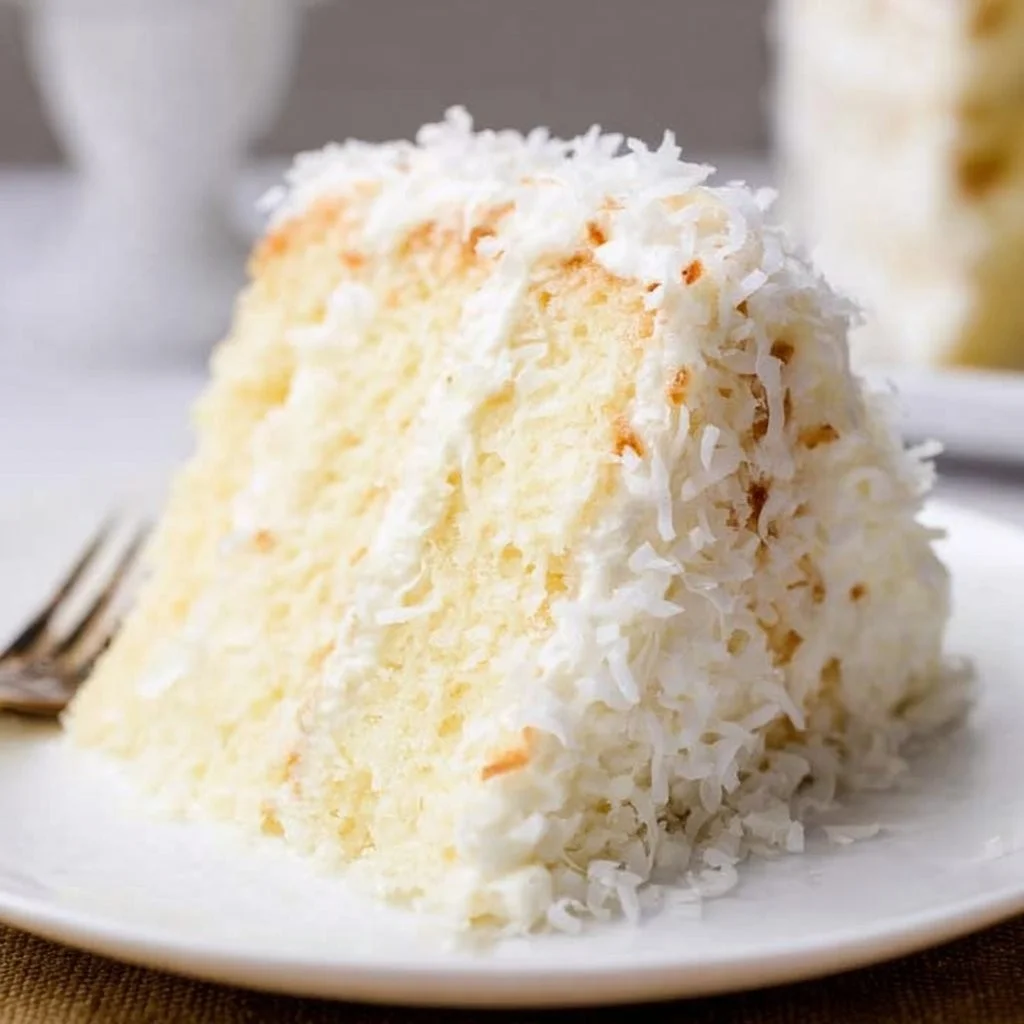
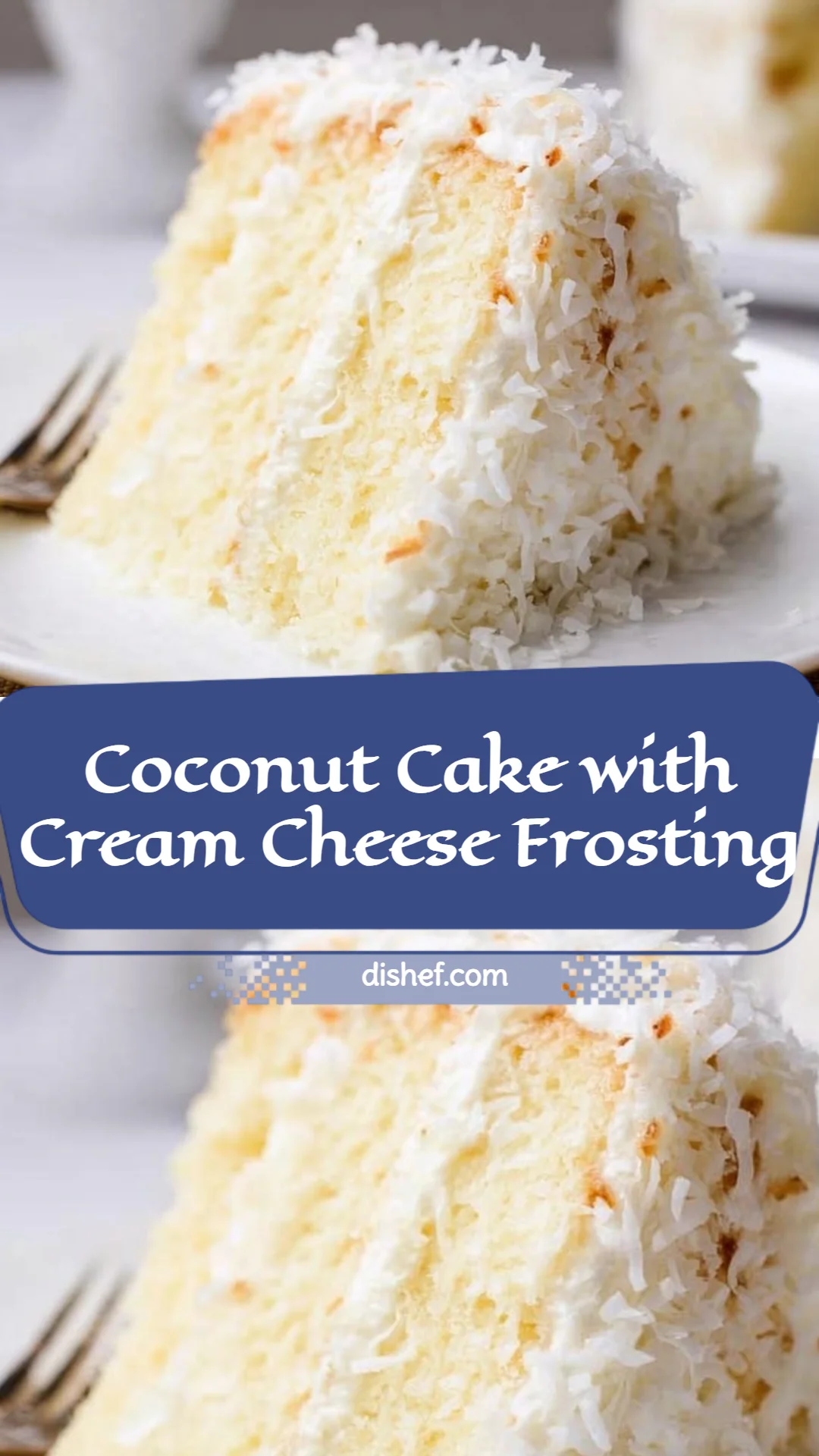
This Coconut Cake with Cream Cheese Frosting is a fluffy, tender cake made with buttermilk and coconut flakes and finished with a tangy cream cheese frosting. The cake relies on staples—flour and sugar—plus buttermilk for moisture and shredded coconut for texture. It’s comforting and a little tropical, great for potlucks, birthdays, or a cozy weekend bake. Home cooks will love that the recipe uses simple mixing techniques and common pantry ingredients, so even beginners can get a beautiful result. Keep reading for step-by-step guidance, troubleshooting tips, and serving ideas to make this cake feel like your signature dessert.
Ingredients You’ll Need for Coconut Cake with Cream Cheese Frosting
Essentials
- 2 cups all-purpose flour — the structure of the cake; spoon and level for accuracy.
- 1 ½ cups granulated sugar — sweetness and tenderness.
- 1 tablespoon baking powder — leavening to keep the cake light.
- ½ teaspoon salt — balances the sweetness.
- 1 cup unsweetened coconut flakes — for texture and coconut flavor inside the batter.
- 1 cup buttermilk — key for moisture and a slight tang.
- ½ cup vegetable oil — adds richness and keeps the cake tender.
- 4 large eggs — binders and lift; room temperature is best.
- 1 teaspoon vanilla extract — warms the flavor.
- 1 cup coconut custard (for filling) — adds a creamy, coconut-forward layer between the cake rounds.
Frosting:
- 8 oz cream cheese, softened — the creamy, tangy base.
- ½ cup butter, softened — adds body and spreadability.
- 4 cups powdered sugar — sweetens and stabilizes the frosting.
- 1 teaspoon vanilla extract — rounds out the frosting.
Optional add-ons
- Toasted coconut flakes — for a nutty, crunchy topping.
- Fresh berries — bright contrast and color.
- Lime or orange zest — a citrus lift that pairs beautifully with coconut.
- Pineapple tidbits — for a tropical twist between layers.
- Chopped macadamia nuts or walnuts — crunch and richness.
- Simple sprinkles — fun for kids’ parties or a festive touch.
Substitutions and shortcuts
- Buttermilk swap: If you don’t have buttermilk, add 1 tablespoon white vinegar or lemon juice to a measuring cup, pour in milk until you reach 1 cup total, stir and let it sit 5 minutes until slightly curdled.
- Oil alternative: You can replace vegetable oil with light olive oil or melted coconut oil if you prefer the flavor, but coconut oil may solidify if your kitchen is cool—melt it and let it cool slightly before mixing.
- Flour: If you’re using a gluten-free blend, pick a 1:1 cup-for-cup all-purpose gluten-free flour that contains xanthan gum; results may vary.
- Coconut flakes: Sweetened coconut will increase sweetness; reduce powdered sugar in the frosting slightly if you use sweetened coconut.
- Shortcut for custard filling: Use a store-bought coconut pastry cream or canned coconut pudding instead of making custard from scratch—just drain any excess liquid first.
- Frosting shortcut: If you’re in a hurry, whip 16 oz of store-bought cream cheese frosting with ½ cup softened butter to mimic a lighter, less-sweet version of the homemade frosting.
- Make-ahead: The cake layers freeze well. Wrap cooled layers tightly in plastic and aluminum foil, then freeze up to 2 months. Thaw overnight in the fridge before filling and frosting.
How to Make Coconut Cake with Cream Cheese Frosting Step-by-Step
I like to break baking into small, friendly steps so it never feels overwhelming. Get your pans, bowls, and measuring tools ready, and let’s go.
Prep and preheat
- Preheat your oven to 350°F (175°C). Grease two 9-inch round cake pans with butter or nonstick spray, then line the bottoms with parchment rounds if you have them. This helps the cakes release cleanly.
- Place a rack in the center of the oven. I find it’s easier to bake both layers at once for even timing.
Mix the dry ingredients
- In a large mixing bowl, whisk together 2 cups all-purpose flour, 1 ½ cups granulated sugar, 1 tablespoon baking powder, and ½ teaspoon salt. Whisking removes lumps and helps the baking powder distribute evenly.
Combine the wet ingredients
- In a separate medium bowl, whisk together 1 cup buttermilk, ½ cup vegetable oil, 4 large eggs, and 1 teaspoon vanilla extract until smooth and glossy. If the eggs are cold, the batter can tighten up; room-temperature eggs blend more easily.
Bring wet and dry together
- Pour the wet mixture into the dry ingredients. Using a spatula or a stand mixer on low speed, mix until the flour is just incorporated. Don’t overmix—overworking the batter makes the cake dense.
Fold in the coconut
- Gently fold in 1 cup unsweetened coconut flakes with a spatula, keeping the motion light so you don’t deflate the batter. Fold just until evenly distributed.
Divide and bake
- Evenly divide the batter between the two prepared 9-inch pans. Smooth the tops with an offset spatula so they bake flat and even.
- Bake for 25–30 minutes at 350°F (175°C). Start checking at 22 minutes: insert a toothpick in the center; it should come out clean or with a few moist crumbs attached, not raw batter.
Cool properly
- Let the cakes rest in the pans for 10 minutes. Run a knife around the edges to loosen them, then turn the cakes out onto a wire rack to cool completely. Cooling completely prevents the frosting from melting into the cake.
Add the coconut custard filling
- Once both layers are completely cool, place one layer on your cake plate and spread 1 cup of coconut custard evenly across the top. If your custard is very runny, chill it until it firms up slightly, or thicken it with a teaspoon of cornstarch dissolved in a little water and warmed briefly on the stove.
Make the cream cheese frosting
- In a large bowl or stand mixer, beat 8 oz softened cream cheese and ½ cup softened butter on medium speed until smooth and creamy, about 2 minutes. Gradually add 4 cups powdered sugar, a cup at a time, mixing on low until it’s incorporated. Scrape the bowl as needed.
- Add 1 teaspoon vanilla extract and bump the mixer to medium-high for 30–45 seconds until the frosting is light and fluffy. If the frosting is too soft, chill for 15–30 minutes.
Frost the cake
- Place the second cake layer on top of the custard-topped layer. Use a crumb coat: spread a thin layer of frosting all over the cake to lock in crumbs, then chill for 15 minutes. Finish with a final thicker layer of frosting, smoothing the top and sides with an offset spatula.
Decorate and finish
- Press toasted coconut flakes around the sides or sprinkle on top, add fresh berries, zests, or chopped nuts if you like. Chill the cake for at least 30 minutes before slicing to let the layers settle.
Serving and storage
- Slice with a sharp knife warmed under hot water and wiped dry for cleaner cuts. Store leftover cake in the refrigerator for up to 4 days because of the cream cheese frosting; bring to room temperature before serving for the best texture.
Tip: If you’re unsure about frosting evenly, place the cake on a rotating cake stand or an upturned mixing bowl to move the cake easily as you spread the frosting.
Common Mistakes to Avoid
Baking a cake can feel like following a little science experiment—small things matter. Below are the top mistakes I see and how to prevent them.
Mistake 1: Overmixing the batter
If you mix the batter too long after adding the flour, gluten develops and the cake becomes dense and chewy instead of light and tender. Mix until just combined—visible streaks of flour should disappear and then stop.
Mistake 2: Frosting a warm cake
Applying cream cheese frosting to a warm cake causes the frosting to slide and melt into the crumb, making a messy finish. Always cool the layers completely; if you’re in a hurry, chill the cakes in the fridge for 20–30 minutes first.
Mistake 3: Using cold cream cheese or butter
Cold cream cheese and butter don’t blend smoothly, leaving lumps in your frosting. Soften both to room temperature, but don’t let them get greasy. If your frosting becomes too soft, briefly chill and rewhip.
Serving Suggestions for Coconut Cake with Cream Cheese Frosting
This cake is versatile and pairs well with bright, fresh flavors. A little contrast in texture or acidity makes each bite more interesting.
Pairing with fruit
- Fresh berries add a tart contrast to the sweet coconut and rich cream cheese, and they make the cake look gorgeous on the table.
Warm drinks or punch
- Serve slices with hot tea, coffee, or a chilled tropical punch; the warmth balances the richness of the frosting and highlights the coconut.
Occasion styling
- For parties, top with toasted coconut and scatter macadamia nuts for a slightly upscale look. For kids, use colorful sprinkles and a few pineapple tidbits for a fun twist.
(If you want a delicate tea-time cake idea, I also enjoy the light floral notes in the delicate Earl Grey tea cake with lavender buttercream as a contrast to this tropical classic.)
Conclusion
I promise this Coconut Cake with Cream Cheese Frosting is easier than it looks—simple mixing, straightforward ingredients, and forgiving steps make it a go-to when I want something cozy and a little special. It’s incredibly customizable; swap in pineapple, zest, or toasted coconut for different flavor profiles, or make smaller cupcakes with the same batter. If you enjoy tips for quick coconut frostings, I like to reference Snixy Kitchen’s 5-Minute Coconut Cream Cheese Frosting for a quick, silky topping option. Try the recipe this weekend and tell me which add-ons you chose—I’d love to hear how yours turned out.
FAQs About Coconut Cake with Cream Cheese Frosting
Q1: How long does Coconut Cake with Cream Cheese Frosting keep in the fridge?
A1: Coconut Cake with Cream Cheese Frosting will keep well in the refrigerator for up to 4 days. Store it in an airtight cake carrier or loosely cover with plastic wrap to protect it from absorbing other fridge flavors. Bring slices to room temperature before serving for the best flavor.
Q2: Can I freeze Coconut Cake with Cream Cheese Frosting?
A2: Yes, you can freeze Coconut Cake with Cream Cheese Frosting, but for best results freeze the unfrosted layers wrapped tightly first. Freeze layers up to 2 months, thaw overnight in the fridge, then fill and frost. If you freeze a fully frosted cake, wrap it well and thaw in the fridge to minimize condensation on the frosting.
Q3: Is Coconut Cake with Cream Cheese Frosting suitable for parties and transport?
A3: Absolutely. Coconut Cake with Cream Cheese Frosting travels well if chilled and secured in a cake box. For long transport times, keep it cool in an insulated carrier or a cooler with ice packs to protect the cream cheese frosting from softening.
Q4: Can I make Coconut Cake with Cream Cheese Frosting dairy-free?
A4: You can adapt Coconut Cake with Cream Cheese Frosting to be dairy-free by using dairy-free butter and a vegan cream cheese substitute for the frosting and a plant-based milk soured with vinegar as a buttermilk substitute. Texture and flavor will vary slightly, but it’s a doable swap.
Q5: What’s the best way to get a smooth finish on Coconut Cake with Cream Cheese Frosting?
A5: The best way to get a smooth finish on Coconut Cake with Cream Cheese Frosting is to crumb-coat the cake first (a thin layer of frosting to lock in crumbs), chill for 15–30 minutes, then apply the final layer of frosting with an offset spatula. Use long, steady strokes and rotate the cake if you have a turntable. Chill briefly if the frosting becomes too soft while working.
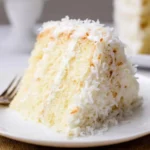
Coconut Cake with Cream Cheese Frosting
- Total Time: 1 hour
- Yield: 12 servings 1x
- Diet: Vegetarian
Description
A fluffy, tender coconut cake layered with a tangy cream cheese frosting, perfect for potlucks and celebrations.
Ingredients
- 2 cups all-purpose flour
- 1 ½ cups granulated sugar
- 1 tablespoon baking powder
- ½ teaspoon salt
- 1 cup unsweetened coconut flakes
- 1 cup buttermilk
- ½ cup vegetable oil
- 4 large eggs
- 1 teaspoon vanilla extract
- 1 cup coconut custard (for filling)
- 8 oz cream cheese, softened
- ½ cup butter, softened
- 4 cups powdered sugar
- 1 teaspoon vanilla extract (for frosting)
- Toasted coconut flakes (optional)
- Fresh berries (optional)
- Lime or orange zest (optional)
- Pineapple tidbits (optional)
- Chopped macadamia nuts or walnuts (optional)
- Simple sprinkles (optional)
Instructions
- Preheat your oven to 350°F (175°C) and prepare your cake pans.
- Whisk together flour, sugar, baking powder, and salt in a large bowl.
- Combine buttermilk, oil, eggs, and vanilla in a separate bowl.
- Pour the wet ingredients into the dry ingredients and mix until just combined.
- Fold in the coconut flakes gently.
- Divide the batter between the prepared cake pans.
- Bake for 25–30 minutes, checking for doneness with a toothpick.
- Cool in the pans for 10 minutes, then turn out onto a wire rack.
- Add coconut custard to the first cake layer once cool.
- Beat cream cheese and butter, then gradually add powdered sugar and mix until fluffy for the frosting.
- Frost the cake layers, using a crumb coat before the final frost, and decorate as desired.
- Chill the cake for at least 30 minutes before slicing.
Notes
If frosting a warm cake, chill it first to prevent melting. For best results, ensure butter and cream cheese are at room temperature.
- Prep Time: 30 minutes
- Cook Time: 30 minutes
- Category: Dessert
- Method: Baking
- Cuisine: American
Nutrition
- Serving Size: 1 slice
- Calories: 450
- Sugar: 32g
- Sodium: 300mg
- Fat: 18g
- Saturated Fat: 10g
- Unsaturated Fat: 6g
- Trans Fat: 0g
- Carbohydrates: 63g
- Fiber: 2g
- Protein: 5g
- Cholesterol: 75mg
Keywords: coconut cake, cream cheese frosting, dessert, baking, tropical cake