Last updated on February 19, 2026
A Cozy Note
Do you ever come home craving something warm and comforting—something that smells like a hug from the oven? I remember burning my first attempt at a dinner like this and laughing so hard I almost ruined the garlic; I learned quickly that roasting is forgiving if you don’t overthink it. If you’re a beginner who worries about timing or chopping, this recipe is a friendly place to start: simple, flexible, and nearly foolproof. If you want a soup siblings of this dish, I sometimes pair it with a creamy roasted veggie soup recipe for an extra cozy night in.
A Quick Look at This Creamy Roasted Veggie Pasta Recipe
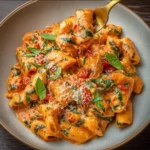
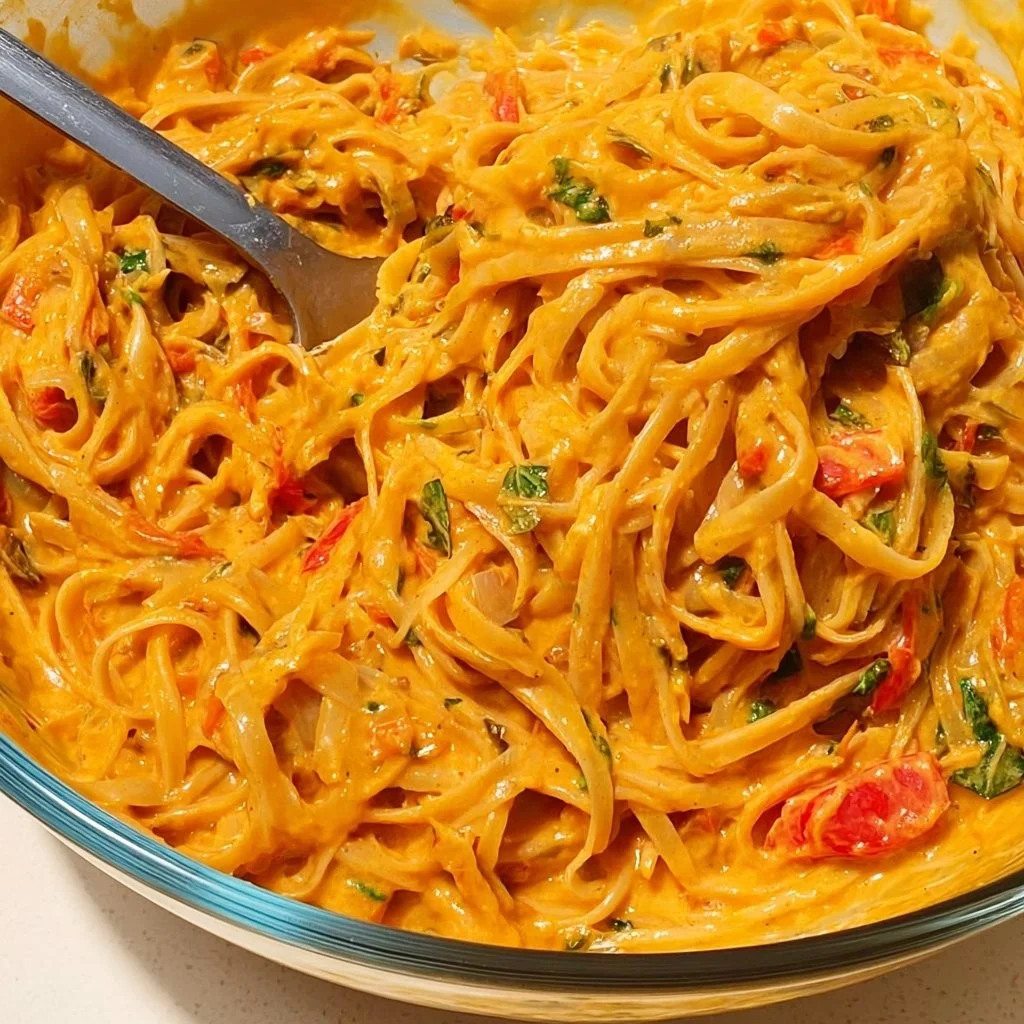
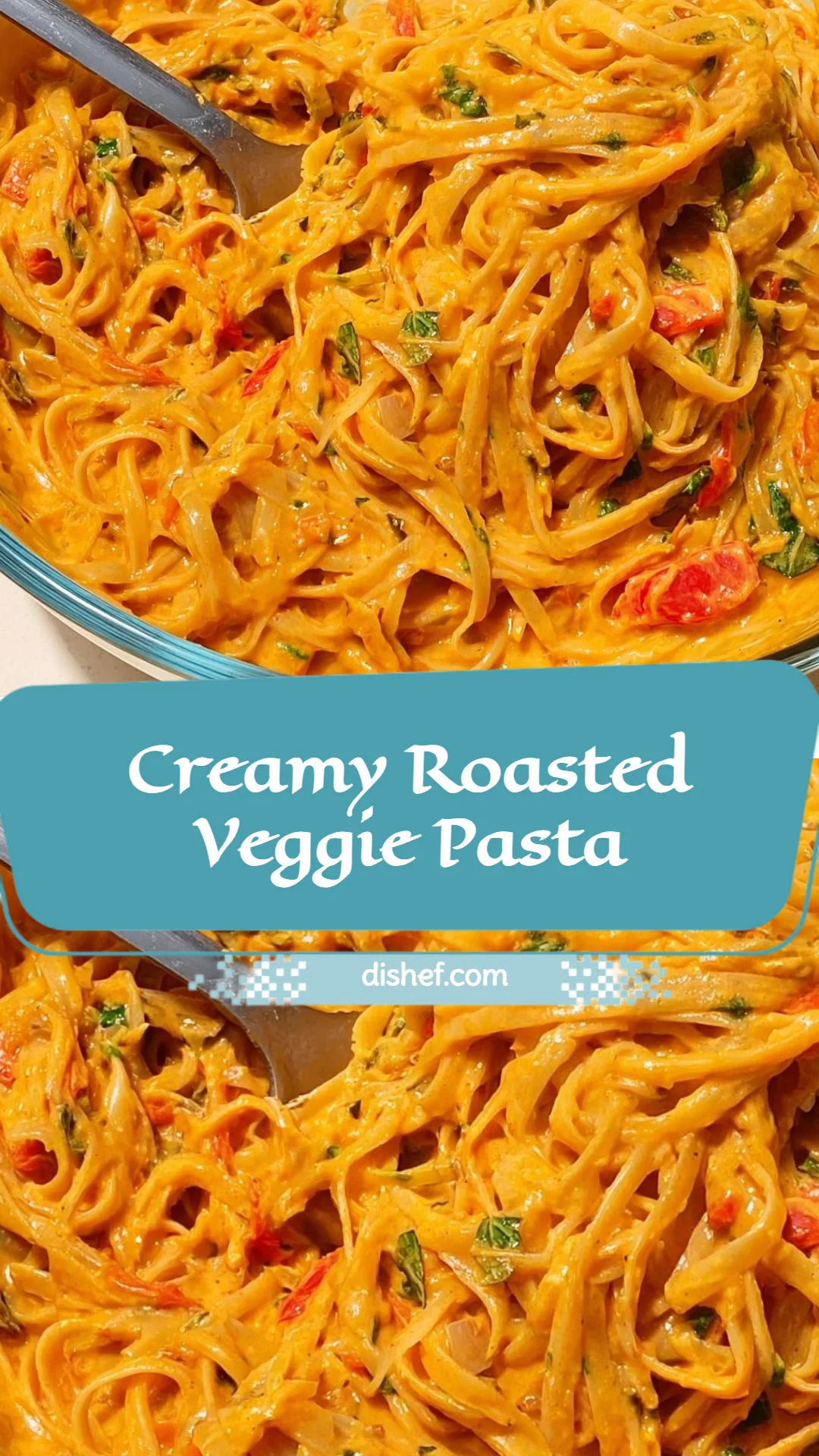
Creamy Roasted Veggie Pasta combines roasted bell peppers, zucchini, and broccoli with a luscious coconut or cashew cream sauce and your favorite pasta. The main ingredients are roasted veggies and a dairy-free cream, which gives it both texture and richness. It’s hearty and nutrient-rich, making it a great weeknight dinner that sneaks in vegetables without fuss. Beginners will appreciate the clear roast-then-toss method—no fancy techniques required. Keep reading to see how a few pantry staples transform into a comforting, wholesome bowl.
Ingredients You’ll Need for Creamy Roasted Veggie Pasta
Essentials
- Pasta of choice (whole-wheat, chickpea, lentil, or a blend): I usually use whole-wheat for chew and fiber, but chickpea or lentil pasta boosts protein. Choose shapes that hold sauce well—penne, fusilli, or rigatoni work great.
- Olive oil: For roasting and finishing. Use extra-virgin if you like the flavor.
- Bell peppers: Any color—red or yellow are sweeter, green is more grassy. Aim for 1–2 peppers.
- Zucchini: One medium or two small; they roast quickly and add pleasant moisture.
- Broccoli: One small head, cut into florets. Roasted broccoli gives a nice caramelized bite.
- Garlic (minced): 2–3 cloves. Roasted garlic gets mellow and sweet; raw garlic gives a bright note if added later.
- Vegetable broth (low-sodium if possible): About 1/2 to 3/4 cup to thin the sauce as needed.
- Coconut cream or cashew cream: 3/4 to 1 cup. Coconut cream is richer and slightly sweet; cashew cream is neutral and silky.
- Salt and pepper: Taste as you go.
- Fresh basil or parsley (for garnish): A handful of torn leaves brightens the whole dish.
- Optional finishing: Vegan parmesan or extra nutritional yeast for a cheesy boost.
Optional add-ons
- Nutritional yeast: 1–2 tablespoons if you want a cheesy, savory depth.
- Lemon zest or juice: A squeeze of lemon juice or a little zest cuts through the creaminess beautifully.
- Red pepper flakes or smoked paprika: For gentle heat or a smoky touch—use to taste.
- Sunflower seeds or toasted pine nuts: Add crunch and extra nuttiness.
- Sliced olives or artichoke hearts: For a Mediterranean twist.
- Cooked white beans, chickpeas, or edamame: Add extra protein—1 cup stirred in at the end is perfect.
- Baby spinach or arugula: Stir in a couple of handfuls until just wilted for a leafier bite.
Substitutions and shortcuts
- Pasta swaps: If you’re short on time, use quick-cooking small pasta like orzo or small shells. Gluten-free blends work similarly—just watch cooking times.
- Cream options: No cashews or coconut cream? Blend silken tofu with a splash of water and nutritional yeast for a neutral creamy base. Canned coconut milk (chilled so the cream separates) works in a pinch—use the cream from the top.
- Veggie shortcuts: Buy pre-chopped frozen roasted vegetables or a roasted veggie mix from the grocery store to save prep time—add them to the pan straight from the bag if they’re thawed.
- One-pan method: If you want fewer dishes, roast veggies directly on the same rimmed sheet you’ll use for everything and transfer to the skillet for saucing. Or toss everything in an ovenproof skillet and finish under the broiler for a minute.
- Broth alternatives: Water plus a splash of soy sauce or tamari will do if you’re out of vegetable broth, but use sparingly to avoid over-salting.
- Nut-free cream: Use oat cream or blended sunflower seeds if tree nuts or coconuts are an issue.
How to Make Creamy Roasted Veggie Pasta Step-by-Step
I like to think of this recipe in two main stages—roasting the vegetables to build flavor, then bringing everything together in a silky sauce. Read through once, then cook as you go.
Step 1: Preheat and prep vegetables
Preheat your oven to 400°F (200°C). While the oven warms, wash and dry your vegetables. Chop the bell peppers into 1-inch pieces, slice the zucchini into half-moons or thick coins, and cut the broccoli into small to medium florets so everything cooks evenly. Place them in a large bowl for tossing.
Tip: Keeping pieces roughly the same size prevents some bits from burning while others remain undercooked. If you like extra caramelization, leave a few larger pieces—those get nicely sweet.
Step 2: Toss vegetables with oil and seasonings
Add 2–3 tablespoons of olive oil to the bowl with your chopped vegetables. Sprinkle in the minced garlic (2–3 cloves), a generous pinch of salt, and a few grinds of black pepper. Toss everything well so the oil and garlic coat the veggies evenly. If you’re using red pepper flakes or smoked paprika, add them now for a base layer of spice.
Tip: Tossing by hand gives you better coverage. If you prefer less garlic flavor that can brown in the oven, toss the garlic with the pasta later instead.
Step 3: Roast until tender and slightly caramelized
Spread the veggies in a single layer on a rimmed baking sheet. Overcrowding the pan steams vegetables instead of roasting them; use two sheets if needed. Roast in the preheated oven for 18–22 minutes, stirring halfway through so all sides get a turn. You want tender pieces with a few browned edges.
Tip: If you like deeper roasted flavor, broil for the last 1–2 minutes while watching carefully—those last 60 seconds can go from caramelized to char in a blink.
Step 4: Cook the pasta while the veggies roast
While the vegetables are roasting, bring a large pot of salted water to a boil and cook your pasta according to package directions until al dente—slightly firm to the bite. Reserve 1/2 cup of the pasta cooking water before draining; this starchy water can help loosen the sauce later if needed. Drain the pasta and set aside.
Tip: Cook pasta a minute less than package instructions if you expect it to finish cooking slightly in the sauce; this keeps everything pleasantly toothsome.
Step 5: Build the creamy sauce and combine
Heat a large skillet over medium heat and add a tablespoon of olive oil. Once warm, add the roasted vegetables and toss to warm through. Pour in 1/2 cup vegetable broth to deglaze the pan and loosen any browned bits. Stir in 3/4 to 1 cup of coconut cream or cashew cream, reducing heat to low. Let the sauce come to a gentle simmer and cook for 2–4 minutes so the flavors marry and the sauce thickens slightly.
Add the cooked pasta to the skillet and toss to coat. If the sauce feels too thick, add reserved pasta water a tablespoon at a time or a splash more vegetable broth until you reach the consistency you like. Taste and adjust salt, pepper, and acidity (a squeeze of lemon or a grating of lemon zest helps brighten a rich sauce).
Tip: If you’d like a silkier sauce, scoop a small cup of the roasted vegetables and cream into a blender, pulse until smooth, and return to the skillet—this creates a velvety base without losing all the roasted texture.
Step 6: Finish and serve
Turn off the heat and stir in fresh basil or parsley. If you’re using greens like baby spinach or arugula, stir them in now so they wilt gently from residual warmth. Sprinkle nutritional yeast or vegan parmesan if you want a cheesy note. Add toasted pine nuts or sunflower seeds for crunch. Serve immediately with extra herbs and a final drizzle of olive oil or a squeeze of lemon.
Tip: Keep a jar of toasted seeds or nuts on hand—crumbly textures elevate the cozy feeling of a homemade bowl.
Common Mistakes to Avoid
Roasting and saucing are forgiving, but a few habits can derail the final bowl. Start here so your first—or fifteenth—time turns out well.
Roasting is forgiving, but timing, crowding the pan, and seasoning can make or break the texture and flavor of your roasted vegetables.
Mistake 1: Overcrowding the baking sheet
Putting too many vegetables on one tray traps steam and prevents browning. Instead, spread them in a single layer and use a second sheet if needed. Browning adds sweet, savory depth that you’ll miss if everything is steamed.
Mistake 2: Undercooking or overcooking pasta
Pasta left too firm will feel raw; pasta cooked too soft will turn mushy once it sits in sauce. Aim for al dente, and remember the pasta will absorb some sauce—if you like a slightly firmer bite, take it off the stove a minute early.
Mistake 3: Adding all the cream at once or boiling it hard
If you simmer cream over high heat it can separate or taste flat. Add the cream on medium-low, and simmer gently to marry flavors. If the sauce gets too thick, loosen it gradually with pasta water or broth—too much at once can thin the sauce excessively.
Serving Suggestions for Creamy Roasted Veggie Pasta
This dish is a meal on its own, but a few small additions make it feel like a restaurant-style dinner at home.
Simple sides and finishing touches can turn a humble pasta into a full, cozy spread.
Light green salad with lemon vinaigrette
A crisp salad of mixed greens with a bright lemon vinaigrette balances the richness of the pasta. I toss arugula with lemon juice, olive oil, salt, and a touch of maple syrup for a sweet-then-sour contrast.
Garlic toast or crusty bread
Warm, crunchy bread is perfect for mopping up the creamy sauce. Rub toasted slices with a cut clove of raw garlic and drizzle with olive oil for extra flavor.
Roast a handful of extra veggies or warm beans
If you’d like more texture, roast a tray of cherry tomatoes or asparagus to serve alongside, or heat a small pot of seasoned white beans as an extra protein option. I sometimes stir those beans right into the pasta for a heartier bowl.
Conclusion
I hope this cozy, fuss-free Creamy Roasted Veggie Pasta becomes one of your go-to weeknight meals—it’s easier than it looks, endlessly customizable, and comforting in the best way. If you enjoy exploring similar vegetable-forward recipes, I find inspiration in a variety of plant-based takes, and you might also like checking out Creamy Roasted Vegetable Pasta – PlantYou for another flavorful perspective. Give the recipe a try and tell me how you roasted your veggies—I’d love to hear which additions became your new favorites.
FAQs About Creamy Roasted Veggie Pasta
Q1: Can I make Creamy Roasted Veggie Pasta ahead of time?
A1: Yes. I often roast the vegetables and cook the pasta separately, then store them in the fridge for up to 3 days. Reheat gently in a skillet with a splash of vegetable broth to loosen the sauce and prevent it from becoming gummy. Add fresh herbs at the end for brightness.
Q2: Is Creamy Roasted Veggie Pasta suitable for meal prep?
A2: Absolutely. Portion pasta and roasted vegetables into airtight containers, and keep the cream separate if possible (especially if using coconut cream). When reheating, combine them in a skillet and add a little reserved pasta water or broth to refresh the sauce. This way the textures hold up better through the week.
Q3: How can I make Creamy Roasted Veggie Pasta higher in protein?
A3: Stir in cooked chickpeas, white beans, edamame, or use a legume-based pasta (chickpea or lentil). I like adding a cup of drained chickpeas straight into the skillet when I add the cream—protein without fuss, and it keeps the dish plant-forward.
Q4: Can I freeze Creamy Roasted Veggie Pasta?
A4: I don’t generally recommend freezing fully dressed creamy pasta; cream-based sauces can separate when frozen and reheated. You can freeze the roasted vegetables and cooked pasta separately for up to 2 months, then gently reheat and combine with fresh cream. Alternatively, freeze the vegetables and make the creamy sauce fresh when you’re ready.
Q5: How do I adapt Creamy Roasted Veggie Pasta for picky eaters?
A5: Keep the vegetables simple and familiar—roasted bell peppers and zucchini have mild, pleasing flavors. Use a neutral cream like cashew to avoid coconut flavor if someone dislikes it. Offer mix-ins like toasted nuts or olives on the side so people can customize their bowls without altering the whole pot. And remember: tossing some grated vegan parmesan or extra nutritional yeast often wins approval at the table.
Creamy Roasted Veggie Pasta
- Total Time: 45 minutes
- Yield: 4 servings 1x
- Diet: Vegetarian
Description
A comforting and hearty pasta dish featuring roasted bell peppers, zucchini, and broccoli tossed in a luscious dairy-free cream sauce.
Ingredients
- Pasta of choice (whole-wheat, chickpea, lentil, or a blend)
- 2–3 tablespoons olive oil
- 1–2 bell peppers (any color)
- 1 medium zucchini or 2 small
- 1 small head broccoli (cut into florets)
- 2–3 cloves garlic (minced)
- 1/2 to 3/4 cup vegetable broth (low-sodium)
- 3/4 to 1 cup coconut cream or cashew cream
- Salt and pepper (to taste)
- Fresh basil or parsley (for garnish)
- 1–2 tablespoons nutritional yeast (optional)
- Lemon zest or juice (optional)
- Red pepper flakes or smoked paprika (to taste)
- 1 cup cooked white beans, chickpeas, or edamame (optional)
- Baby spinach or arugula (optional)
Instructions
- Preheat your oven to 400°F (200°C). Chop the bell peppers, zucchini, and broccoli into even pieces.
- Toss the chopped vegetables with olive oil, minced garlic, salt, and pepper in a large bowl.
- Spread the veggies on a baking sheet and roast for 18–22 minutes, stirring halfway through.
- While the vegetables roast, cook your pasta according to package directions in salted water.
- In a skillet, add a tablespoon of olive oil and warm up the roasted vegetables. Pour in the vegetable broth and stir in the coconut or cashew cream, simmering for 2–4 minutes.
- Add the cooked pasta to the skillet and toss to combine, adjusting with reserved pasta water if needed. Stir in fresh herbs before serving.
Notes
Feel free to customize the recipe by adding your favorite vegetables or protein sources. This dish pairs well with a light salad or garlic bread.
- Prep Time: 15 minutes
- Cook Time: 30 minutes
- Category: Main Course
- Method: Baking
- Cuisine: Italian
Nutrition
- Serving Size: 1 serving
- Calories: 350
- Sugar: 5g
- Sodium: 400mg
- Fat: 12g
- Saturated Fat: 4g
- Unsaturated Fat: 6g
- Trans Fat: 0g
- Carbohydrates: 45g
- Fiber: 3g
- Protein: 15g
- Cholesterol: 0mg
Keywords: creamy pasta, roasted vegetables, vegetarian, comfort food, weeknight dinner