Last updated on March 3, 2026
Have you ever come home craving something warm, savory, and a little like a hug in a bowl? I have—many evenings—when the smell of garlic and sesame feels like the perfect welcome. If you’re nervous about slicing meat thinly or worried a marinade will be complicated, I get it. As a home cook I’ve had my share of overcooked steak and under-seasoned rice, but this Korean BBQ Beef Rice Stack is forgiving and easy. If you enjoy layered rice bowls, you might also like this honey lime chicken avocado rice stack for another simple weeknight idea.
A Quick Look at This Korean BBQ Beef Rice Stack Recipe
This Korean BBQ Beef Rice Stack centers on thinly sliced beef (sirloin or ribeye) marinated in a simple mix of soy sauce, brown sugar, sesame oil, garlic, ginger, and rice vinegar. The result is sweet, savory, and slightly tangy beef served over steaming rice. It’s quick to make, comforting to eat, and perfect for busy weeknights when you want a restaurant-style bite at home. Great for beginners because the steps are short and forgiving, and the flavors are bold without being complicated. Keep reading to learn my little tricks for perfect slices, quick rice, and easy plating.
Ingredients You’ll Need for Korean BBQ Beef Rice Stack
Essentials
- 1 lb beef sirloin or ribeye, thinly sliced — I prefer ribeye for extra juiciness, sirloin for leaner bites.
- 1/4 cup soy sauce — use low-sodium if you want to control salt.
- 2 tbsp brown sugar — gives that caramelized sweetness.
- 2 tbsp sesame oil — toasted sesame oil adds nutty depth.
- 3 cloves garlic, minced — fresh is best for aroma.
- 1 tsp grated ginger — adds brightness and mild heat.
- 1 tbsp rice vinegar — balances the sweetness.
- Rice for serving — short-grain or jasmine rice works well; cook it so it’s hot and slightly sticky.
- Green onions or sesame seeds for topping — simple and classic finishers.
Optional add-ons
- Julienned carrots or cucumber for crunch.
- Quick kimchi or a few spoonfuls from a jar for tang and heat.
- A fried egg or soft-boiled egg for richness.
- Spinach or baby kale, lightly sautéed, for greens.
- Gochujang or chili flakes if you want a spicy kick.
Substitutions and shortcuts
- Soy sauce: Tamari works as a gluten-free substitute. Coconut aminos are an option, but the flavor will be milder.
- Brown sugar: Use honey or maple syrup (about 1–1¼ tbsp) if you prefer a natural sweetener; reduce a touch of rice vinegar to keep balance.
- Sesame oil: If you don’t have toasted sesame oil, a neutral oil combined with ½ tsp of sesame seeds will add a hint of nutty flavor.
- Garlic/ginger: Use ½ tsp garlic powder and ¼ tsp ground ginger in a pinch—fresh is better but these work.
- Thinly sliced beef: If you can’t get thin slices, buy a thicker steak and freeze it for 30–60 minutes, then slice thinly across the grain with a sharp knife. That shortcut makes slicing at home much easier.
- Rice shortcut: Use microwaveable pre-cooked rice packets when you’re short on time; warm them per package instructions.
If you want more starch-forward comfort, I sometimes layer this beef over a hearty mash—think of that comforting appeal in my favorite beef stew with potato topping recipe for inspiration.
How to Make Korean BBQ Beef Rice Stack Step-by-Step
Below I’ll walk you through each step like I’m cooking in the next room—calm, friendly, and with a few small tricks I’ve learned.
Prepare the beef
- If your beef isn’t already thinly sliced, place it in the freezer for 30–45 minutes until slightly firm but not frozen solid. This makes it much easier to slice thinly.
- Slice the beef against the grain into 1/8–1/4-inch strips. Against the grain keeps the bites tender. If you’re using ribeye, trim any very large fat pockets so they render down nicely while cooking.
Make the marinade
- In a medium bowl combine 1/4 cup soy sauce, 2 tbsp brown sugar, 2 tbsp sesame oil, 3 cloves minced garlic, 1 tsp grated ginger, and 1 tbsp rice vinegar.
- Stir until the brown sugar mostly dissolves. Taste the mix: it should be balanced—salty and sweet with a tang from the vinegar. If it’s too sharp, add a small pinch more sugar; if too sweet, add another 1/2 tsp rice vinegar.
Marinate the beef
- Add the sliced beef to the bowl and toss gently to coat every piece. Use your hands or tongs to ensure even coverage.
- Let it marinate for 30 minutes at room temperature or up to 2 hours in the fridge. For a very quick weeknight, 15–30 minutes will still add nice flavor. I don’t recommend marinating overnight for thin slices; they can become too soft.
Cook the rice
- While the beef is marinating, cook rice. For best results use a 1:1.1 to 1:1.25 ratio (rice:water) for short-grain rice on the stove or your rice cooker’s recommended ratio.
- Once cooked, keep it covered and let the steam finish it. Fluff with a fork just before serving.
Heat the pan or grill
- Use a heavy skillet (cast-iron is ideal) or a hot grill. Preheat over medium-high heat until very hot—this ensures a good sear and quick cooking.
- If using a pan, add a small drizzle of neutral oil (like canola or vegetable) to prevent sticking. The sesame oil mixed into the marinade will add flavor, but it smokes with high heat, so avoid adding extra toasted sesame straight to the pan.
Cook the beef
- Shake off excess marinade—too much liquid will steam the meat instead of searing it.
- Add the beef in a single layer, working in batches so the pan doesn’t crowd. Cook thin slices for 2–4 minutes, stirring or flipping once. You’re looking for nice browning and cooked-through strips; with thin slices they go fast.
- If you want caramelized bits, press the meat gently into the pan for the first 30 seconds before stirring. Those little browned edges are flavor gold.
- If you’ve reserved any marinade, you can simmer it briefly in the pan after removing the beef to thicken into a quick glaze (bring to a boil for 1–2 minutes), but don’t pour raw marinade over the finished meat without cooking it.
Rest briefly and assemble
- Let the beef rest 1–2 minutes once off the heat—this helps the juices settle.
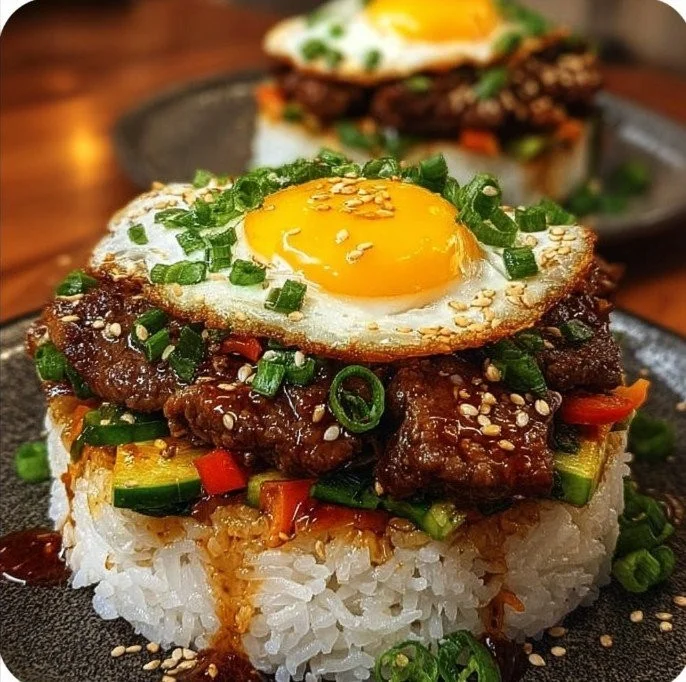
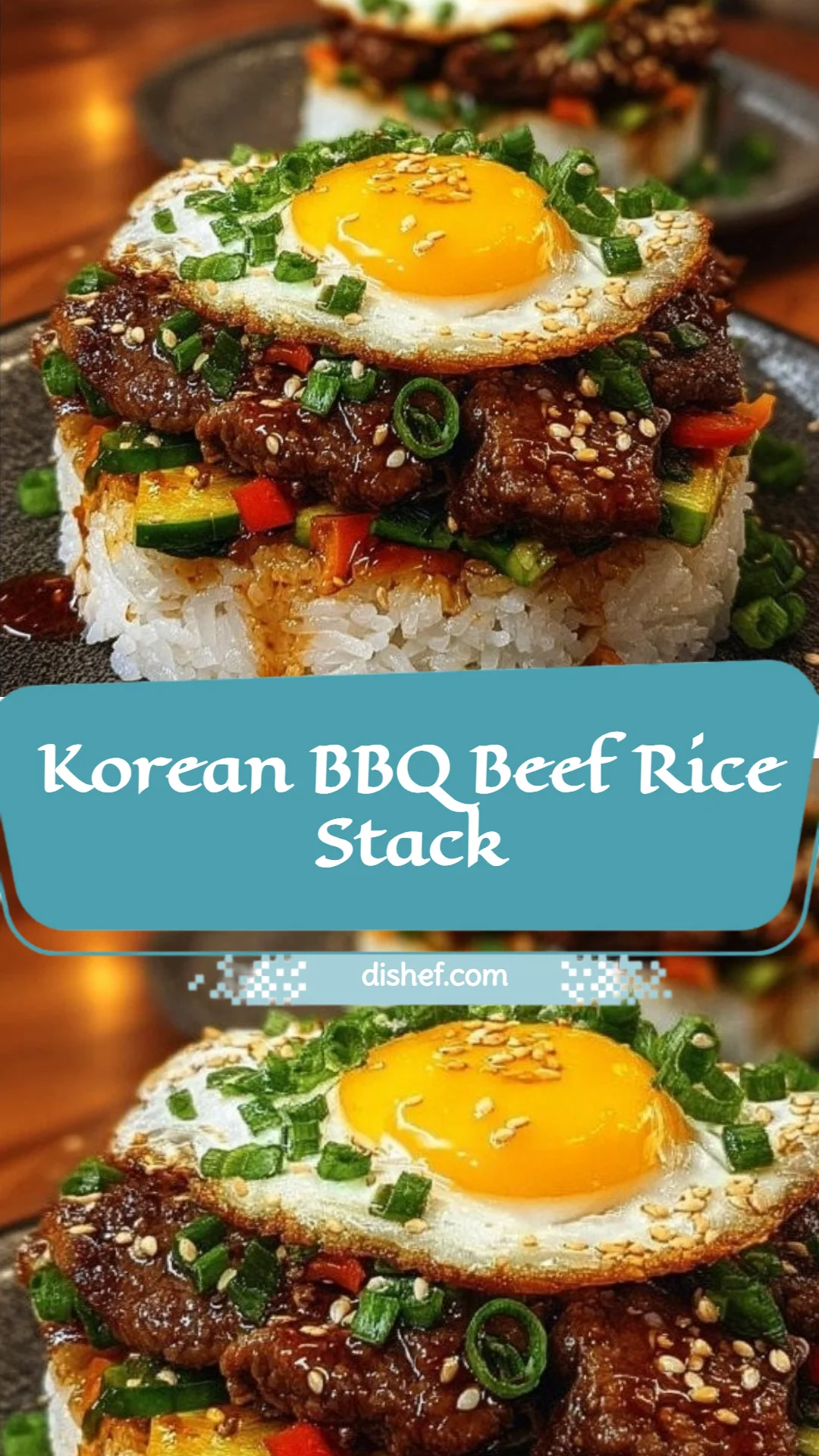
- Spoon a generous bed of hot rice into bowls or on plates. Stack the beef neatly on top in a single layer, or pile it for a heartier look.
- Sprinkle sliced green onions and toasted sesame seeds. Add any optional toppings like a fried egg, quick kimchi, or crunchy cucumber ribbons.
Serve and enjoy
- Serve immediately while the rice and beef are hot. Offer extra soy sauce, chili paste, or more sesame seeds at the table.
- If you made extra beef, it keeps well in the fridge for up to 3 days and reheats quickly in a skillet over medium heat.
Cooking tips I use every time: keep heat high enough for searing, don’t overcrowd the pan, and taste before you add any finishing salt—soy sauce often provides enough sodium.
Common Mistakes to Avoid
Even simple recipes trip people up sometimes. I’ve burned one-too-many batches or steamed beef instead of searing it, so here are the mistakes I see most and how to avoid them.
Mistake 1: Crowding the pan
When you add too much beef at once the pan temperature drops and the meat steams instead of browns. Work in small batches. A hot pan gives you the caramelized edges that carry most of the flavor.
Mistake 2: Over-marinating thin slices
Thinly sliced beef soaks up flavors quickly. Marinating more than a few hours can make the texture mushy. Stick to 30 minutes to 2 hours depending on how thin your slices are.
Mistake 3: Skipping the resting step
Cutting or serving immediately after cooking can make juices run out and leave the meat dryer. Let the beef rest a minute or two—just enough time to carry the rice to the table—so the juices redistribute.
Serving Suggestions for Korean BBQ Beef Rice Stack
This dish is cozy and versatile. It’s a great base you can dress up or keep simple depending on time and what’s in your fridge.
Simple weeknight stack
Serve the beef over plain steamed rice with green onions and sesame seeds. Add a fried egg for richness and a few cucumber slices for crunch. This is my go-to when I want comfort without fuss.
Make it a spread
Set out small bowls of quick kimchi, pickled radishes, gochujang, and shredded carrots so everyone can customize their stack. It turns a single-bowl dinner into a fun family-style meal.
Turn it into a balanced plate
Add a side of sautéed greens (spinach or bok choy) and a light cucumber salad with rice vinegar and sesame seeds. The acidity and greens balance the savory-sweet beef beautifully.
Conclusion
I hope this recipe becomes a cozy staple for your weeknights—it’s easier than it looks, fully customizable, and forgiving for beginners. If you want another version that leans into tenderloin and slightly different seasoning, I found a nice variation at Korean BBQ Beef Tenderloin Rice Stack – Simply Happenings that you might enjoy exploring for inspiration. Try the basic version once, and you’ll see how small swaps—an egg, some quick pickles, or a sprinkle of chili—can make it feel new again. If you cook it tonight, come back and tell me how you topped yours.
FAQs About Korean BBQ Beef Rice Stack
Q1: How long does the Korean BBQ Beef Rice Stack take to make from start to finish?
A1: From start to finish—including a 30-minute marinade and rice cooking—you can expect about 50–60 minutes. If you use quick-cook rice or pre-cooked rice, that shortens the time to around 25–30 minutes.
Q2: Can I prepare the Korean BBQ Beef Rice Stack ahead of time?
A2: Yes. You can marinate the beef up to 2 hours ahead and keep it chilled. Cooked beef and rice store in the fridge for up to 3 days. Reheat gently in a skillet over medium heat so the beef stays juicy.
Q3: Is the Korean BBQ Beef Rice Stack spicy?
A3: The base recipe isn’t spicy—it’s savory, sweet, and slightly tangy. You can add heat with gochujang, chili flakes, or sliced chilies if you want a kick.
Q4: What cut of beef is best for the Korean BBQ Beef Rice Stack?
A4: Sirloin and ribeye are both great. Ribeye is richer and more tender because of the marbling; sirloin is leaner but still flavorful. Slice thinly against the grain for the best texture.
Q5: Can I make the Korean BBQ Beef Rice Stack gluten-free?
A5: Yes. Substitute tamari for soy sauce or use a certified gluten-free soy sauce. Check any optional toppings (like store-bought kimchi) for gluten-containing additives.