Last updated on April 7, 2026
A Lemon-Scented Welcome
Do you ever get a sudden craving for something bright and floral—like lemony sweetness with a whisper of lavender—and wish you could pull a batch from the oven before the craving fades? I still laugh at the first time I tried to zest a lemon and accidentally rubbed half of it into my eye; baking can be full of little beginner moments, but that’s part of the fun. If you’re nervous about working with zest, steeping herbs, or glazing tiny cakes, don’t worry—I promise this Mini Lemon Cakes With Lavender Glaze recipe is gentle, forgiving, and perfectly doable for a first timer. If you enjoy floral baking, you might also like this delicate Earl Grey tea cake with lavender buttercream, which plays in a similar flavor playground.
A Quick Look at This Mini Lemon Cakes With Lavender Glaze Recipe
This recipe highlights bright lemon (zest and a tender batter) and a delicate lavender-infused glaze. It’s comforting and light—a great treat to lift an ordinary afternoon or to serve at a small gathering. The cakes bake quickly in mini pans, so they’re convenient and perfect for portion control. Great for home cooks and beginners because the steps are straightforward and the batter is forgiving. Keep reading to learn how to make these little lemony delights, and why the lavender glaze is worth the extra minute it takes to steep.
Ingredients You’ll Need for Mini Lemon Cakes With Lavender Glaze
Essentials
- 1 1/3 cups all-purpose flour — the structure of the cakes; measure accurately by spooning into the cup and leveling.
- 1/2 tsp kosher salt — balances sweetness and lifts flavors.
- 1/8 tsp baking soda — a small amount helps with tenderness.
- 1/2 cup unsalted butter, softened — for richness and a tender crumb; room temperature is important for creaming.
- 2/3 cup granulated sugar — primary sweetener and helps aerate the batter when creamed with butter.
- 1/3 cup packed light brown sugar — adds a gentle caramel note and extra moisture.
- 1 Tbsp grated lemon zest — the heart of the lemon flavor; use a microplane for the best aroma.
- 2 large eggs, at room temperature — provide structure and richness.
- 1/4 cup sour cream, at room temperature — keeps the cakes tender and slightly tangy.
- 1/4 cup whole milk, at room temperature (for the batter) — thins the batter for a soft crumb.
- 1 tsp vanilla extract — rounds and deepens the flavor.
For the lavender glaze:
- 1/4 cup whole milk — warmed to steep the lavender.
- 1/2 tsp culinary lavender — use culinary-grade lavender, not craft or ornamental varieties.
- 1 1/2 cups powdered sugar — gives the glaze its body and sheen.
- 1/4 tsp kosher salt (for the glaze) — balances the sweetness.
- 1/8 tsp vanilla extract (for the glaze) — a whisper of warmth.
Garnish (optional):
- Edible flowers and extra lemon zest — for a pretty, spring-like finish.
Optional add-ons
- A tiny pinch of poppy seeds folded into the batter for texture.
- A smear of lemon curd in the center after cooling for a citrus surprise.
- A dusting of extra powdered sugar instead of glaze if you want a subtler floral note.
- A few drops of almond extract in place of or alongside vanilla for a slightly different profile (use sparingly).
Substitutions and shortcuts
- Flour: You can use 1:1 gluten-free baking flour blend in place of all-purpose if you need gluten-free; expect slightly different texture.
- Butter: If you only have salted butter, reduce the added salt by about 1/4 teaspoon.
- Sour cream: Plain Greek yogurt (full-fat) works in equal amounts.
- Whole milk: Use 2% milk or even a nut milk like oat for a dairy-free-ish glaze, though flavor will be slightly different.
- Brown sugar: Dark brown sugar will make the cakes a bit more caramelized in flavor; white granulated sugar only is also fine—omit the brown sugar for a brighter lemon taste.
- Lavender: If you don’t have culinary lavender, omit it and add 1/4 teaspoon of lemon extract to the glaze instead.
- Quick glaze shortcut: If you’re short on time, skip steeping and whisk 3 tablespoons lemon juice directly into 1 1/2 cups powdered sugar for a lemon glaze (no lavender flavor, but still delicious).
How to Make Mini Lemon Cakes With Lavender Glaze Step-by-Step
I like to walk through this recipe as if we’re baking together in the same kitchen—let’s keep things calm, take it step by step, and enjoy the little ritual of zesting, creaming, and glazing.
Prepare your pans and preheat the oven
- Preheat your oven to 350°F (175°C).
- Grease and flour your mini pans: whether you’re using mini muffin tins or mini bundt pans, brush them lightly with softened butter or use nonstick spray and then very lightly dust with flour. If your pans are nonstick silicone, you can skip the flouring.
- Room-temperature ingredients make a huge difference: take eggs, butter, milk, and sour cream out of the fridge about 30–60 minutes before you start if you can.
Mix the dry ingredients
- In a small bowl, whisk together 1 1/3 cups all-purpose flour, 1/2 teaspoon kosher salt, and 1/8 teaspoon baking soda.
- Whisking now helps ensure even distribution so you don’t overwork the batter later.
Cream butter and sugars, then add lemon zest
- In a larger bowl (or the bowl of a stand mixer fitted with the paddle attachment), beat 1/2 cup softened unsalted butter with 2/3 cup granulated sugar and 1/3 cup packed light brown sugar on medium speed until the mixture is light and fluffy—about 3 to 4 minutes.
- Scrape the bowl and mix in 1 tablespoon grated lemon zest. The zest folded into the butter-sugar mix bursts with aroma; take a moment to inhale that lemony steam—it’s part of the cozy.
Add the eggs, sour cream, and vanilla
- Add the eggs one at a time, beating well after each addition so the batter remains emulsified. If your batter looks a little curdled after adding eggs, that’s okay—continuing to mix with the next ingredients will bring it together.
- Mix in 1/4 cup sour cream and 1 teaspoon vanilla extract until combined.
Combine dry ingredients and milk into the batter
- With the mixer on low speed, add about one-third of the dry ingredient mixture, then add half of the 1/4 cup whole milk (for the batter). Continue alternating—dry mixture, remaining milk, then the last of the dry mixture—mixing until just combined. Avoid overmixing; you want the batter smooth but not tough.
Portion the batter and bake
- Spoon the batter into your prepared pans. For mini muffin-sized cakes, fill each cavity about two-thirds full; for mini bundt pans, aim to fill them about three-quarters full, depending on the pan size.
- Bake in the preheated 350°F oven. Start testing for doneness at around 12 minutes for mini muffin-sized cakes or 15 minutes for mini bundts. They’re done when a toothpick inserted into the center comes out clean or with a few moist crumbs and the tops spring back when gently pressed.
- Total bake time will depend on your specific pans and oven, so keep an eye on them in those last few minutes.
Cool the cakes
- Let the cakes cool in the pan for 5 minutes, then gently turn them out onto a wire rack to cool completely. Glaze will slide off warm cakes, so be patient—cool cakes are best for glazing.
Make the lavender glaze
Warm 1/4 cup whole milk in a small saucepan until steaming but not boiling. Remove from heat and add 1/2 teaspoon culinary lavender. Let steep for 8–10 minutes to infuse the milk.
Strain the milk through a fine-mesh sieve to remove the lavender buds and discard the solids.
In a bowl, whisk together 1 1/2 cups powdered sugar, 1/4 teaspoon kosher salt (for the glaze), and 1/8 teaspoon vanilla extract. Gradually add the warm, lavender-infused milk and whisk until you have a smooth, pourable glaze. If it’s too thick, add a teaspoon more milk; too thin, add a little more powdered sugar.
Tip: If you’re experimenting with different glazes, I sometimes borrow techniques from sweet roll glazes—this easy pumpkin cinnamon rolls with cream cheese glaze taught me a few tricks about getting the right consistency and sheen for a small batch glaze.
Glaze and garnish
- Place cooled mini cakes on a wire rack with a tray beneath to catch drips.
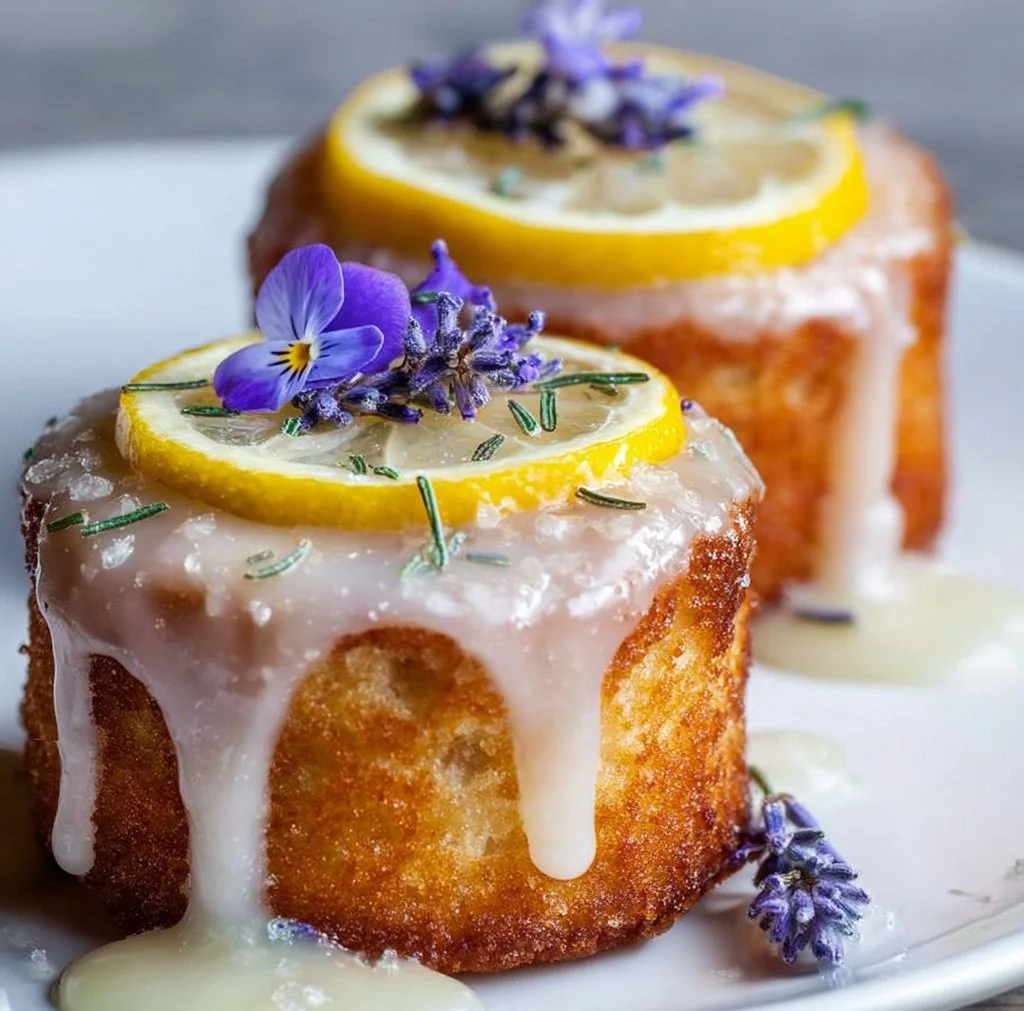
- Spoon or drizzle the lavender glaze over each cake so it lightly coats the top and drips slightly down the sides.
- If using, finish with a sprinkle of extra grated lemon zest and a few edible flowers for a fresh, inviting look.
- Let the glaze set for 10–15 minutes before serving.
A few final baking notes
- Mini cakes are quick to overbake—start checking early.
- If your glaze gets lumpy, whisk in a teaspoon or two of warm milk until smooth.
- Leftovers keep well in an airtight container at room temperature for 1–2 days or in the fridge for up to 4 days. Bring to room temp before serving to enjoy the flavors fully.
Common Mistakes to Avoid
Baking is part precision and part intuition. Below are three common missteps I see home bakers make with Mini Lemon Cakes With Lavender Glaze and how to avoid them.
Mistake 1: Using cold ingredients
If your butter, eggs, or dairy are too cold, the batter won’t emulsify properly and can separate or become lumpy. I always set ingredients out about 30–60 minutes before starting; if you forget, you can warm eggs gently in a bowl of warm water for a few minutes and microwave butter in 5–7 second bursts until softened but not melted.
Mistake 2: Overmixing the batter
Overmixing develops gluten in the flour and can lead to dense or chewy cakes. Mix just until the dry ingredients are incorporated—if you still see a few streaks of flour near the bottom, stop and fold them in gently by hand.
Mistake 3: Glazing warm cakes
Pouring glaze over warm cakes causes the glaze to run off and become thin puddles. Let the cakes cool completely; the glaze will set nicely on room-temperature cakes and create a prettier finish.
Serving Suggestions for Mini Lemon Cakes With Lavender Glaze
These mini cakes are charming alone, but with a little thought you can turn them into a cozy dessert plate or a sweet treat for guests.
I like to pair flavors and textures—think creamy, crunchy, or fruity accents that play nicely with lemon and lavender.
Tea-time pairing
Serve the mini cakes with a light tea—green tea, chamomile, or a citrusy black tea. The floral notes of lavender complement fragrant teas beautifully.
Brunch platter
Arrange the cakes on a brunch board with fresh berries, whipped cream, and small jars of lemon curd. They’re lovely as single-bite desserts after a savory main.
Dessert with a twist
For a small dinner party, plate two mini cakes with a spoonful of mascarpone sweetened with a touch of honey and a few macerated strawberries. The richness balances the bright lemon and the floral glaze.

Conclusion
I hope you feel excited to try these Mini Lemon Cakes With Lavender Glaze—trust me, they’re easier than they look, and they make the kitchen smell like sunshine. They’re also wonderfully customizable: add poppy seeds, sandwich in lemon curd, or skip the flowers if you prefer simplicity. If you’d like to see a similar take on this idea and compare techniques, check out this Mini Lemon Cakes With Lavender Glaze recipe on Southern Living for another perspective and serving inspiration. Give them a go and tell me which small change made them feel most like your own.
FAQs About Mini Lemon Cakes With Lavender Glaze
Q1: How long do Mini Lemon Cakes With Lavender Glaze keep?
A1: Mini Lemon Cakes With Lavender Glaze will stay fresh at room temperature in an airtight container for 1–2 days. If you need to keep them longer, store them in the refrigerator for up to 4 days; bring to room temperature before serving so the flavors and texture soften.
Q2: Can I make Mini Lemon Cakes With Lavender Glaze ahead of time?
A2: Yes—bake the cakes and cool them completely, then store them unfrosted in an airtight container for up to 2 days. Make the lavender glaze the morning you plan to serve, then glaze just before guests arrive so the glaze looks fresh. You can also freeze the unfrosted cakes for up to 2 months and thaw overnight in the fridge.
Q3: Is the lavender flavor in Mini Lemon Cakes With Lavender Glaze strong?
A3: The lavender flavor in Mini Lemon Cakes With Lavender Glaze is gentle and floral when you use the recommended 1/2 teaspoon of culinary lavender steeped in a small amount of milk. If you’re sensitive to floral flavors, start with 1/4 teaspoon, taste the infused milk (before adding to powdered sugar), and adjust as needed.
Q4: Can I use dried lavender from the garden for Mini Lemon Cakes With Lavender Glaze?
A4: Only use culinary-grade dried lavender for Mini Lemon Cakes With Lavender Glaze. Some garden or craft lavender may be treated with non-food-safe chemicals or have a bitter profile. Culinary lavender is labeled for consumption and will yield the best flavor.
Q5: Can I make Mini Lemon Cakes With Lavender Glaze dairy-free?
A5: Yes—substitute dairy items with plant-based alternatives: use a vegan butter substitute for the butter, a nondairy yogurt in place of sour cream (full-fat coconut yogurt works well), and a plant milk like oat or almond to steep the lavender. Note the flavor profile will shift slightly, but the cakes will still be delightful.
Mini Lemon Cakes With Lavender Glaze
- Total Time: 30 minutes
- Yield: 12 servings 1x
- Diet: Vegetarian
Description
Delicate mini lemon cakes with a floral lavender glaze, perfect for a spring treat or a light dessert.
Ingredients
- 1 1/3 cups all-purpose flour
- 1/2 tsp kosher salt
- 1/8 tsp baking soda
- 1/2 cup unsalted butter, softened
- 2/3 cup granulated sugar
- 1/3 cup packed light brown sugar
- 1 Tbsp grated lemon zest
- 2 large eggs, at room temperature
- 1/4 cup sour cream, at room temperature
- 1/4 cup whole milk, at room temperature
- 1 tsp vanilla extract
- 1/4 cup whole milk (for glaze)
- 1/2 tsp culinary lavender
- 1 1/2 cups powdered sugar
- 1/4 tsp kosher salt (for glaze)
- 1/8 tsp vanilla extract (for glaze)
Instructions
- Preheat your oven to 350°F (175°C).
- Grease and flour your mini pans.
- Whisk together the flour, salt, and baking soda in a small bowl.
- Beat the butter, granulated sugar, and brown sugar in a larger bowl until light and fluffy.
- Add the lemon zest and mix.
- Incorporate the eggs one at a time, followed by sour cream and vanilla.
- Mix in the dry ingredients and milk alternately until just combined.
- Spoon the batter into prepared pans.
- Bake for 12-15 minutes, until a toothpick comes out clean.
- Cool the cakes in the pan for 5 minutes, then transfer to a wire rack.
- Warm the milk for the glaze and steep lavender for 8-10 minutes.
- Strain the milk, then whisk with powdered sugar and remaining ingredients until smooth.
- Glaze the cooled cakes and garnish with lemon zest or flowers if desired.
- Let the glaze set before serving.
Notes
Ensure all ingredients are at room temperature for best results. You can skip steeping lavender for a quicker glaze with lemon juice.
- Prep Time: 15 minutes
- Cook Time: 15 minutes
- Category: Dessert
- Method: Baking
- Cuisine: American
Nutrition
- Serving Size: 1 cake
- Calories: 230
- Sugar: 20g
- Sodium: 200mg
- Fat: 10g
- Saturated Fat: 6g
- Unsaturated Fat: 4g
- Trans Fat: 0g
- Carbohydrates: 30g
- Fiber: 1g
- Protein: 3g
- Cholesterol: 30mg
Keywords: mini cakes, lemon, lavender, dessert, baking