Last updated on April 7, 2026
A Cozy Start
Have you ever had a craving so specific it felt like a tiny drumbeat in your kitchen until you gave in? I remember one rainy evening when I wanted something warm, cheesy, and oddly familiar — the kind of comfort that hugs from the inside. If you love a saucy, cheesy pasta that borrows its soul from a sandwich, you’ll feel right at home with this dish. For a beginner, chopping and timing the steps together can feel a little tricky at first, but I promise this Philly Cheesesteak Pasta is forgiving and straightforward. If you want a similar crowd-pleasing, weeknight-friendly pasta to compare techniques, I sometimes peek at a cheesy Philly cheesesteak pasta recipe for ideas and inspiration.
A Quick Look at This Philly Cheesesteak Pasta Recipe
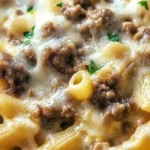
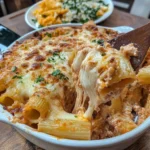
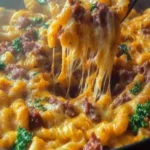
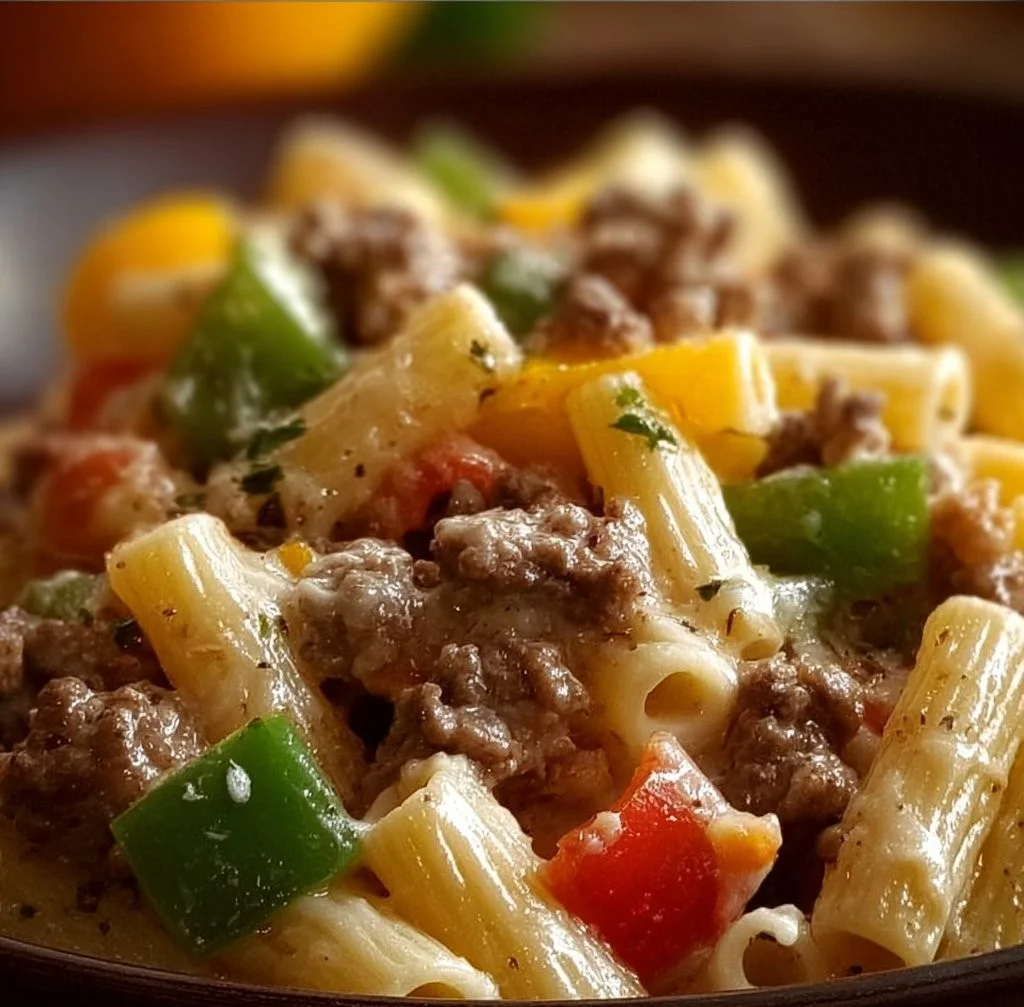
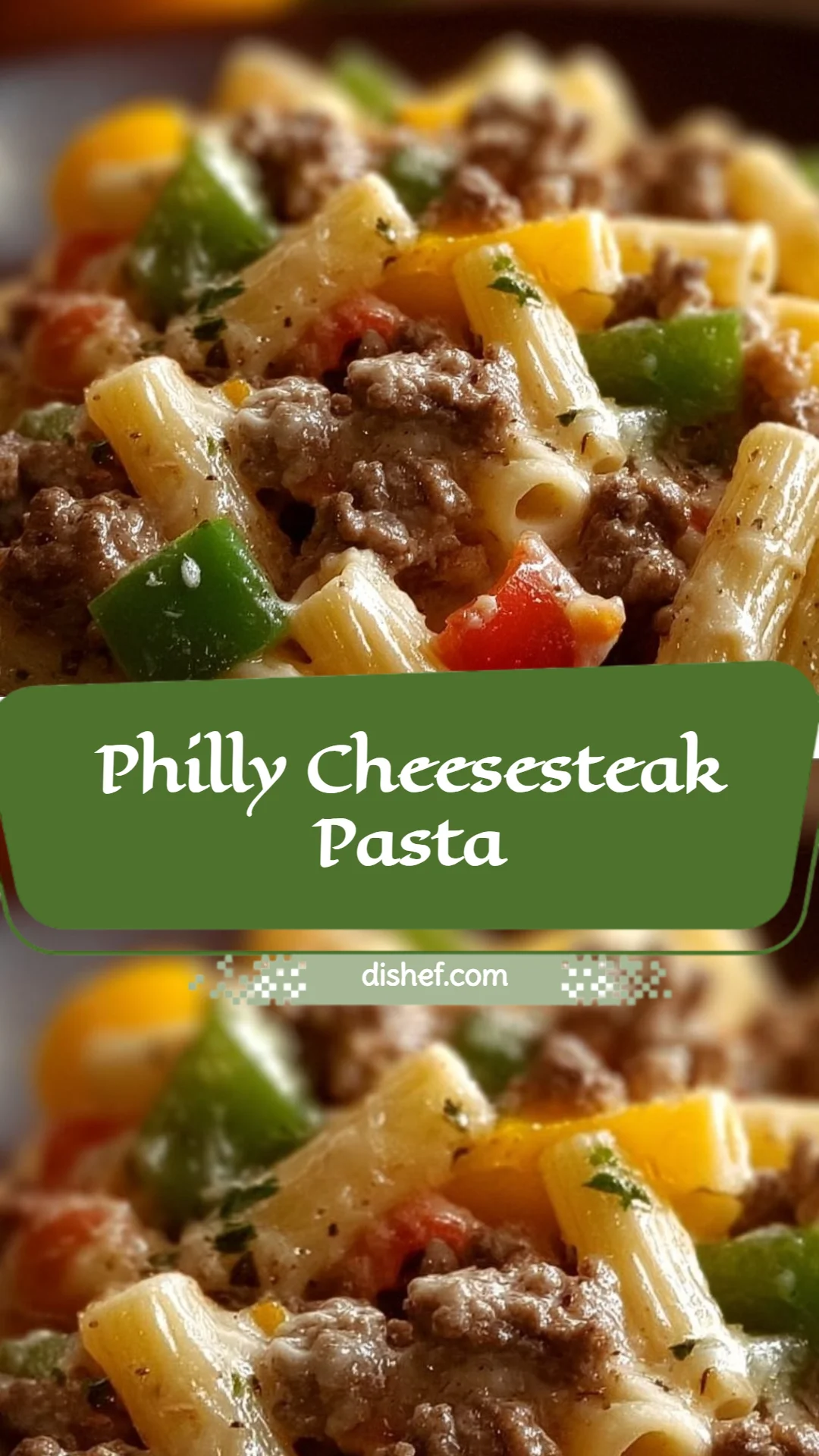
This Philly Cheesesteak Pasta blends two main ingredients: savory beef (ground or thin steak strips) and melty provolone. It’s a comfort-forward, one-pot-style meal that comes together quickly and gives you rich, creamy satisfaction. The cream cheese and beef broth create a silky sauce while the peppers and onions provide classic cheesesteak flavor without fuss. It’s perfect for home cooks who want big flavor without a long ingredient list. Keep scrolling — I’ll walk you through easy swaps, timing tricks, and how to get a bubbly golden top every time.
Ingredients You’ll Need for Philly Cheesesteak Pasta
Below I break the ingredient list into essentials, tasty add-ons, and smart substitutions so you can make this recipe with what you have on hand.
Essentials
- 1 lb ground beef or steak strips — I often use ground beef for speed, but thin steak strips (ribeye or sirloin) give a more traditional texture.
- 1 green bell pepper, diced — gives that bright cheesesteak bite. You can finely slice if using steak strips.
- 1 onion, diced — yellow or sweet onion works best for caramelized flavor.
- 2 cloves garlic, minced — fresh garlic adds depth; don’t skip it.
- 8 oz cream cheese, softened — makes the sauce creamy and rich.
- 1 cup shredded provolone cheese — reserve a little for topping.
- 12 oz pasta (penne or rigatoni) — sturdy shapes hold the sauce well.
- 1 cup beef broth — thins the cream cheese into a silky sauce.
- Salt and pepper to taste — I start with 1 tsp salt and 1/2 tsp pepper for the meat and adjust later.
- 1 tbsp olive oil — for sautéing vegetables and browning meat.
Optional add-ons
- Sliced mushrooms — sautéed with the onions for extra umami.
- Red or yellow bell peppers — mix colors for a sweeter profile.
- Red pepper flakes or a dash of hot sauce — if you like a little heat.
- Fresh parsley or chives — for garnish and a fresh finish.
- Grated Parmesan — sprinkle before serving for extra savory punch.
- A squeeze of lemon — brightens the whole dish at the very end.
Substitutions and shortcuts
- Swap the beef: If you prefer ground turkey or chicken, they work well here; you’ll lose some beefy richness but gain leaner protein.
- Cheese options: If you don’t have provolone, mild mozzarella or fontina make good stand-ins. A sharper cheese will change the flavor profile.
- Quick shortcut: Use pre-diced onions and peppers from the produce section to save time. I’ll share a timing tip later so you don’t overcook them.
- Make it lighter: Reduce cream cheese to 4–6 oz and add a splash more beef broth plus a dollop of Greek yogurt off the heat for tang and reduced fat.
- Pasta choices: If you only have spaghetti, it’ll still be tasty — just toss carefully to coat the strands.
- Stove-to-oven shortcut: If you don’t want to broil the top, sprinkle provolone and let it melt on low heat covered for a couple minutes, or finish under the broiler for the classic golden top.
Pro tip: For another quick, cheesy pasta idea that uses a different set of flavors and textures, I sometimes compare techniques with a favorite baked feta pasta easy recipe — it’s a great way to stretch pantry skills.
How to Make Philly Cheesesteak Pasta Step-by-Step
I’ll walk you through every move like we’re cooking together. Read through once, then follow the steps and you’ll have dinner on the table in about 30–40 minutes depending on how fast you chop.
Prep and start the pasta
- Bring a large pot of water to a rolling boil and season generously with salt (about 1–2 tablespoons for a big pot). The water should taste like the sea — that’s how you season the pasta itself.
- Add 12 oz of penne or rigatoni and cook until al dente according to the package (usually 9–12 minutes). Al dente means there’s a slight bite — it will finish cooking a bit when combined with the sauce.
- Before draining, scoop out and reserve about 1/2 to 1 cup of pasta cooking water. This starchy water is great for loosening the sauce if it becomes too thick. Drain the pasta and set aside.
Sauté the vegetables
- While the pasta cooks, heat 1 tbsp olive oil in a large, oven-safe skillet over medium heat. If your skillet isn’t oven-proof, you can transfer to a baking dish later for broiling.
- Add the diced green bell pepper and diced onion. Sauté, stirring occasionally, until they are soft and the edges begin to caramelize — about 6–8 minutes. Lower heat if they start to brown too fast.
- Add the minced garlic to the pan and cook for another 30–60 seconds until fragrant. Garlic cooks quickly and can burn; keep an eye on it.
Brown the meat
- Push the vegetables to one side of the skillet or transfer them to a bowl temporarily if your skillet is crowded. Add the ground beef or steak strips to the cleared space and spread it out so it gets good contact with the pan.
- Cook the meat over medium-high heat until browned and cooked through, breaking up the ground beef with a spoon as it cooks. If using steak strips, let them sear and then flip for even browning.
- Season generously with salt and pepper while cooking. Taste as you go — you can always add more later.
Make the creamy sauce
- Reduce the heat to low. Stir the cooked vegetables back into the meat if you set them aside.
- Add the softened 8 oz cream cheese to the skillet in chunks and pour in 1 cup beef broth. Stir gently until the cream cheese melts and the mixture becomes a smooth, creamy sauce. If it seems too thick, add a splash more broth or some reserved pasta water.
- Stir in 1 cup shredded provolone until melted and combined. The sauce should be silky and coat the back of a spoon. Taste and adjust salt and pepper.
Combine pasta and sauce
- Add the drained pasta to the skillet and fold everything together so each piece is coated. If the sauce feels stiff, stir in reserved pasta water a tablespoon at a time until you reach your desired consistency.
- Heat through for 1–2 minutes so the flavors marry. At this point, you can plate it straight from the pan or proceed to the broil step for a golden top.
Broil for the bubbly finish
- Sprinkle a little extra shredded provolone over the top (about 1/2 cup) for that classic melty, golden finish. If your skillet is oven-safe, move it to the oven under the broiler set on high. Keep the oven rack 6–8 inches from the broiler.
- Broil for 1–3 minutes, watching closely, until the cheese is bubbly and lightly golden. If you’re nervous about hot broilers, you can also place the pasta under a low oven setting to melt the cheese—just skip the broiler step.
Serve and garnish
- Remove from oven carefully (use oven mitts; cast iron stays hot!). Let rest for a couple minutes. Garnish with chopped parsley or chives for color and a fresh note.
- Serve family-style from the skillet or spoon onto plates. This is especially cozy with a simple green salad or crusty bread to mop up any extra sauce.
Timing tips: While your vegetables sauté, start the pasta so everything finishes around the same time. If you prefer the peppers to be crisper, add them a little later; if you like them soft and sweet, cook longer. I find that cooking the meat and vegetables in the same pan saves dishes and builds flavor.
Common Mistakes to Avoid
Even simple recipes can trip you up. I’ve made these mistakes so you don’t have to—here’s where cooks usually stumble and how to fix it.
Mistake 1: Overcooking the pasta
When pasta is too soft it becomes mushy when combined with the sauce. Cook to al dente and reserve pasta water so you can loosen the sauce without turning the pasta to mush. Taste a minute before the package time is up.
Mistake 2: Letting the cream cheese separate
If you rush the sauce or add cream cheese to very high heat, it can separate and become grainy. Reduce the heat to low when adding cream cheese, and melt it slowly with the beef broth, stirring constantly. A little reserved pasta water can help smooth things out if needed.
Mistake 3: Crowding the pan while browning meat
Crowding causes the meat to steam rather than brown, and you lose those caramelized bits that add flavor. Brown in batches if necessary, or push veggies aside and make more room. A good sear makes a big difference in taste.
Serving Suggestions for Philly Cheesesteak Pasta
This dish is hearty and flexible. Here are three easy ways I like to serve it, depending on the occasion and mood.
I usually keep sides simple so the creamy pasta stays the star. A crisp green salad and a bright vinegar-based dressing balance the richness. For an extra cozy touch, a warm loaf of bread is perfect for soaking up sauce.
Salad pairing ideas
A peppery arugula salad with lemon vinaigrette cuts through the richness, or try a crisp romaine salad with cherry tomatoes and a light balsamic drizzle.
Bread and sides
A warm, crusty baguette or garlic bread is always welcome. For something quicker, buttered dinner rolls or toasted sourdough work well for mopping.
Make it a complete meal
Add roasted vegetables on the side like broccoli or Brussels sprouts for extra fiber. If you need more protein, a simple side of baked eggs (over-easy or soft-cooked) can transform this into brunch-worthy comfort.
Conclusion
I hope this Philly Cheesesteak Pasta becomes one of those recipes you reach for on chilly weeknights or when you want a no-fuss crowd-pleaser. It’s easier than it looks, truly customizable, and very forgiving for beginners — you can tweak the cheese, swap proteins, and still end up with something cozy and satisfying. If you’d like a slightly different take or want to see another finished skillet version for inspiration, check out this Philly Cheesesteak Pasta Skillet – The Kitchn for a helpful perspective.
FAQs About Philly Cheesesteak Pasta
Q1: Can I make the Philly Cheesesteak Pasta ahead of time?
A1: Yes. You can prepare the components (cook pasta and make the meat-veggie mixture) up to a day ahead and refrigerate separately. Reheat gently in a skillet with a splash of broth or reserved pasta water and finish with the cheese and broil just before serving to regain that fresh-baked top.
Q2: Is Philly Cheesesteak Pasta freezer-friendly?
A2: It can be frozen, but the texture of the cream cheese sauce may change slightly after thawing. If you plan to freeze, undercook the pasta a touch and store sauce and pasta together in an airtight container. Thaw overnight in the fridge and reheat slowly with a little extra broth to revive creaminess.
Q3: What’s the best cut of beef for Philly Cheesesteak Pasta if I’m using steak strips?
A3: If you choose steak strips, I like sirloin or ribeye for their balance of flavor and tenderness. Sirloin is leaner and economical; ribeye is richer. Slice thinly across the grain so the strips remain tender.
Q4: How can I make this Philly Cheesesteak Pasta vegetarian?
A4: Replace beef with hearty mushrooms (like cremini or portobello) or a plant-based ground meat substitute. Use vegetable broth instead of beef broth and keep the cream cheese and provolone (or swap for plant-based cheese) for that creamy texture.
Q5: Can I reduce the calories in the Philly Cheesesteak Pasta without losing flavor?
A5: Absolutely. Use 4–6 oz of cream cheese instead of 8 oz and add an extra 1/2 to 1 cup of beef broth or low-fat milk to thin the sauce. Swap ground turkey or lean ground beef for the beef, and use part-skim provolone or a smaller amount of a stronger cheese to keep flavor while cutting calories.
Enjoy making this at home — it’s one of those cozy, forgiving dishes that tastes like a hug in a bowl. If you try a variation, I’d love to hear how you tweaked it.
Print
Philly Cheesesteak Pasta
- Total Time: 45 minutes
- Yield: 4 servings 1x
- Diet: Carnivore
Description
A comforting one-pot pasta dish that blends savory beef with creamy provolone cheese, delivering cheesy satisfaction in every bite.
Ingredients
- 1 lb ground beef or steak strips
- 1 green bell pepper, diced
- 1 onion, diced
- 2 cloves garlic, minced
- 8 oz cream cheese, softened
- 1 cup shredded provolone cheese
- 12 oz penne or rigatoni
- 1 cup beef broth
- Salt and pepper to taste
- 1 tbsp olive oil
Instructions
- Bring a large pot of water to a boil and season generously with salt. Add the pasta and cook according to package instructions.
- Heat olive oil in a skillet, sauté the bell pepper and onion until soft.
- Add minced garlic and cook until fragrant.
- Push vegetables to the side, add the beef, and cook until browned.
- Reduce heat, stir in cream cheese and beef broth, mixing until a creamy sauce forms.
- Add cooked pasta, stirring to combine and coat with sauce.
- Sprinkle with extra provolone cheese and broil until bubbly and golden.
- Serve garnished with parsley or chives.
Notes
This recipe is forgiving; feel free to swap proteins or adjust cheese types based on your preference.
- Prep Time: 15 minutes
- Cook Time: 30 minutes
- Category: Main Course
- Method: Stovetop and Broiling
- Cuisine: American
Nutrition
- Serving Size: 1 serving
- Calories: 450
- Sugar: 3g
- Sodium: 500mg
- Fat: 25g
- Saturated Fat: 10g
- Unsaturated Fat: 12g
- Trans Fat: 0g
- Carbohydrates: 40g
- Fiber: 2g
- Protein: 25g
- Cholesterol: 80mg
Keywords: pasta, cheesesteak, comfort food, quick dinner, one-pot meal