Last updated on May 4, 2026
##Introduction
I still laugh thinking about the first time I tried to make a tropical cake and ended up with a sticky, flattened pancake—pineapple everywhere and a kitchen that smelled like a tiki bar. If you’re a beginner who’s ever worried about eggs curdling or dairy turning a simple bake into a kitchen drama, I get it. This Pineapple Coconut Cake (Easy, No Egg, No Dairy) is exactly the kind of recipe I reach for when I want something bright, forgiving, and uncomplicated—plus it pairs nicely with a round of inspired recipe browsing like the gentle variations I found on a similar pineapple coconut cake.
##A Quick Look at This Pineapple Coconut Cake (Easy, No Egg, No Dairy) Recipe
This cake brings together vitamin C-rich pineapple juice and fiber-packed shredded coconut for a light, naturally wholesome treat. It’s not high in protein, but it does offer quick energy from carbohydrates and some healthy fats from coconut oil. With no dairy or eggs, it’s lower in saturated dairy fats and suitable for many restricted diets, while still delivering comforting sweetness. It fits well into a balanced lifestyle as an occasional lighter dessert, a portable snack for meal prep, or a gentle finish to a tropical-themed meal.
##Ingredients You’ll Need for Pineapple Coconut Cake (Easy, No Egg, No Dairy)
Essentials
- 1 cup all-purpose flour — the structural base of the cake; provides carbohydrates and bulk.
- 1 cup sugar — sweetens and contributes to tenderness; you can reduce slightly for lower added sugar.
- 1 teaspoon baking powder — helps the cake rise into a soft crumb.
- 1/2 teaspoon baking soda — reacts with acidic pineapple juice to add lift and browning.
- 1/4 teaspoon salt — balances sweetness and enhances flavor.
- 1/4 cup coconut oil — a dairy-free fat that adds moisture and gentle coconut flavor; melts easily for mixing.
- 1 cup pineapple juice — provides moisture, natural sweetness, and vitamin C; reacts with baking soda.
- 1 teaspoon vanilla extract — rounds and deepens the flavors.
- 1 cup shredded coconut (unsweetened) — adds texture, fiber, and a toasty coconut taste.
Optional add-ons
- 1/2 cup crushed pineapple (well-drained) — for extra fruity texture and moisture.
- 1/3 cup chopped macadamia nuts or walnuts — adds crunch and healthy fats.
- 1/4 cup coconut yogurt or a dairy-free glaze — for a creamy topping without dairy.
- Zest of 1 lime — brightens the overall flavor.
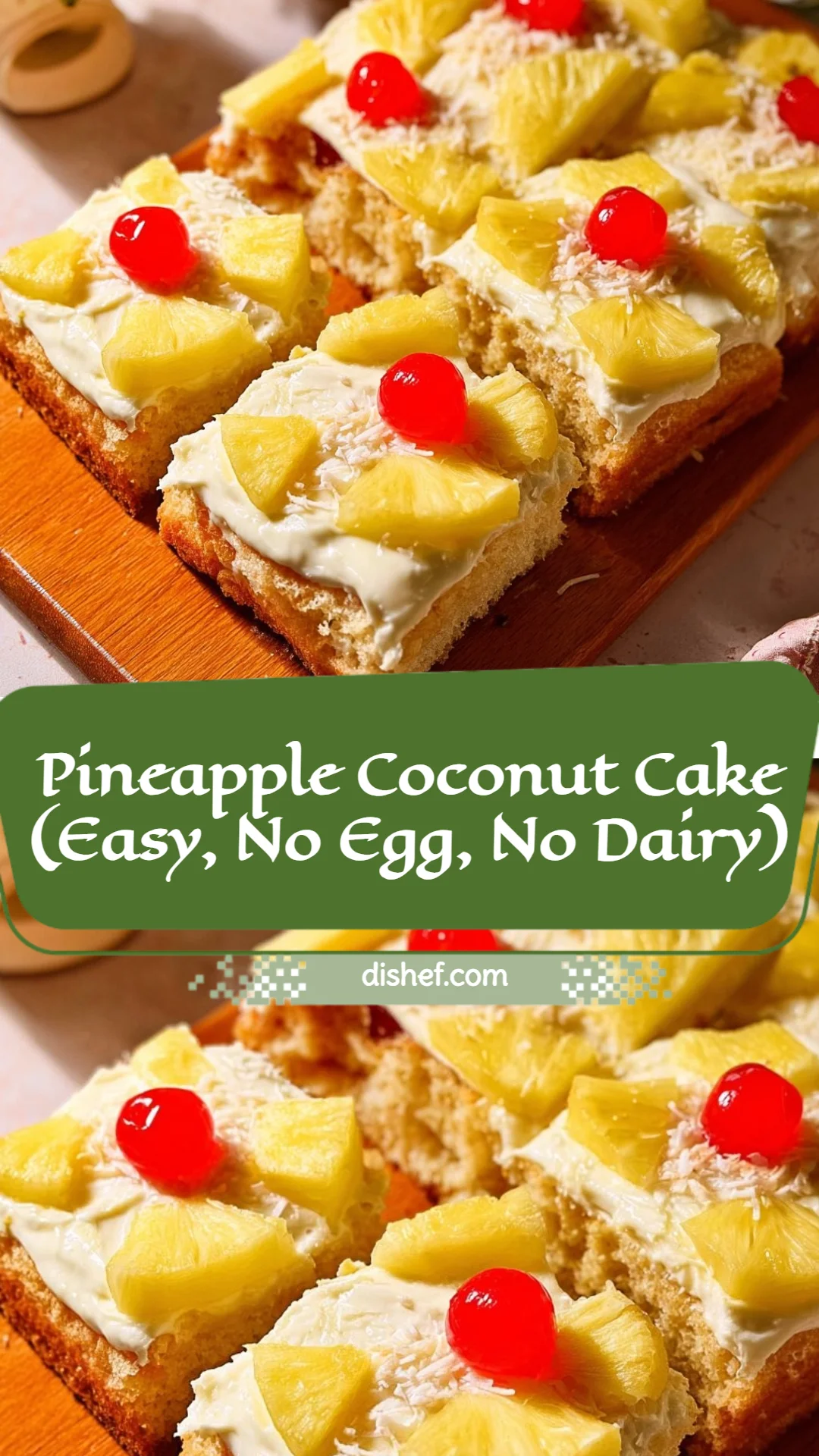
- A sprinkle of toasted coconut on top — for visual appeal and added crunch.
Substitutions and shortcuts
- Flour: Use 1 cup whole-wheat pastry flour for slightly more fiber and nuttier flavor (may yield a denser cake). For gluten-free, try a 1:1 gluten-free flour blend, but expect a change in texture.
- Sugar: Replace with coconut sugar or 3/4 cup maple syrup; if using syrup, reduce pineapple juice by about 2 tablespoons to keep batter consistency right.
- Coconut oil: Use a neutral oil like avocado or grapeseed if you prefer less coconut flavor.
- Pineapple juice: Unsweetened canned pineapple juice works fine; for a fresher profile, use freshly juiced pineapple.
- Shredded coconut: Swap for finely chopped dried apricots or pear bits for a different dried-fruit texture, though flavor will change.
- Quick shortcut: Use a stand mixer or large jar with a tight lid to whisk together wet and dry ingredients quickly when you’re in a hurry.

##How to Make Pineapple Coconut Cake (Easy, No Egg, No Dairy) Step-by-Step
I like to keep the process simple so anyone can follow along—even if you’ve only ever microwaved instant oatmeal. Below I walk through the method with a few tips to preserve nutrients and get the best texture.
Preheat and prep
- Preheat your oven to 350°F (175°C). Grease a 9-inch round cake pan with a light brush of coconut oil, then dust with a little flour to prevent sticking. Using coconut oil also adds resilience to the crumb and keeps the cake dairy-free.
Mix dry ingredients
- In a large mixing bowl, whisk together 1 cup all-purpose flour, 1 cup sugar, 1 teaspoon baking powder, 1/2 teaspoon baking soda, and 1/4 teaspoon salt. Whisking fully distributes the leaveners so the cake rises evenly.
Combine wet ingredients
- In another bowl, combine melted coconut oil, 1 cup pineapple juice, and 1 teaspoon vanilla extract. If your coconut oil is solid, microwave it in short bursts until just melted—not hot—to avoid cooking the juice or compromising volatile nutrients like vitamin C.
Bring wet and dry together
- Pour the wet ingredients into the dry and mix just until combined. Over-mixing develops gluten and can lead to a tougher cake; stop when you can still see a few streaks of flour. A gentle fold helps preserve a tender crumb.
Fold in shredded coconut and any extras
- Fold in 1 cup shredded coconut (unsweetened) and any optional add-ins such as crushed pineapple or chopped nuts. If using crushed pineapple, make sure it’s well-drained to avoid a soggy center. Folding rather than stirring keeps air in the batter and supports even rise.
Bake with care
- Transfer the batter to the prepared pan and smooth the top. Bake for 30–35 minutes, until the top is golden and a toothpick inserted into the center comes out clean. Rotate the pan halfway through baking if your oven runs hot on one side. Let the cake sit in the pan for about 10 minutes after baking, then transfer to a wire rack to cool completely—this helps the crumb set and makes slicing neater.
Finishing touches
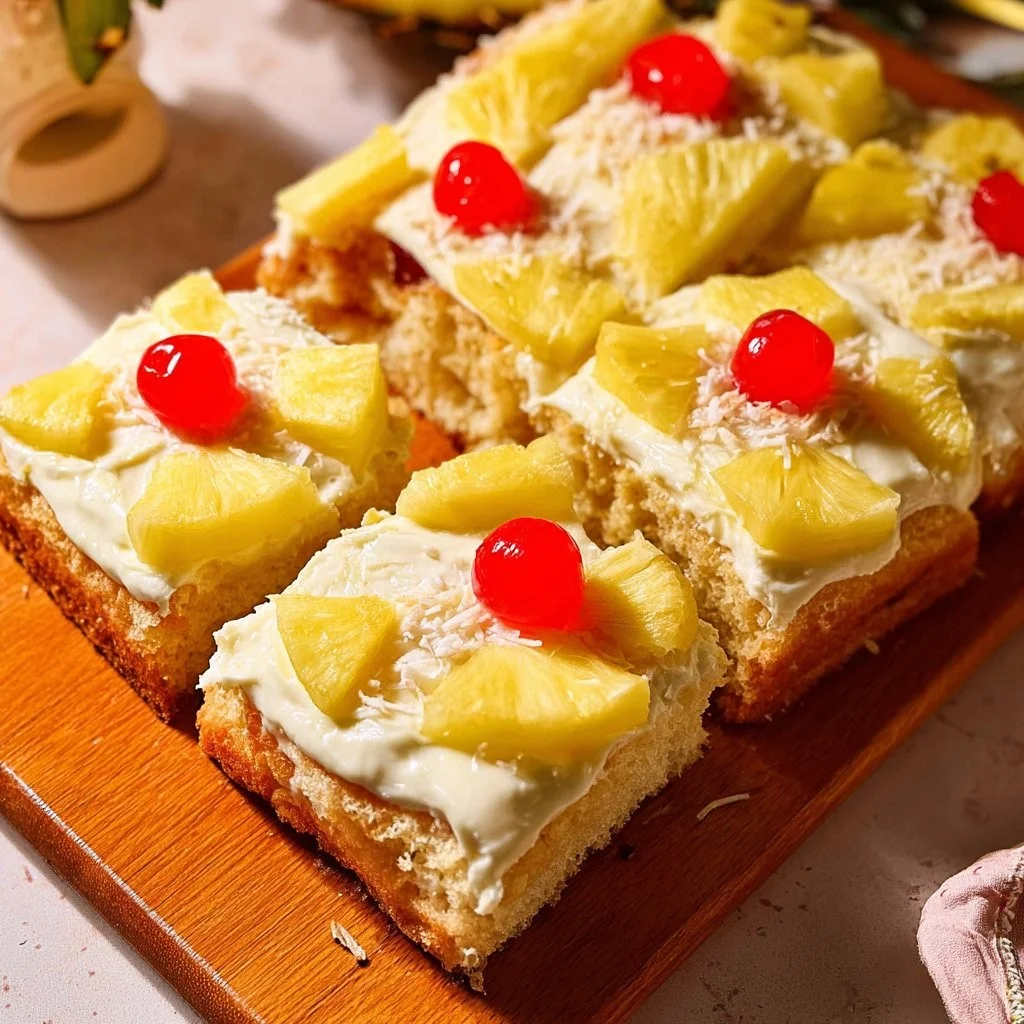
- I like to sprinkle a little toasted shredded coconut on top for color and texture. If you’d like a glaze, mix 1/2 cup powdered sugar with 1 to 2 tablespoons of pineapple juice or dairy-free yogurt until pourable, then drizzle sparingly to keep added sugars modest.
Nutrient preservation tips: use fresh pineapple juice when possible (it contains higher vitamin C than stored juice), melt coconut oil gently rather than heating it to high temperatures, and avoid over-baking to keep moisture and nutrient density intact.
I also sometimes refer to seasonal baking ideas like those in gluten-free cake ideas when adapting this basic recipe for holiday menus—simple swaps and decorations can make this cake feel new every time.
##Common Mistakes to Avoid
Baking without eggs or dairy is forgiving, but a few missteps can still change the outcome. I’ve seen these errors a lot, and they’re easy to fix once you know what to watch for.
Mistake 1: Overmixing the batter
Stirring too vigorously develops gluten and leads to a dense, rubbery cake. Mix just until ingredients are incorporated; a few small lumps are okay.
Mistake 2: Using too much wet add-in without draining
Adding undrained crushed pineapple or watery fruit can make the center soggy and extend baking time. Drain well and pat fruit dry with a paper towel before folding it in.
Mistake 3: Baking at the wrong temperature
An oven that’s too hot will brown the outside before the center cooks; too cool and the cake can collapse. Use an oven thermometer to ensure an accurate 350°F (175°C), and avoid opening the oven frequently during baking.
##Serving Suggestions for Pineapple Coconut Cake (Easy, No Egg, No Dairy)
This cake is versatile and light, so it pairs well with simple, health-minded accompaniments. I love serving it in ways that highlight its tropical nature without adding too many extra calories.
Simple citrus yogurt
Top a slice with a dollop of dairy-free coconut yogurt and a little lime zest for creaminess and brightness.
Fresh fruit plate
Serve alongside slices of mango, kiwi, or fresh pineapple for a fiber-rich, colorful plate that makes the meal feel celebratory without going overboard.
Light whipped coconut cream
Whip chilled full-fat coconut milk until fluffy and spoon a small amount on the side. It’s indulgent but you can control portion size and keep the dish balanced.
##Conclusion
I love how this Pineapple Coconut Cake (Easy, No Egg, No Dairy) fits into my routine: it’s straightforward, kind to dietary needs, and still feels like a little celebration. Whether you’re baking for a friend who avoids dairy, prepping breakfast treats for the week, or simply craving something tropical and uncomplicated, this recipe adapts well to substitutions and small upgrades. If you’d like a reference to the original inspiration and a slightly different take, check out the original Pineapple Coconut Cake (Easy, No Egg, No Dairy) recipe for another viewpoint on the same cozy idea.
##FAQs About Pineapple Coconut Cake (Easy, No Egg, No Dairy)
Q1: Can I make Pineapple Coconut Cake (Easy, No Egg, No Dairy) gluten-free?
A1: Yes—use a certified 1:1 gluten-free flour blend in place of all-purpose flour. The texture may be a bit different (often slightly denser), so avoid overmixing and consider adding a teaspoon of xanthan gum if your blend doesn’t already contain it.
Q2: How do I store Pineapple Coconut Cake (Easy, No Egg, No Dairy) to keep it moist?
A2: Store cooled cake in an airtight container at room temperature for up to 2 days, or refrigerate for up to 5 days. A thin layer of parchment between slices helps prevent sticking; bring to room temperature before serving for the best texture.
Q3: Can I freeze Pineapple Coconut Cake (Easy, No Egg, No Dairy)?
A3: Absolutely. Wrap the cooled cake well in plastic wrap and then foil, or cut into slices and freeze in a single layer on a tray before transferring to a freezer bag. Thaw in the fridge overnight or at room temperature for a few hours before serving.
Q4: Is Pineapple Coconut Cake (Easy, No Egg, No Dairy) suitable for people with nut allergies?
A4: The base recipe is nut-free if you don’t add nuts as an optional add-on. Always check labels on shredded coconut and other packaged ingredients for cross-contamination warnings if you’re serving someone with severe allergies.
Q5: Can I reduce the sugar in Pineapple Coconut Cake (Easy, No Egg, No Dairy) without affecting texture too much?
A5: You can decrease sugar by up to 25% with minimal texture change—try 3/4 cup instead of 1 cup. If you substitute liquid sweeteners like maple syrup, reduce the pineapple juice slightly to keep the batter consistency consistent.
Pineapple Coconut Cake (Easy, No Egg, No Dairy)
- Total Time: 50 minutes
- Yield: 8 servings 1x
- Diet: Vegan
Description
A light and forgiving tropical cake made without eggs or dairy, featuring pineapple juice and shredded coconut for a naturally sweet treat.
Ingredients
- 1 cup all-purpose flour
- 1 cup sugar
- 1 teaspoon baking powder
- 1/2 teaspoon baking soda
- 1/4 teaspoon salt
- 1/4 cup coconut oil
- 1 cup pineapple juice
- 1 teaspoon vanilla extract
- 1 cup shredded coconut (unsweetened)
- 1/2 cup crushed pineapple (optional, well-drained)
- 1/3 cup chopped macadamia nuts or walnuts (optional)
- 1/4 cup coconut yogurt or dairy-free glaze (optional)
- Zest of 1 lime (optional)
- A sprinkle of toasted coconut on top (optional)
Instructions
- Preheat your oven to 350°F (175°C). Grease a 9-inch round cake pan with coconut oil and dust with flour.
- Whisk together in a large bowl the flour, sugar, baking powder, baking soda, and salt.
- Combine melted coconut oil, pineapple juice, and vanilla extract in another bowl.
- Pour the wet ingredients into the dry ingredients and mix until just combined.
- Fold in the shredded coconut and any optional add-ins.
- Transfer the batter to the prepared pan and smooth the top.
- Bake for 30-35 minutes until golden brown and a toothpick comes out clean.
- Let the cake cool in the pan for 10 minutes, then transfer to a wire rack to cool completely.
- Garnish with toasted coconut or a glaze if desired.
Notes
For extra flavor, use freshly juiced pineapple. Ensure any wet add-ins are well-drained to prevent sogginess.
- Prep Time: 15 minutes
- Cook Time: 35 minutes
- Category: Dessert
- Method: Baking
- Cuisine: Tropical
Nutrition
- Serving Size: 1 serving
- Calories: 250
- Sugar: 10g
- Sodium: 200mg
- Fat: 8g
- Saturated Fat: 7g
- Unsaturated Fat: 1g
- Trans Fat: 0g
- Carbohydrates: 37g
- Fiber: 2g
- Protein: 3g
- Cholesterol: 0mg
Keywords: pineapple, coconut, vegan cake, dairy-free dessert, tropical recipe, easy cake