Last updated on April 7, 2026
A Cozy Start
Do you ever catch yourself craving a simple cake that takes you straight back to childhood — the kind of cake your teacher might have brought in for a classroom treat? I remember giggling through crumbs and sticky frosting at school bake sales, and that memory is what inspired this School Cake recipe. If you’re a beginner who worries about measuring, mixing, or overbaking, I promise this is one of the friendliest recipes you’ll meet; it’s forgiving, quick, and perfect for those days when you just want comfort in a square. If you like easy, crowd-pleasing bakes, you might also enjoy this baked protein pancake bowl recipe I tried when I wanted a breakfast cake vibe.
A Quick Look at This School Cake Recipe
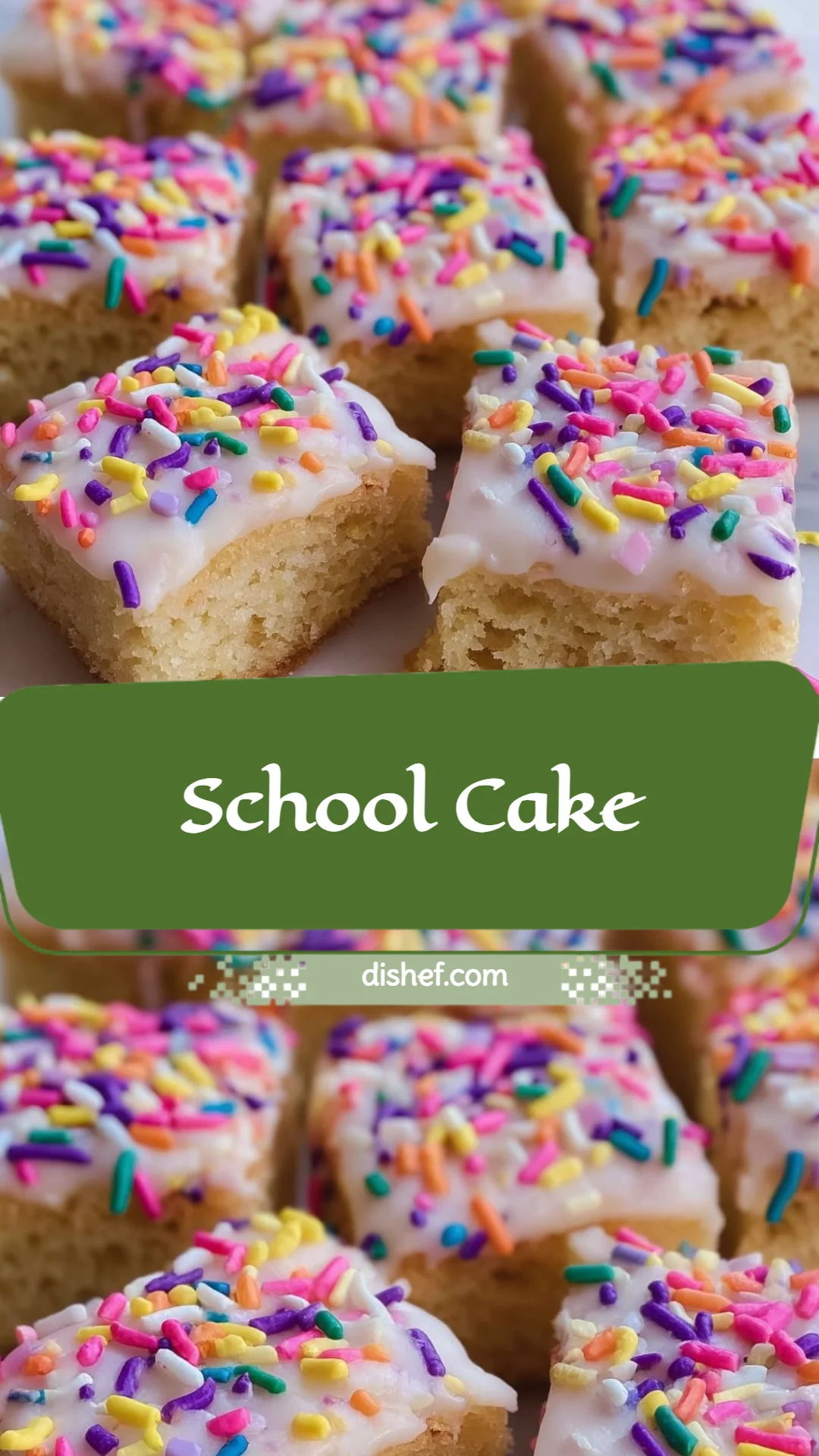
This School Cake is built on two simple stars: butter and sugar, with eggs giving it a tender crumb. It’s a comforting, no-fuss cake that comes together in one bowl (well, two if you like to keep dry and wet separate), so it’s wonderfully convenient when you want a dessert fast. The texture is soft and reliable — the kind of cake that holds up to fruit, a light glaze, or a dusting of icing sugar. It’s an ideal beginner recipe because the method is straightforward, and few things can go truly wrong if you follow the basics. Scroll down to see easy step-by-step photos and tasty variations that make this cake feel like your own.
Ingredients You’ll Need for School Cake
Essentials
- 225 g (about 1 3/4 cups) all-purpose flour — the base that gives structure.
- 225 g (1 cup + 2 tablespoons) granulated sugar — sweetens and helps the crumb.
- 225 g (1 cup) unsalted butter, softened — for richness and a tender crumb.
- 4 large eggs, at room temperature — for lift and stability.
- 2 teaspoons baking powder — the leavening that produces a gentle rise.
- 1 teaspoon vanilla extract — for warm, comforting flavor.
- Pinch of salt — to balance sweetness.
- Icing sugar, for dusting — simple finishing touch.
Optional add-ons
- Fresh or frozen berries (blueberries, raspberries, sliced strawberries) — fold in gently for bursts of fruit.
- Jam or fruit curd — spread between layers if you slice the cake, or dollop on top.
- Chocolate chips (milk, dark, or white) — a favorite with kids and chocolate lovers.
- Citrus zest (lemon or orange) — adds bright, fresh notes.
- Light glaze (lemon or vanilla glaze) — for shine and sweetness without heaviness.
- Toasted nuts (almonds, hazelnuts, or walnuts) — for crunch if you like contrast.
Substitutions and shortcuts
- Butter swap: You can replace part or all of the butter with a neutral oil (like sunflower or canola) for a moister cake. Use about 200 ml oil if substituting entirely — but expect a slightly different crumb and less buttery flavor.
- Sugar alternatives: Caster sugar works the same; for a slightly deeper flavor try light brown sugar (it will darken the cake and add molasses notes). If using liquid sweeteners (honey, maple), reduce added liquid elsewhere and expect a denser cake.
- Flour swaps: For gluten-free, use a 1:1 gluten-free all-purpose flour blend that contains xanthan gum. Texture will be slightly different but often very pleasant.
- Egg substitutes: For an egg-free version, try commercial egg replacers per package instructions or use flax eggs (1 tablespoon ground flaxseed + 3 tablespoons water per egg; set to thicken). The cake may be denser.
- Quick approach: If you’re short on time, melt the butter and mix it with sugar and eggs — the texture will be slightly different (more like a moist loaf), but flavor stays friendly.
- One-bowl trick: If you prefer fewer dishes, cream butter and sugar in one large bowl, add eggs, add dry ingredients directly after sifting. Just be gentle — don’t overmix.
How to Make School Cake Step-by-Step
I like to keep the rhythm of this recipe slow and friendly — it’s as much about enjoying the process as the result. Read through the full sequence before you start so nothing surprises you.
Prep and preheat
- Preheat your oven to 180°C (350°F). This is important: a properly preheated oven helps the cake rise evenly and sets the crumb.
- Grease a 9-inch (23 cm) square or round pan, then line the base with parchment paper. I also grease the sides lightly so the paper stays in place when I pour the batter.
Soften the butter properly
- Make sure your butter is soft — but not melted. Soft butter gives you a fluffy creaming result. If you forget to soften it, microwave in 5–7 second bursts and rotate until you can press a finger in but it still holds shape.
- Put the softened butter and granulated sugar in a large mixing bowl.
Cream butter and sugar
- Beat the butter and sugar together using an electric mixer on medium speed, or by hand with a sturdy whisk. Continue until the mixture is pale, lighter in color, and fluffy — about 3–5 minutes with an electric mixer.
- This step traps air which helps the cake rise. If you skip it and just stir, the cake will still be tasty but a bit denser.
Add the eggs, one at a time
- Crack your eggs into a small bowl first (no shells!), then add them one at a time to the butter-sugar mix.
- After each egg, beat briefly until incorporated, scraping the bowl sides as needed. Don’t worry if the mixture looks a bit curdled after the first couple of eggs; it will come together once the flour is folded in.
Flavor the batter
- Stir in the vanilla extract and any optional add-ins like citrus zest or a spoonful of jam if you want swirls. If you’re adding a delicate flavor like citrus oil, a little goes a long way.
Combine the dry ingredients
- In a separate bowl, sift together the 225 g all-purpose flour, 2 teaspoons baking powder, and a pinch of salt. Sifting helps remove lumps and makes for a lighter batter.
- With the mixer on low (or using a spatula), add the dry ingredients to the wet mixture gradually. Fold gently until just combined — overmixing develops gluten and can make the cake tougher.
Add fruit or chips (if using)
- If you’re using berries, chocolate chips, or nuts, fold them in at this stage. For berries, toss frozen berries lightly in a spoonful of flour first — this helps prevent them from sinking to the bottom of the pan. For chocolate chips, a quick press into the top later works well if you prefer them on top.
Transfer to the pan
- Pour the batter into the prepared pan. Smooth the top with a spatula so it’s evenly distributed. If you didn’t mix chips in, now’s the moment to scatter them across the surface for a pretty top.
Bake
- Bake in the preheated oven for 30–35 minutes. At around 30 minutes, insert a toothpick into the center — it should come out clean or with a few moist crumbs. If it’s wet batter, give it another 3–5 minutes and check again.
- Oven times vary, so trust the toothpick test rather than the clock alone.
Cool gradually
- Let the cake rest in the pan for 10–15 minutes. This brief rest helps the cake firm up so it won’t crumble when turned out.
- Run a knife around edges, invert the pan, and transfer the cake to a wire rack to cool completely. If you try to frost or slice while it’s hot, it can tear.
Finish and serve
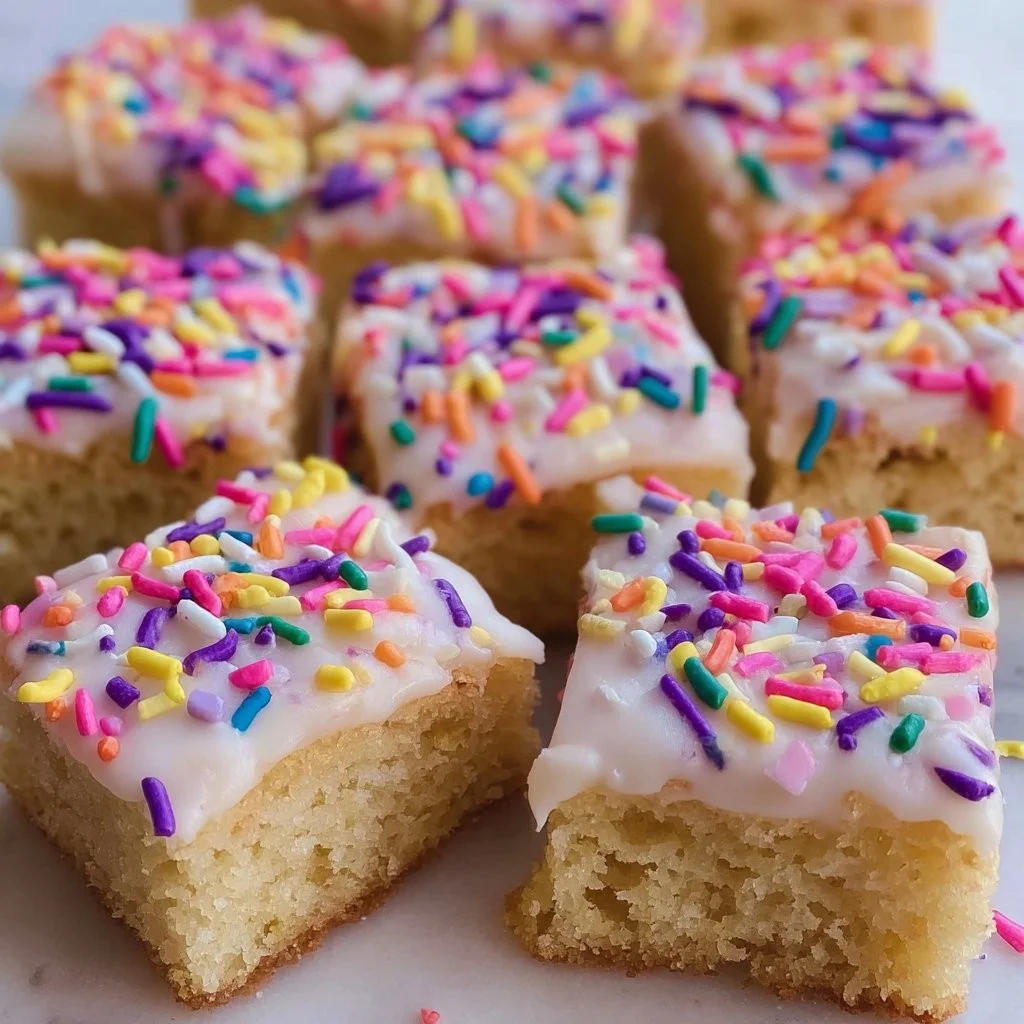
- Once cool, dust with icing sugar, or add a simple glaze: mix icing sugar with a little lemon juice or milk until pourable and drizzle over the top.
- Slice into squares or wedges and enjoy. If you like a richer presentation, split the cake and spread jam or curd between layers.
Tip: If you want a flakier top, place the cake on the middle rack so heat distributes evenly. If using a dark pan, reduce bake time by a few minutes as darker pans absorb more heat.
For a playful twist on presentation and texture, I sometimes adapt the filling ideas from other treats — for example, this black velvet cheesecake cookies inspiration influenced a cream-cheese dollop I once used between layers. It made the cake feel celebratory without making things complicated.
Common Mistakes to Avoid
There are a few easy missteps that can turn a cozy cake into a slightly frustrating one. Start with understanding these common mistakes and you’ll be miles ahead.
Mistake 1: Using cold butter
Cold butter won’t cream properly with the sugar, and that means less air in the batter and a denser cake. If your kitchen is chilly, warm the butter gently or plan ahead and leave it out an hour before baking.
Mistake 2: Overmixing the batter
Once the flour is added, mix only until combined. Overmixing develops gluten and makes the cake tough instead of tender. Use a spatula and fold patiently.
Mistake 3: Opening the oven early
Resist the urge to open the oven door in the first 20 minutes. Sudden temperature changes can cause the cake to collapse. Use the oven light if you want to check progress.
Serving Suggestions for School Cake
This cake is a blank canvas — simple, homey, and excellent with many accompaniments. Here are a few ways I like to present it depending on the mood.
Morning or tea-time slice
Serve warm with a pat of butter and a cup of tea or coffee. The warmth makes the cake extra comforting and it’s perfect for a slow morning.
Fruity and bright
Top with a spoonful of jam, fresh berries, and a sprinkle of toasted nuts for texture. A light lemon glaze over a bed of raspberries is one of my favorite bright variations.
Creamy and indulgent
Split the cake, spread vanilla custard or whipped cream between layers, and dust the top with icing sugar. It feels like a special-occasion cake without the fuss.
Conclusion
I hope this School Cake feels like an invitation to bake without pressure — it’s easier than it looks, wonderfully customizable, and very beginner-approved. If you want a classic British take with custard between layers for a retro twist, I found a lovely reference at British School Cake with Custard ~ Bake-Off Recipe! that inspired my jam-and-custard version. I’d love to hear how yours turns out — leave a comment or share a photo so we can swap tweaks and favorites.
FAQs About School Cake
Q1: How long will School Cake stay fresh?
A1: School Cake keeps well at room temperature for 2–3 days if wrapped in plastic or stored in an airtight container. For longer storage, refrigerate for up to 5 days (bring to room temperature before serving) or freeze slices in a sealed container for up to 2 months.
Q2: Can I use the School Cake batter in a loaf pan instead of a square pan?
A2: Yes — you can bake this School Cake batter in a loaf pan. Bake time will be longer (about 45–55 minutes). Use the toothpick test to confirm doneness.
Q3: Is the School Cake recipe suitable for freezing?
A3: Absolutely. Cool the cake completely, wrap it tightly in plastic wrap and then foil, or place slices in an airtight container. Thaw in the fridge or at room temperature, then freshen in a low oven for 5–10 minutes if desired.
Q4: Can I make School Cake dairy-free?
A4: Yes. Substitute dairy butter with a dairy-free spread or solid coconut oil (melted and cooled) and use a plant-based milk in a glaze if needed. Texture changes slightly but remains delicious.
Q5: How can I make School Cake more moist?
A5: For extra moisture, you can add a tablespoon of sour cream or yogurt to the batter, or brush the baked, warm cake with a simple syrup (equal parts sugar and water warmed until sugar dissolves) flavored with vanilla or citrus.
School Cake
- Total Time: 50 minutes
- Yield: 9 servings 1x
- Diet: Vegetarian
Description
A comforting, no-fuss cake that is easy to make, forgiving for beginners, and perfect for nostalgic cravings.
Ingredients
- 225 g (about 1 3/4 cups) all-purpose flour
- 225 g (1 cup + 2 tablespoons) granulated sugar
- 225 g (1 cup) unsalted butter, softened
- 4 large eggs, at room temperature
- 2 teaspoons baking powder
- 1 teaspoon vanilla extract
- Pinch of salt
- Icing sugar, for dusting
- Fresh or frozen berries (optional)
- Jam or fruit curd (optional)
- Chocolate chips (optional)
- Citrus zest (optional)
- Light glaze (optional)
- Toasted nuts (optional)
Instructions
- Preheat your oven to 180°C (350°F). Grease a 9-inch (23 cm) square or round pan and line the base with parchment paper.
- Soften the butter until pliable but not melted.
- Cream the butter and granulated sugar together until pale and fluffy, about 3–5 minutes.
- Add the eggs one at a time, beating well after each addition.
- Stir in the vanilla extract and optional add-ins like citrus zest if using.
- Combine the flour, baking powder, and salt in a separate bowl. Gradually add dry ingredients to the wet mixture, folding gently until just combined.
- Fold in any berries, chocolate chips, or nuts if using.
- Transfer the batter to the prepared pan and smooth the top with a spatula.
- Bake for 30–35 minutes or until a toothpick inserted comes out clean.
- Cool in the pan for 10–15 minutes before transferring to a wire rack to cool completely.
- Dust with icing sugar and serve, or add a simple glaze if desired.
Notes
For added moisture, you can brush the warm cake with a simple syrup. This cake can also be adapted with various fillings and toppings to suit different tastes.
- Prep Time: 15 minutes
- Cook Time: 35 minutes
- Category: Dessert
- Method: Baking
- Cuisine: British
Nutrition
- Serving Size: 1 slice
- Calories: 250
- Sugar: 12g
- Sodium: 150mg
- Fat: 12g
- Saturated Fat: 7g
- Unsaturated Fat: 4g
- Trans Fat: 0g
- Carbohydrates: 33g
- Fiber: 1g
- Protein: 3g
- Cholesterol: 85mg
Keywords: school cake, easy cake recipe, beginner baking