Last updated on February 19, 2026
A Sensory Prelude
There are few things as quietly intoxicating as the steam that rises when a plate of silky pasta meets briny, just-cooked seafood—sweet scallops, tender shrimp, and the faintly briny kiss of calamari—coated in a confident, creamy sauce spiked with sharp Parmesan and bright lemon. I know many home cooks hesitate here: is the seafood going to overcook, will the sauce turn grainy, can this feel restaurant-worthy without a long ingredient list or complicated technique? I promise this Seafood Carbonara brings that elevated, seaside-table feeling to your kitchen with minimal fuss, clear steps, and results that feel indulgent but entirely within reach.
A Quick Look at This Seafood Carbonara Recipe
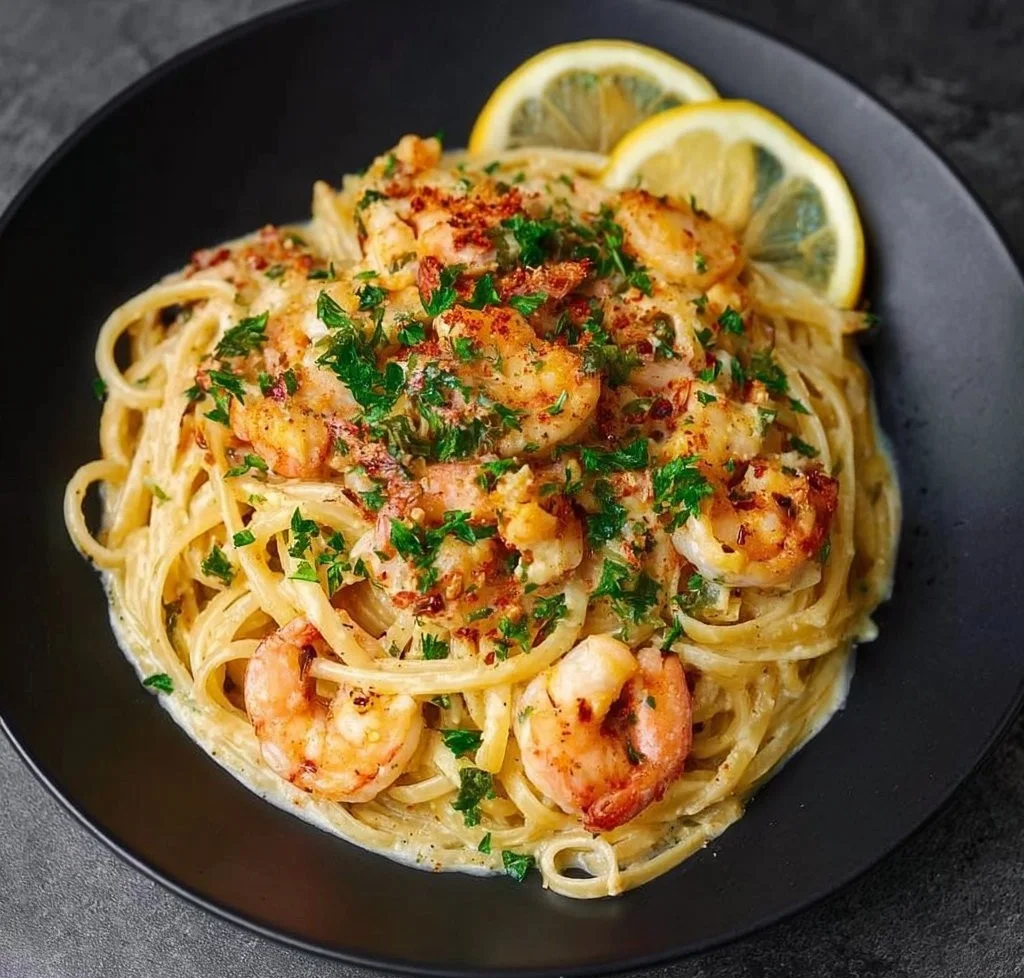
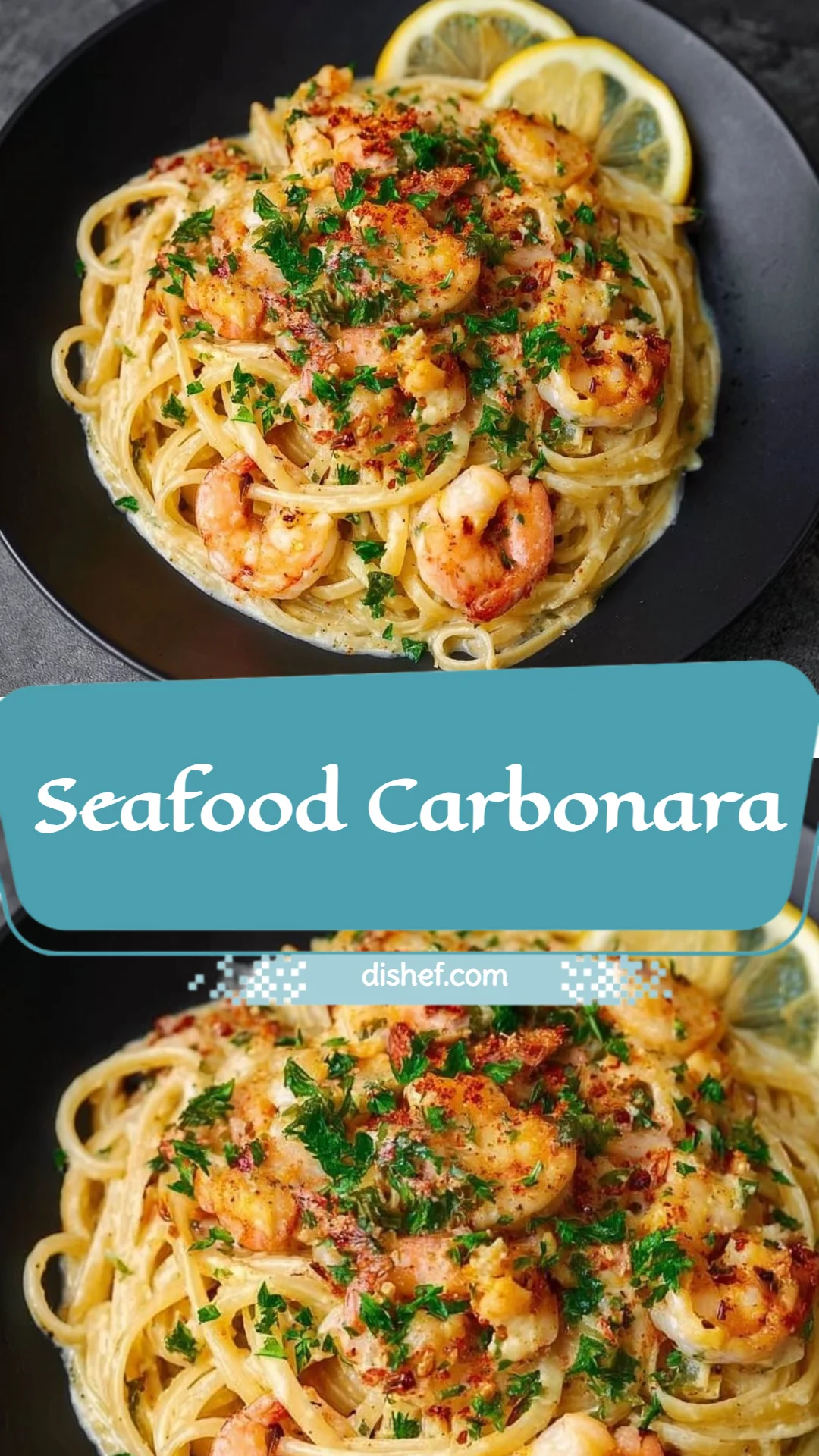
This Seafood Carbonara shines with two standout ingredients: a trio of fresh seafood (shrimp, scallops, calamari) for layered ocean flavor, and grated Parmesan that creates a lusciously savory, silky sauce. The dish presents beautifully—piled high, flecked with parsley, and finished with a hint of lemon zest—and it’s wonderfully versatile for weeknight dinners or intimate weekend suppers. Despite its restaurant-quality flavor, the method is straightforward and forgiving: quick sauté, gentle warming of cream, and a final toss with pasta and a reserved splash of starchy water. Read on and you’ll discover small technique notes that make a big difference in texture and taste.
Ingredients You’ll Need for Seafood Carbonara
Essentials
- 8 oz spaghetti or fettuccine — choose high-quality durum wheat pasta for firm bite (al dente texture is crucial).
- 1 cup shrimp, peeled and deveined — medium or large, fresh or thawed from frozen, raw for best texture.
- 1 cup scallops — dry-packed (not soaked) give the best sear and sweet flavor.
- 1 cup calamari, sliced into rings — tender, not rubbery, when cooked briefly.
- 2 cloves garlic, minced — for aromatic depth; use fresh for brightness.
- 1 cup heavy cream — the backbone of the silky sauce; full fat for richness and mouthfeel.
- 1 cup grated Parmesan cheese — freshly grated Parmesan melts into a glossy, savory sauce; don’t use pre-shredded if you can avoid it.
- 2 tbsp olive oil — a good extra-virgin for flavor when sautéing the garlic and seafood.
- Salt and freshly ground black pepper — taste as you go.
- Fresh parsley, chopped (for garnish) — adds color, freshness, and herbaceous lift.
Optional Add-ons
- Lemon zest — a final flourish that brightens the cream and complements seafood.
- Red pepper flakes — a pinch for subtle heat that balances creaminess.
- Frozen peas — quick to toss in for color and sweet pops of texture.
- Cherry tomatoes, halved — roasted or quickly sautéed for acidity and color.
- White beans (such as cannellini) — for a hearty twist and smooth, earthy contrast.
Substitutions and Shortcuts
- Pasta swap: Use linguine or bucatini if you prefer; whole-wheat or gluten-free pasta work too—just adjust cooking time to reach al dente.
- Seafood shortcuts: If fresh seafood is hard to find, high-quality frozen shrimp, scallops, and calamari work well—thaw in the refrigerator overnight and pat dry before cooking. Pre-cooked shrimp can be used, but add it late and gently to avoid toughness.
- Cheese alternative: Pecorino Romano can replace or be blended with Parmesan for a saltier, sharper edge; reduce added salt if using Pecorino.
- Cream lightening: For a lighter sauce, use half-and-half plus a teaspoon of beurre manié (equal parts butter and flour kneaded together) to thicken, though heavy cream yields the creamiest finish.
- Time saver: Use pre-minced garlic and pre-grated cheese in a pinch, but fresh ingredients deliver superior aroma and texture.
- One-pan approach: Cook pasta in a separate pot for best control, but if space is limited, you can cook seafood and sauce in a wide skillet and carefully finish with pasta—reserve pasta water regardless.
How to Make Seafood Carbonara Step-by-Step
- Salt the pasta water and cook the pasta
- Bring a large pot of water to a rolling boil and salt it generously—the water should taste like the sea. Add 8 oz of pasta and cook according to package instructions until just al dente; aim for a slight tooth to the bite because the pasta will finish in the sauce. Before draining, reserve 1/2 cup of the starchy pasta water; it’s your secret weapon for a glossy, silky sauce that clings to every strand.
- Gently sauté the garlic for aroma
- Heat 2 tablespoons of olive oil in a large, wide skillet over medium heat. Add the 2 minced garlic cloves and sauté until fragrant, about 30–45 seconds. You want the garlic to bloom and perfume the oil, not brown—browned garlic turns bitter and distracts from the delicate seafood.
- Cook the seafood quickly and with care
- Add the shrimp, scallops, and sliced calamari to the skillet in a single layer if possible. Sear for about 3–4 minutes, turning shrimp once and giving scallops a minute or two per side if they’re thick. Seafood cooks rapidly—watch for opaque flesh and firm but yielding texture. Overcooking will make it tough, so remove from heat as soon as everything turns opaque and holds its shape. If your skillet is crowded, work in batches to ensure even cooking and a light golden sear.
- Lower the heat and bring in the cream
- Reduce the skillet heat to medium-low, then pour in 1 cup of heavy cream. Stir to combine and allow the cream to warm gently for 1–2 minutes. This step is about marrying flavors—don’t let the cream simmer vigorously or it may separate. The goal is a gentle heat that lets the dairy integrate without breaking.
- Stir in Parmesan for a glossy sauce
- Gradually add 1 cup of freshly grated Parmesan cheese, whisking or stirring constantly until the sauce becomes silky and slightly thickened. Parmesan melts into cream to create a luxurious emulsion; adding it slowly prevents clumping. If the sauce is thicker than you’d like, stir in reserved pasta water, a tablespoon at a time, until you reach a smooth, clingy consistency.
- Season thoughtfully
- Taste and adjust seasoning with salt and freshly ground black pepper. Parmesan brings saltiness, so season sparingly at first and adjust after the cheese has melted. If using optional red pepper flakes or lemon zest, add them now to lift the flavors.
- Toss pasta with sauce and seafood
- Add the drained pasta directly into the skillet with the seafood and sauce. Toss gently but thoroughly to coat each strand, using tongs or two forks to lift and fold. If the sauce seems tight, add more reserved pasta water a splash at a time until the pasta is glossy and the sauce beautifully emulsified.
- Plate and finish with brightness
- Divide the Seafood Carbonara among warmed plates. Sprinkle with chopped fresh parsley for color and aroma, and offer lemon wedges on the side for anyone who wants a citrus lift. Serve immediately, while the sauce is creamy and the seafood warm—this dish rewards prompt plating.
Common Mistakes to Avoid
Everyone stumbles now and then; the key is to learn from each misstep and come away more confident. With Seafood Carbonara, three pitfalls tend to repeat themselves—each one is avoidable with small, mindful choices: timing, heat control, and a little patience with ingredients.
Mistake 1: Overcooking the seafood
Cooking seafood too long makes it rubbery or dry. I avoid this by cooking in small batches if necessary and watching closely—the shrimp should curl and firm, scallops should be golden on the outside and tender inside, and calamari only needs a short sear. Remove seafood from the pan as soon as it’s opaque and hold it gently while you finish the sauce.
Mistake 2: Letting the cream boil or the cheese seize
Vigorous boiling can break a cream-based sauce; the cheese can also clump if added to very hot cream. Keep the heat at medium-low when you add the cream, and stir Parmesan in gradually so it melts smoothly. If the sauce shows signs of splitting, whisk in a little reserved pasta water off heat to bring it back together.
Mistake 3: Skipping reserved pasta water
Many cooks overlook the simple power of starchy pasta water. That half-cup you set aside is essential for loosening and emulsifying the sauce—allowing it to cling to pasta rather than pool on the plate. Add it a tablespoon at a time to reach the ideal silky consistency.
Serving Suggestions for Seafood Carbonara
Seafood Carbonara feels elegant on the plate; serving it well is about balance—texture, color, and a finishing note that complements the cream and sea-sweet seafood. Keep things simple and thoughtful so that the dish remains the star.
Elegant plating and garnishes
I like to twirl the pasta high into nests and nestle the seafood on top so each plate shows off the scallops and shrimp. Finish with a scatter of finely chopped parsley, a feather of lemon zest, and a crack of black pepper. A few halved cherry tomatoes or a few blanched peas add color without overpowering the flavors.
Side dishes to balance richness
Pair this dish with crisp, bright sides to cut the richness: a simple arugula salad with lemon vinaigrette, shaved fennel tossed with olive oil and citrus, or grilled asparagus with a squeeze of lemon. A light, crusty bread is useful for mopping up sauce but try to keep sides restrained so the pasta remains the focus.
Occasion and ambiance
Seafood Carbonara works beautifully for a relaxed weeknight when you want something special, or for an intimate dinner party when you want to impress without stress. Light some candles, play soft music, and serve family-style so everyone can help themselves to seconds. The dish reads upscale but is convivial and approachable—perfect for both solo indulgence and shared celebration.
Conclusion
I love how Seafood Carbonara elevates simple pantry staples—pasta, cream, and cheese—by introducing fresh seafood and a few careful techniques to create a dish that looks and tastes restaurant-caliber. It’s flexible, forgiving, and full of contrast: creamy sauce against briny seafood, silky pasta against fresh parsley and lemon. If you want a reference or alternate take to inspire plating or ingredient variations, I often look to other well-crafted recipes for ideas; this Seafood Carbonara | Spoon Fork Bacon page is a tasteful example that complements the approach I teach here. Try this recipe once and you’ll see how quickly confidence grows—soon you’ll be making this Seafood Carbonara from memory, with your own personal flourishes.
FAQs About Seafood Carbonara
Q1: How long does Seafood Carbonara keep in the refrigerator?
- I recommend storing leftover Seafood Carbonara in an airtight container for no more than 1–2 days. Seafood is delicate, and the texture degrades with time. Reheat gently in a saucepan over low heat with a splash of water or cream to revive the sauce; avoid high heat which can overcook the seafood.
Q2: Can I make Seafood Carbonara ahead of time?
- You can prepare components ahead: cook and chill the pasta separately, and keep the seafood cold. Reheat briefly and finish the sauce just before serving for the best texture. I prefer finishing the dish fresh so the sauce remains silky and the seafood tender.
Q3: Is Seafood Carbonara suitable for a dinner party?
- Absolutely. Seafood Carbonara strikes a lovely balance between elegant and approachable. To reduce last-minute work, cook pasta and seafood slightly ahead and finish the sauce in the pan just before guests arrive. Present it family-style for effortless hospitality.
Q4: Can I use frozen seafood in Seafood Carbonara?
- Yes—high-quality frozen shrimp, scallops, and calamari work well if thawed properly (overnight in the fridge) and patted dry before cooking. Drying is essential to get a good sear and prevent steaming, which can make seafood rubbery.
Q5: How can I make Seafood Carbonara lighter without losing flavor?
- Swap half the heavy cream for low-fat milk or half-and-half and use a small beurre manié (butter+flour) to thicken slightly, or reduce the cream and add a splash of reserved pasta water to maintain gloss. Increase finishing touches—lemon zest, fresh herbs, and a scattering of peas or tomatoes—to enhance brightness without adding richness.
Seafood Carbonara
- Total Time: 45
- Yield: 4 servings 1x
- Diet: Seafood, High Protein
Description
An indulgent Seafood Carbonara featuring fresh shrimp, scallops, and calamari in a creamy Parmesan sauce.
Ingredients
- 8 oz spaghetti or fettuccine
- 1 cup shrimp, peeled and deveined
- 1 cup scallops
- 1 cup calamari, sliced into rings
- 2 cloves garlic, minced
- 1 cup heavy cream
- 1 cup grated Parmesan cheese
- 2 tbsp olive oil
- Salt and freshly ground black pepper
- Fresh parsley, chopped (for garnish)
- Lemon zest (optional)
- Red pepper flakes (optional)
- Frozen peas (optional)
- Cherry tomatoes, halved (optional)
- White beans (optional)
Instructions
- Bring a large pot of salted water to a boil and cook pasta until al dente, reserving 1/2 cup of pasta water before draining.
- Heat olive oil in a skillet over medium heat and sauté minced garlic until fragrant.
- Add shrimp, scallops, and calamari to the skillet and sear until cooked through, about 3–4 minutes.
- Reduce heat and stir in heavy cream, warming gently without boiling.
- Gradually add grated Parmesan cheese, stirring until the sauce becomes silky.
- Season with salt and pepper, and add optional ingredients as desired.
- Toss cooked pasta with the sauce and seafood, adding reserved pasta water as needed.
- Plate and garnish with parsley and lemon wedges; serve immediately.
Notes
Serve with lemon wedges for added brightness. For best results, avoid overcooking seafood and don’t let the cream boil.
- Prep Time: 15
- Cook Time: 30
- Category: Main Course
- Method: Sautéing
- Cuisine: Italian
Nutrition
- Serving Size: 1 serving
- Calories: 400
- Sugar: 3g
- Sodium: 450mg
- Fat: 20g
- Saturated Fat: 10g
- Unsaturated Fat: 8g
- Trans Fat: 0g
- Carbohydrates: 45g
- Fiber: 2g
- Protein: 25g
- Cholesterol: 60mg
Keywords: Seafood, Pasta, Carbonara, Italian, Quick Dinner, Comfort Food