Last updated on February 19, 2026
I can still smell the butter and toasted panko from the first time I served a silky, lobster‑kissed mac and cheese to friends—warm, briny bites of shellfish folded into a deeply savory cheddar-Gruyère sauce, finished with a squeeze of lemon that brightens every forkful. I know the hesitation: seafood sounds delicate, roux-based sauces feel a little fussy, and you don’t want rubbery shrimp or a grainy sauce on the table. That’s precisely why I designed this Seafood Mac and Cheese to be approachable yet restaurant-worthy—simple techniques, clear timing, and a few reassuring tricks will have you plating glossy, comforting bowls that taste far more complicated than they are. If you need dietary adaptations, I also recommend this helpful family gluten-free mac and cheese recipe as a guide to making the dish inclusive and just as indulgent: family gluten-free mac and cheese recipe.
A Quick Look at This Seafood Mac and Cheese Recipe
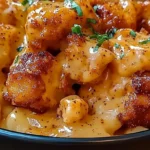
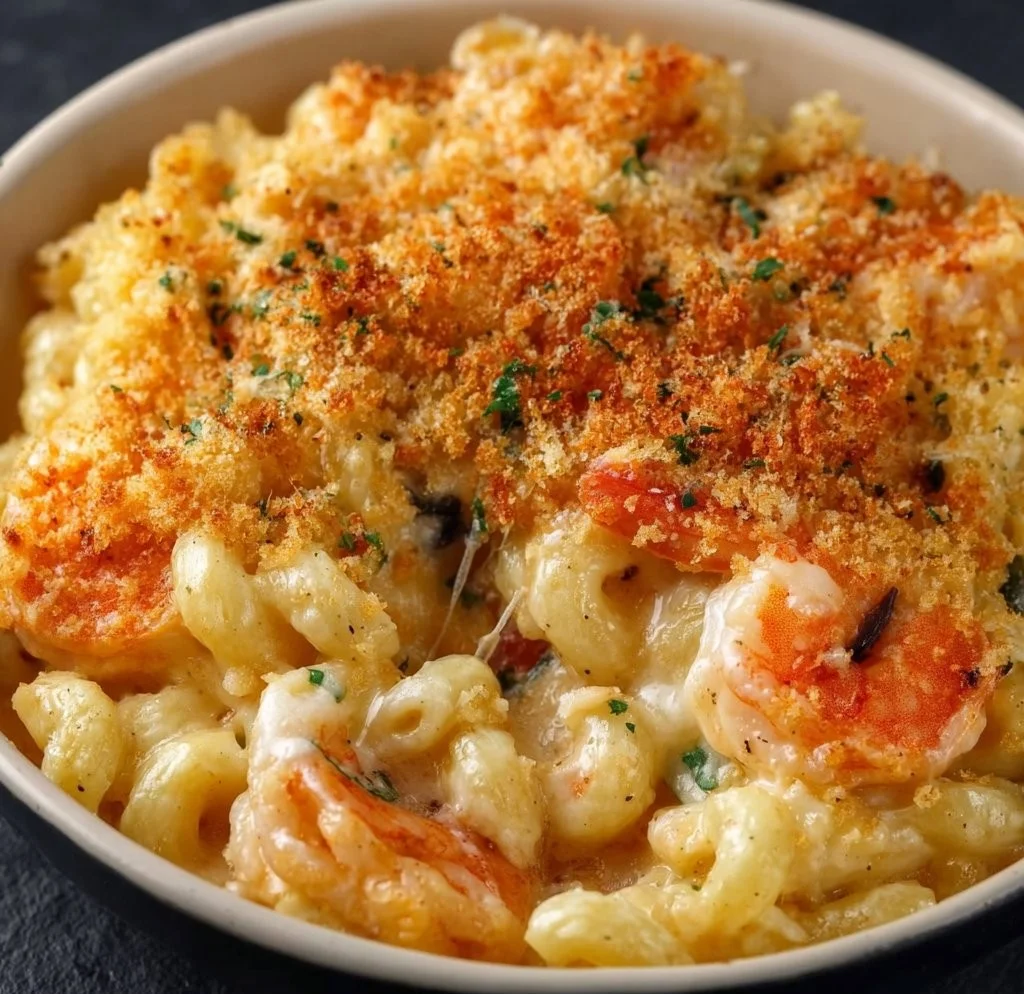
This Seafood Mac and Cheese pairs bright, briny seafood—shrimp, scallops, and lump crab—with a luxuriously creamy cheese sauce built from sharp cheddar, nutty Gruyère, and aged Parmesan. The Old Bay (or smoked paprika with a pinch of cayenne) adds a gentle coastal warmth that complements the ocean flavors without overpowering them. It’s a show-stopping centerpiece for entertaining, yet adaptable enough for a weeknight when you want to make something special. Home cooks will appreciate the straightforward steps—cook pasta to al dente, sear the seafood, make a confident roux, and combine—so you get depth of flavor without complicated technique. Keep reading for tips on timing, seafood handling, and a crisp breadcrumb topping that elevates texture and presentation.
Ingredients You’ll Need for Seafood Mac and Cheese
Essentials
- 1 lb (450 g) elbow macaroni or cavatappi — Cavatappi clings to sauce beautifully; elbow is classic and forgiving.
- 1 Tbsp salt (for boiling water) — Season the pasta water generously; it’s the first chance to flavor the dish.
- 4 Tbsp unsalted butter — For the roux; unsalted lets you control the seasoning.
- 1/4 cup all-purpose flour — The thickening backbone of a silky béchamel-style cheese sauce.
- 4 cups whole milk (warmed) — Warming the milk prevents a lumpy sauce and keeps the temperature steady.
- 1 cup heavy cream — Adds richness and a glossy finish.
- 2 tsp Dijon mustard — Builds depth and helps the cheese emulsify.
- 1 tsp Old Bay seasoning (or 1 tsp paprika + a pinch cayenne) — The signature coastal flavor; use the alternative if you prefer to control heat and smokiness.
- 1/2 tsp garlic powder — For subtle aroma without raw garlic harshness.
- 1/2 tsp salt (adjust to taste) — Fine-tune after the cheeses are melted.
- 1/4 tsp black pepper — Freshly ground is best.
- 2 cups sharp cheddar cheese (shredded) — Sharp cheddar gives tang and structure.
- 1 cup Gruyère cheese (shredded) or Swiss — For meltability and a slightly nutty, creamy profile.
- 1/2 cup Parmesan cheese (grated) — Adds umami and savory bite.
- 1/2 lb (225 g) shrimp, peeled and deveined — Medium to large size is easiest to watch while cooking.
- 1/2 lb (225 g) lump crab meat (or imitation crab) — Gently folded in to keep lumps intact and luxurious.
- 1/2 lb (225 g) scallops — Adds a tender, sweet counterpoint to the shrimp and crab.
- 1 Tbsp olive oil or butter — For searing the seafood.
- Pinch of salt & pepper — For seasoning the seafood.
Optional Add-ons
- 1 cup panko breadcrumbs — For a golden, crunchy topping when baking.
- 2 Tbsp butter (melted) — Mix with panko for toasting and color.
- 2 Tbsp Parmesan cheese (optional) — Stirred into panko for extra savory crunch.
- 1 cup frozen peas — Pops of color and subtle sweetness—stir in at the end.
- 1/2 cup finely chopped spinach — Wilted into the sauce for color and nutrition.
- 1–2 Tbsp chopped fresh parsley or chives — For brightness at the finish.
- Lemon wedges — Essential for finishing; a squeeze lifts the richness.
Substitutions and Shortcuts
- Pasta: If cavatappi or elbows aren’t available, shells, penne, or fusilli are excellent substitutes—choose a shape with nooks for sauce. For a gluten-free version, use a high-quality brown rice or corn-based pasta and follow the linked family gluten-free mac and cheese guidance: family gluten-free mac and cheese recipe.
- Dairy: For a slightly lighter dish, use 2% milk in place of whole milk and reduce heavy cream to 1/2 cup; the sauce will be less silk-smooth but still rich. For lactose-sensitive eaters, lactose-free milk and cream alternatives may work, but check meltability of cheeses.
- Cheeses: If Gruyère isn’t available, Swiss is a direct swap; Monterey Jack can give a milder, creamier profile. Avoid pre-shredded cheeses when possible—they contain anti-caking agents that can affect smooth melting.
- Seafood: Use what’s freshest or on sale—small lobster chunks, firm white fish, or a medley of shrimps and mussels can all work. If using frozen seafood, thaw gently and pat dry to prevent excess water in the sauce.
- Time-savers: Pre-shredded cheeses and pre-cooked seafood (like cold smoked salmon or pre-steamed shrimp) speed assembly—heat gently to incorporate without overcooking. For a quicker bake, assemble directly in a skillet-safe dish and finish under the broiler for 3–5 minutes to toast breadcrumbs.
How to Make Seafood Mac and Cheese Step-by-Step
I outline this process like a well-paced dinner service—simple stations, small moments of attention, and a confident finish.
- Cook the pasta
- Bring a large pot of salted water to a rolling boil (use about 1 tablespoon of salt per 4–6 quarts). Add the pasta and cook until just al dente—about 1–2 minutes less than package directions. Al dente pasta finishes in the oven or with the sauce and keeps a pleasant bite. Reserve a ladle of pasta water in case the sauce needs loosening, then drain the pasta and set it aside in the pot to keep warm.
- Sear the seafood
- Heat 1 tablespoon of olive oil or butter in a large skillet over medium-high heat until shimmering. Pat the shrimp and scallops very dry; moisture is the enemy of a good sear. Season lightly with salt and pepper and sear the scallops and shrimp in small batches—about 1–2 minutes per side, until just opaque and golden at the edges. Remove them to a plate immediately. Add the lump crab meat at the end and warm it gently in the skillet for 30–60 seconds—crab is delicate and only needs to be heated through, not browned. Setting the seafood aside prevents overcooking while you finish the sauce.
- Make the cheese sauce
- In a medium saucepan set over medium heat, melt 4 tablespoons unsalted butter. Sprinkle in 1/4 cup flour and whisk constantly for about 1–2 minutes to cook out the raw flour taste; this forms a pale roux that thickens the sauce without coloring it. Gradually whisk in warmed milk and heavy cream a little at a time, keeping the mixture silky. Bring to a gentle simmer—do not boil vigorously. Add 2 teaspoons Dijon mustard, 1 teaspoon Old Bay (or paprika + cayenne), 1/2 teaspoon garlic powder, 1/2 teaspoon salt, and 1/4 teaspoon black pepper. Simmer until the sauce thickens and coats the back of a spoon, about 3–5 minutes. Reduce heat to low and add the shredded cheddar, Gruyère, and 1/2 cup grated Parmesan in batches, stirring until each addition melts into a creamy, glossy sauce. Taste and adjust seasoning; a skim of lemon juice at this point can brighten the base.
- Combine pasta and seafood with the sauce
- Fold the drained pasta into the warm cheese sauce so every curve is coated. Gently fold in the cooked shrimp, scallops, and lump crab—use a light touch to keep crab lumps intact. If using peas or chopped spinach, fold them in now; the residual heat will cook them through. If the sauce feels too thick, add a splash of reserved pasta water until you reach a luxurious, saucy consistency.
- Serve as-is or finish in the oven
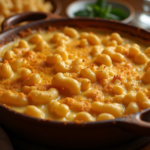
- For an indulgent presentation, spoon the mac and cheese into a buttered 9×13-inch baking dish. Mix 1 cup panko breadcrumbs with 2 tablespoons melted butter and 2 tablespoons Parmesan, then scatter evenly over the surface. Bake at 375°F (190°C) for about 20 minutes, until the topping is golden and the edges bubble. If you prefer a quicker crunch, broil for 3–5 minutes under careful watch. Garnish with chopped parsley or chives and serve immediately with lemon wedges for brightness.
- Enjoy!
- Plate generous portions and encourage diners to squeeze lemon over each serving—this small acid lift changes the whole experience. I like to offer extra cracked black pepper and a sprinkle of additional Parmesan at the table.
Common Mistakes to Avoid
Cooking well is mostly about avoiding a few predictable errors. I see the same missteps often: rushing the sauce, overcrowding the pan with seafood, or under-seasoning. Each is easy to diagnose and fix, and once you know the signs, the recipe becomes reliably excellent.
Mistake 1: Overcooking the seafood
Shrimp and scallops go from opaque and tender to rubbery in moments. Pat seafood very dry and sear in hot oil in small batches. Remove them while they still have a little translucence at the center; they’ll finish cooking in the warm sauce and oven.
Mistake 2: A grainy or curdled sauce
Adding cold cheese to a hot sauce or letting the sauce boil vigorously can cause separation. Keep the sauce at a gentle simmer, remove it from high heat before adding cheeses, and stir in cheeses a handful at a time until smooth. Warm milk before adding to the roux to avoid temperature shocks.
Mistake 3: Under-seasoning at the beginning
A bland pasta or sauce is rarely saved by finishing garnishes. Salt your pasta water well and season the roux-sauce in stages, tasting as you go. Remember that cheeses add salt too, so adjust after melting them rather than before.
Serving Suggestions for Seafood Mac and Cheese
Seafood mac and cheese is rich and indulgent, so I balance it with bright, textural, and seasonal accompaniments. A few thoughtful sides and the right plating turn this comfort dish into a dinner you’d happily serve guests.
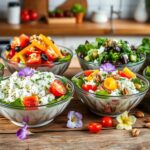
Suggestion 1: Light salad for brightness
A crisp salad of peppery arugula, shaved fennel, and a lemon‑anchored vinaigrette cuts through the richness. The acidity refreshes the palate and lets the seafood shine.
Suggestion 2: Roasted or steamed vegetables
Simply roasted asparagus or lemony green beans add warmth and a clean vegetal note. Cook them with a little olive oil, salt, and a hint of garlic to keep flavors straightforward.
Suggestion 3: Elegant plating and finishing touches
Serve individual portions in shallow ramekins or a warm baking dish. Finish with chopped parsley or chives, a few grinds of black pepper, and lemon wedges. For a more festive table, place a small bowl of extra panko at the center for those who like extra crunch.
Conclusion
I hope this Seafood Mac and Cheese becomes one of those comforting, celebratory recipes you reach for when you want to impress without the fuss. With simple technique—patting seafood dry, making a gentle roux, and melting cheeses slowly—you get a luxuriously smooth sauce and tender shellfish every time. The recipe is forgiving: swap in seasonal vegetables, try different shells or cheeses, and adapt to dietary needs with the gluten-free approach I mentioned earlier. If you’re looking for another inspiring coastal macaroni tradition, I often return to The Wicked Noodle’s Seafood Mac and Cheese for a slightly different take on topping and seasoning ideas—it’s a lovely companion resource.
FAQs About Seafood Mac and Cheese
Q1: How long does Seafood Mac and Cheese keep in the refrigerator?
A1: Seafood Mac and Cheese will keep for up to 2 days refrigerated in an airtight container. Seafood is delicate—if you plan to store leftovers, I recommend separating the pasta from any extra breadcrumb topping and reheat gently in a low oven (300°F) or covered in a skillet with a splash of milk to restore creaminess.
Q2: Can I freeze Seafood Mac and Cheese?
A2: I don’t recommend freezing the finished dish with seafood because the texture of shrimp and scallops can degrade after freezing and reheating. If you want to plan ahead, freeze the cheese sauce and pasta without seafood, and add fresh or thawed seafood when reheating for best results.
Q3: Is Seafood Mac and Cheese safe for dinner parties if I prepare it ahead?
A3: Absolutely. You can cook the pasta, make the sauce, and sear the seafood earlier in the day. Combine everything and refrigerate. Before serving, bring to room temperature, pulse in a little warm milk if needed, top with breadcrumbs, and bake until bubbly—this saves frantic prep and keeps flavors bright.
Q4: What’s the best way to get a crunchy topping on Seafood Mac and Cheese?
A4: The most reliable topping is panko tossed with melted butter and a bit of Parmesan. For extra depth, toast the panko lightly in a skillet before sprinkling on the mac and cheese. Finish under a hot broiler for 2–4 minutes to brown—watch carefully to avoid burning.
Q5: Can I make Seafood Mac and Cheese dairy-free or vegetarian?
A5: For dairy-free, use a creamy plant-based milk and a dairy-free butter substitute, and choose a high-quality vegan melting cheese—results can vary, so test before serving guests. For a vegetarian version that keeps the sea flavor, try smoked, roasted mushrooms and zesty capers in place of shellfish for an umami-rich, satisfying alternative.
Seafood Mac and Cheese
- Total Time: 45 minutes
- Yield: 4 servings 1x
- Diet: Pescatarian
Description
A luxurious Seafood Mac and Cheese with shrimp, scallops, and lump crab in a creamy cheese sauce, topped with crunchy panko.
Ingredients
- 1 lb (450 g) elbow macaroni or cavatappi
- 1 Tbsp salt (for boiling water)
- 4 Tbsp unsalted butter
- 1/4 cup all-purpose flour
- 4 cups whole milk (warmed)
- 1 cup heavy cream
- 2 tsp Dijon mustard
- 1 tsp Old Bay seasoning (or 1 tsp paprika + a pinch cayenne)
- 1/2 tsp garlic powder
- 1/2 tsp salt (adjust to taste)
- 1/4 tsp black pepper
- 2 cups sharp cheddar cheese (shredded)
- 1 cup Gruyère cheese (shredded) or Swiss
- 1/2 cup Parmesan cheese (grated)
- 1/2 lb (225 g) shrimp, peeled and deveined
- 1/2 lb (225 g) lump crab meat
- 1/2 lb (225 g) scallops
- 1 Tbsp olive oil or butter
- Pinch of salt & pepper
- 1 cup panko breadcrumbs (optional)
- 2 Tbsp butter (melted, optional)
- 2 Tbsp Parmesan cheese (optional)
- 1 cup frozen peas (optional)
- 1/2 cup finely chopped spinach (optional)
- 1–2 Tbsp chopped fresh parsley or chives (optional)
- Lemon wedges (for serving)
Instructions
- Cook the pasta in a large pot of boiling salted water until just al dente; drain and set aside.
- In a skillet, heat olive oil or butter and sear the shrimp, scallops, and lump crab until just cooked; set aside.
- Make the cheese sauce by melting butter, whisking in flour, then gradually adding warmed milk and heavy cream; simmer and add seasonings.
- Stir in the cheeses until melted and smooth; adjust seasoning.
- Fold the pasta and seafood into the cheese sauce.
- For a baked version, transfer to a baking dish, top with a mixture of panko, melted butter, and Parmesan, and bake until golden.
- Serve with lemon wedges and garnish with parsley or chives.
Notes
For gluten-free, use a gluten-free pasta; for a lighter dish, substitute 2% milk and reduce heavy cream.
- Prep Time: 15 minutes
- Cook Time: 30 minutes
- Category: Main Course
- Method: Baking
- Cuisine: American
Nutrition
- Serving Size: 1 serving
- Calories: 650
- Sugar: 6g
- Sodium: 600mg
- Fat: 36g
- Saturated Fat: 20g
- Unsaturated Fat: 14g
- Trans Fat: 0g
- Carbohydrates: 50g
- Fiber: 4g
- Protein: 30g
- Cholesterol: 100mg
Keywords: mac and cheese, seafood, comfort food, creamy, baked pasta