Last updated on February 4, 2026
##Introduction
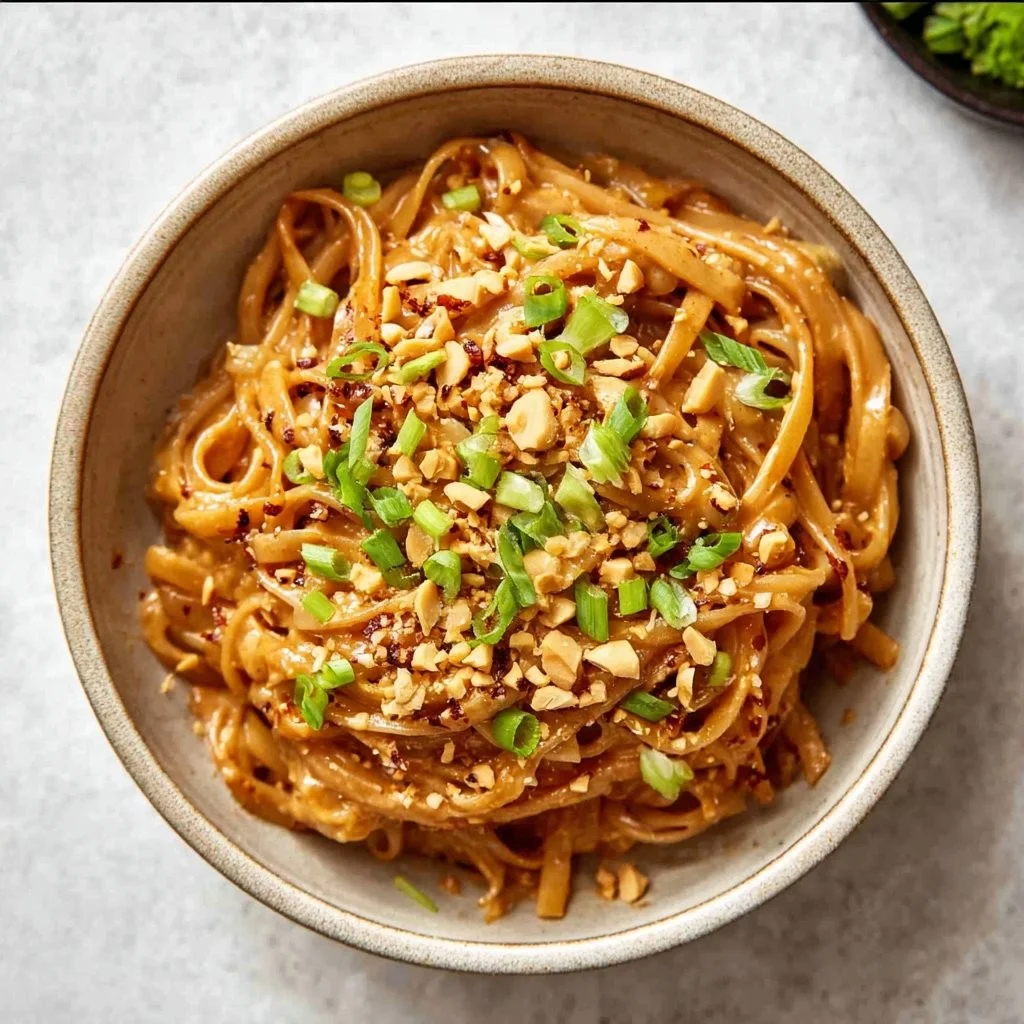
Have you ever come home craving something both comforting and a little naughty—like noodles draped in a silky, spicy peanut sauce—but felt intimidated by a recipe that looked fancier than your evening energy allowed? I remember the first time I tried a peanut noodle recipe and burned the garlic because I rushed the pan; the smoke alarm and I became unlikely dinner guests that night. If you’re new to sauces or worried about balancing heat and sweetness, don’t fret: this Spicy Peanut Butter Noodles recipe is forgiving, quick, and made for busy weeknights. If you love easy peanutty treats, you might also enjoy this simple snack recipe I like to make for lunchboxes: 3-Ingredient Peanut Butter Cheerio Bars.
##A Quick Look at This Spicy Peanut Butter Noodles Recipe
This Spicy Peanut Butter Noodles dish delivers a balance of macronutrients and plant-forward goodness. It’s a good source of plant protein from peanut butter and optional tofu or edamame, and fiber from brown rice noodles and added vegetables. The recipe is naturally low in added sugars when you keep maple syrup to the lower end, and it’s rich in healthy fats (from toasted sesame and peanut butter) and minerals like magnesium and iron. Because the ingredients are flexible, you can make it higher in protein, more fiber-rich, or lighter in calories—perfect for meal prep, quick lunches, or a comforting weeknight dinner that still fits a health-conscious routine.
##Ingredients You’ll Need for Spicy Peanut Butter Noodles
Essentials
- 16 ounces brown rice noodles (whole grain or gluten-free option; source of fiber)
- 2/3 cup creamy peanut butter (low- or no-salt preferred for better sodium control)
- 4 tablespoons low-sodium tamari or soy sauce (umami and sodium control)
- 1 tablespoon fresh grated ginger (bright flavor, anti-inflammatory phytonutrients)
- 3 large cloves garlic, minced
- 1 tablespoon neutral oil (avocado, sunflower, or other high-heat oil)
- 1 tablespoon rice vinegar (acid to balance the richness)
- 1 tablespoon toasted sesame oil (aroma and depth)
- 1–2 tablespoons sriracha (adjust for spice tolerance)
- 1–2 tablespoons maple syrup (natural sweetener to balance heat)
- 1/3–1 cup hot water (to thin the sauce to your preferred consistency)
- 1/2 teaspoon red pepper flakes (optional — extra heat)
- 2 teaspoons chili garlic sauce (optional — for a garlicky kick)
- Salt and freshly ground black pepper, to taste
Optional add-ons
- Crushed or chopped roasted peanuts (for crunch and extra protein)
- Sliced scallions (freshness)
- Toasted sesame seeds (texture and flavor)
- Steamed or blanched vegetables: broccoli, snap peas, carrots, bok choy, bell peppers (fiber, vitamins)
- Fresh herbs: cilantro or Thai basil (bright finish)
- Lime wedges (acid for brightness)
- Firm tofu, cubed and pan-seared or baked (additional plant protein)
- Edamame (shelled; quick protein boost)
Substitutions and shortcuts
- Brown rice noodles: swap with whole-wheat spaghetti or soba noodles if you’re not gluten-sensitive. For a lower-carb option, use spiralized zucchini or shirataki noodles, but check cooking directions carefully.
- Peanut butter: almond butter or sunflower seed butter (for nut-free) both work—expect subtle flavor differences.
- Tamari/soy: coconut aminos are a lower-sodium, soy-free alternative.
- Maple syrup: honey (if not vegan) or a touch of agave syrup can replace maple syrup.
- Sriracha & chili garlic sauce: use chili flakes + a dash of hot sauce if you don’t have those on hand.
- To save time: buy pre-minced ginger and garlic, or use a microplane and jarred ginger paste; purchase pre-steamed veggies or frozen edamame.
- Make it protein-forward quickly: stir in a can of rinsed chickpeas or pre-cooked rotisserie chicken (if not vegetarian) for an effortless upgrade.
If you like layering peanut flavors into snacks and treats, you might appreciate how peanut butter behaves in both sweet and savory recipes; for a gooey dessert idea, try this layered peanut butter chocolate bar for inspiration: 7-Layer Reeses Bars.
##How to Make Spicy Peanut Butter Noodles Step-by-Step
I like to keep this recipe approachable, so each step aims to protect flavor and nutrients while saving time.
Prep first
- Grate the ginger, mince the garlic, and measure the peanut butter, tamari, vinegar, oils, and sweetener. If you’re adding vegetables, chop or shred them so everything cooks quickly and evenly.
- Why this matters: prepping ahead prevents overcooking garlic and helps retain crunch and color in veggies, preserving both nutrients and appearance.
Cook the noodles
- Bring a large pot of salted water to a boil. Cook the brown rice noodles according to package directions—usually 4–8 minutes depending on thickness.
- Drain and, if serving cold or room temperature, rinse briefly under cool water to stop the cooking. If serving hot, skip the rinse to keep the sauce clinging to the noodles.
- Tip: Slightly undercook noodles by 30–60 seconds if you plan to toss them with hot sauce and vegetables; they’ll finish cooking briefly in the warm sauce.
Gently sauté aromatics
- In a small skillet over low heat, warm 1 tablespoon neutral oil. Add minced garlic and sauté 1–2 minutes until soft and lightly golden; avoid browning to prevent bitterness.
- Add grated ginger and sauté another 30–60 seconds until fragrant. Remove from heat immediately to keep the flavors bright.
- Nutrient note: Quick, low-heat cooking preserves garlic’s volatile compounds and keeps ginger bright without burning.
Whisk the sauce
- In a medium bowl combine 2/3 cup peanut butter, 4 tablespoons tamari, 1 tablespoon rice vinegar, 1 tablespoon toasted sesame oil, 1–2 tablespoons sriracha, 1–2 tablespoons maple syrup, red pepper flakes (if using), and 2 teaspoons chili garlic sauce (if using).
- Pour in 1/3 cup hot water and whisk until smooth. Add more hot water a tablespoon at a time until you reach a silky, pourable consistency—some like it thicker, some love a looser sauce for coating.
- Taste and adjust: more tamari for saltiness, more maple syrup for sweetness, more vinegar for brightness, or an extra splash of sriracha if you like it fiery.
Combine and finish
- In a large bowl or the pot you cooked the noodles in, return the warm noodles and pour half the sauce over them. Toss gently to coat. Add hot steamed vegetables now so they warm through without getting soggy.
- If using raw crunchy vegetables (e.g., shredded carrots, thin bell pepper strips), add them after tossing or keep them raw as a fresh contrast.
- Plate the noodles and spoon on remaining sauce as desired. Garnish with crushed peanuts, scallions, sesame seeds, fresh herbs, and a lime wedge.
Optional protein
- If using tofu: press and cube firm tofu, toss with a little oil and tamari, then pan-sear until golden. Add to the noodles at the end for a warm protein boost.
- If using edamame: simply steam frozen shelled edamame and fold into the bowl for color and texture.
Storage and reheating
- Store leftovers in an airtight container in the fridge for up to 3–4 days. If sauce thickens, stir in a tablespoon or two of hot water when reheating to loosen it.
- For meal prep bowls, pack sauce separately to keep noodles and veggies at their best, especially if you plan to eat the dish chilled.
Nutrition-preserving tips
- Steam or blanch vegetables briefly to keep them bright, crunchy, and full of vitamins.
- Avoid high heat when cooking garlic and ginger; quick, gentle cooking preserves flavor and minimizes nutrient loss.
- Use low-sodium tamari and reduced-salt peanut butter to manage sodium while keeping the satisfying nutty profile.
##Common Mistakes to Avoid
This recipe is forgiving, but a few small missteps can dull the flavors or upset the texture. Here are the most common pitfalls and how I handle them.
Mistake 1: Overcooking the garlic or ginger
When garlic or ginger is browned or burnt, the sauce can taste bitter. Keep heat low, and remove aromatics from the pan as soon as they’re fragrant. I often take the skillet off the heat the moment the ginger blooms; residual warmth finishes the job without burning.
Mistake 2: Sauce too thick or too thin
Peanut sauces can go from glossy to gloppy very quickly. Start with 1/3 cup hot water and add more a tablespoon at a time until you reach the texture you like. If the sauce gets too thin, whisk in a bit more peanut butter, or briefly warm the sauce to help it thicken slightly.
Mistake 3: Serving everything straight from the fridge
Cold noodles and refrigerated sauce don’t meld well. If serving hot, ensure noodles are warm or the sauce is gently warmed so it coats evenly. If serving chilled, rinse the noodles well after cooking to stop them from sticking and let everything cool before tossing.
##Serving Suggestions for Spicy Peanut Butter Noodles
This dish sits at the intersection of comfort and nutrition; it’s versatile enough for a light lunch or a hearty dinner.
If you want a quick weeknight bowl, keep the toppings minimal and focus on balance: protein, veggies, and a bright acid. For a more social meal, offer a toppings bar so everyone can customize their bowl.
Protein-forward bowl
Add cubed pan-seared tofu or roasted chickpeas and extra edamame to turn the noodles into a satiating, balanced meal that supports muscle repair and long-lasting fullness.
Veg-forward bowl
Pile on steamed broccoli, snap peas, shredded carrots, and juicy bell pepper slices. The variety of textures keeps the bowl interesting, and the vegetables add fiber, vitamins A and C, and a pleasing crunch.
Light lunch or meal-prep option
Serve the noodles chilled with just a handful of scallions, a squeeze of lime, and a sprinkle of crushed peanuts. Pack the sauce separately for travel-friendly meal prep that stays fresh and vibrant until lunchtime.
##Conclusion
I love recipes that feel indulgent but belong in a health-conscious kitchen, and these Spicy Peanut Butter Noodles do just that—simple, adaptable, and reliably delicious. Whether you’re throwing together a quick weeknight meal, packing a protein-rich lunch, or serving friends with varied tastes, this recipe scales and adapts. For another take or inspiration, I sometimes cross-reference other versions to tweak heat and texture; one recipe I like to glance at for comparison is Eat With Clarity’s Spicy Peanut Butter Noodles. Try it your way, and enjoy the cozy comfort of peanutty warmth.
##FAQs About Spicy Peanut Butter Noodles
Q1: How long do Spicy Peanut Butter Noodles keep in the fridge?
A1: Spicy Peanut Butter Noodles will keep in an airtight container for 3–4 days. If you stored them with the sauce mixed in, you may need to stir in a splash of hot water when reheating to loosen the sauce. For best texture, store sauce separately if you plan to eat the dish cold or take it for lunch.
Q2: Can I make Spicy Peanut Butter Noodles gluten-free?
A2: Yes. Use certified gluten-free brown rice noodles and choose tamari that’s labeled gluten-free (regular soy sauce often contains wheat). Coconut aminos are another gluten-free alternative to soy sauce, though the flavor is slightly different.
Q3: Are Spicy Peanut Butter Noodles suitable for meal prep?
A3: Absolutely. Pack noodles and vegetables separately from sauce if you’ll eat them later in the week to prevent sogginess. Keep proteins like seared tofu or roasted chickpeas in separate containers and combine when you’re ready to eat for optimal texture.
Q4: How can I reduce the calories or fat in Spicy Peanut Butter Noodles without losing flavor?
A4: To trim calories, use a bit less peanut butter and increase umami with a splash more tamari and a squeeze of lime. Add more bulk with vegetables and edamame to keep the bowl satisfying. You can also choose lower-fat nut butters or thin the sauce with hot water and extra rice vinegar to maintain flavor.
Q5: What are the best toppings for Spicy Peanut Butter Noodles?
A5: Classic toppings that complement Spicy Peanut Butter Noodles include crushed roasted peanuts for crunch, sliced scallions for freshness, toasted sesame seeds for nuttiness, and lime wedges for brightness. Fresh herbs like cilantro or Thai basil add a fragrant finish, and a handful of steamed greens makes it more nutrient-dense.
Spicy Peanut Butter Noodles
- Total Time: 30 minutes
- Yield: 4 servings 1x
- Diet: Vegetarian
Description
A quick and forgiving recipe for Spicy Peanut Butter Noodles that balances comfort and nutrition, perfect for busy weeknights.
Ingredients
- 16 ounces brown rice noodles
- 2/3 cup creamy peanut butter
- 4 tablespoons low-sodium tamari or soy sauce
- 1 tablespoon fresh grated ginger
- 3 large cloves garlic, minced
- 1 tablespoon neutral oil
- 1 tablespoon rice vinegar
- 1 tablespoon toasted sesame oil
- 1–2 tablespoons sriracha
- 1–2 tablespoons maple syrup
- 1/3–1 cup hot water
- 1/2 teaspoon red pepper flakes (optional)
- 2 teaspoons chili garlic sauce (optional)
- Salt and freshly ground black pepper, to taste
- Crushed or chopped roasted peanuts (optional)
- Sliced scallions (optional)
- Toasted sesame seeds (optional)
- Steamed or blanched vegetables (optional)
- Fresh herbs (optional)
- Lime wedges (optional)
- Firm tofu, cubed (optional)
- Edamame (optional)
Instructions
- Prep the ingredients by grating ginger, mincing garlic, and measuring other ingredients.
- Cook the noodles according to package directions, then drain.
- In a skillet, warm neutral oil and sauté garlic until soft, then add ginger and remove from heat.
- Whisk together peanut butter, tamari, rice vinegar, toasted sesame oil, sriracha, maple syrup, and hot water until smooth.
- Combine warm noodles with half the sauce and toss.
- Add steamed vegetables if using, and garnish with remaining sauce, crushed peanuts, scallions, and fresh herbs.
Notes
Store leftovers in the fridge for 3–4 days. For best results, keep sauce separate if storing cold.
- Prep Time: 15 minutes
- Cook Time: 15 minutes
- Category: Main Course
- Method: Boiling and Sautéing
- Cuisine: Asian
Nutrition
- Serving Size: 1 serving
- Calories: 450
- Sugar: 7g
- Sodium: 600mg
- Fat: 24g
- Saturated Fat: 4g
- Unsaturated Fat: 18g
- Trans Fat: 0g
- Carbohydrates: 45g
- Fiber: 5g
- Protein: 14g
- Cholesterol: 0mg
Keywords: peanut noodles, quick meal, vegetarian recipe, healthy noodles, easy weeknight dinner, meal prep