
Last updated on January 22, 2026
A Cozy Welcome
Have you ever smelled ginger and cinnamon filling the kitchen on a chilly afternoon and suddenly wanted something warm, sweet, and familiar? I remember standing over a bowl of grated sweet potatoes as a kid, sneaking a spoonful and laughing at how messy I got—this recipe brings back that simple, cozy happiness. If you’ve never worked with grated sweet potatoes or yams before, it can feel a little intimidating at first, but I promise this Sweet Potato Pudding is forgiving and very beginner-friendly. I also love pairing it with other comfy sides like my take on Cajun chicken sweet potato wedges when I want a full cozy spread.
A Quick Look at This Sweet Potato Pudding Recipe
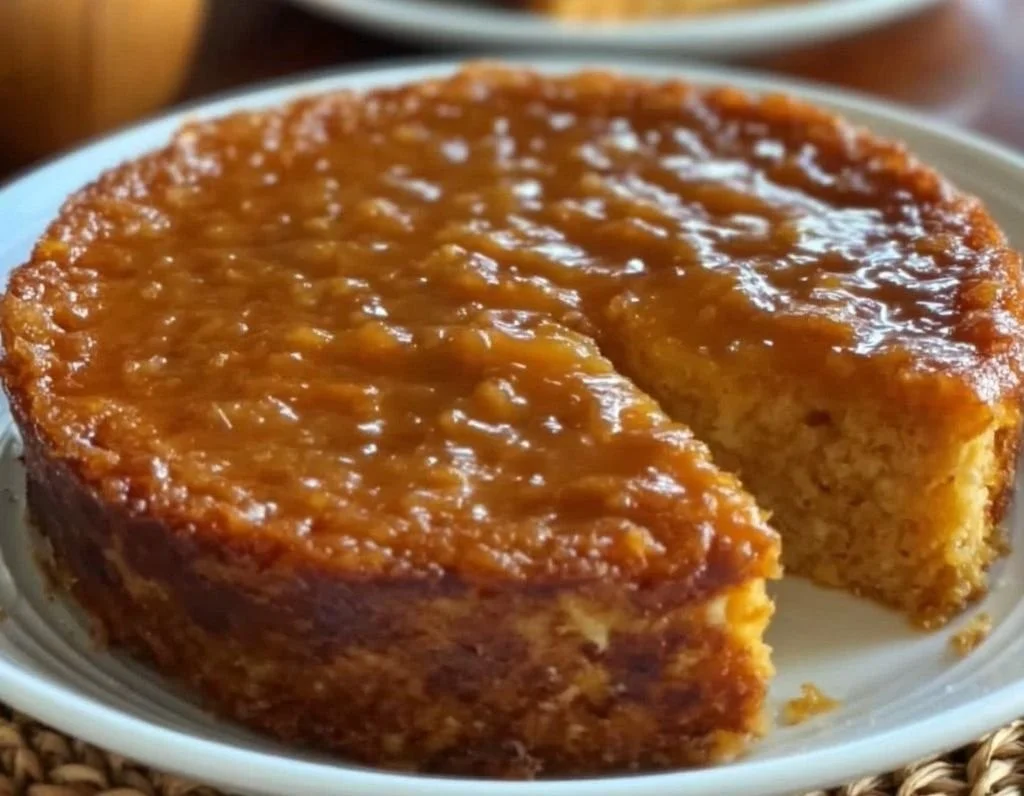
This Sweet Potato Pudding highlights two hearty root vegetables: sweet potato and yam, joined by warming spices like cinnamon and fresh ginger. It’s a comforting, lightly sweet baked pudding that’s rich without being heavy thanks to coconut milk. The pudding is a great make-ahead dessert or side for busy home cooks because it’s easy to mix, pop in the oven, and forget about while it bakes. If you’re new to baking puddings, this recipe is a gentle place to start—and it rewards you with a caramelized top and tender interior that’s worth scrolling down for.
Ingredients You’ll Need for Sweet Potato Pudding
Essentials
- 1.5 lbs sweet potato, peeled and grated (about 2 medium sweet potatoes)
- 0.5 lb yam, peeled and grated (about 1 medium yam)
- 3 tbsp freshly grated ginger (adjust to taste; fresh gives a bright bite)
- 1 tsp ground cinnamon
- 1 cup coconut milk (full-fat for creamier texture)
- 1 cup sugar (use granulated; see substitutions for options)
- 1 cup all-purpose flour (for a slightly denser, pudding-like bake)
- 1/2 tsp salt
- 1 tsp vanilla extract
- A greased baking dish (9×9 inch square or similar capacity)
Notes on the essentials:
- Grate the sweet potato and yam on the medium side of a box grater or use the grating disc of a food processor for speed.
- Fresh ginger is important here; it brightens the earthy sweet potato flavor and keeps the pudding from tasting flat.
- Coconut milk adds a luscious richness and a subtle tropical note—if you prefer, use coconut cream for extra creaminess.
Optional add-ons
- Pinch of freshly grated nutmeg for extra warmth (a little goes a long way)
- 1/2 cup toasted chopped pecans or walnuts for crunch
- 1/2 cup shredded coconut (unsweetened) for texture and flavor
- 1/3 cup raisins or chopped dates for little sweet pockets
- A scoop of vanilla ice cream or a drizzle of coconut cream for serving
These add-ons let you customize the pudding for holiday dinners or a weeknight treat.
Substitutions and shortcuts
- Sugar: Swap for brown sugar (adds molasses depth) or use a cup of coconut sugar for a darker, caramel-like flavor. For lower sugar, use 3/4 cup sugar and add a splash of maple syrup to taste.
- Flour: For gluten-free, use a 1-to-1 gluten-free baking flour—this pudding adapts nicely; if you want guidance, check my notes on gluten-free swaps like in my gluten-free sweet potato casserole tips.
- Coconut milk: If you don’t have coconut milk, use full-fat dairy milk or a thick oat milk, but flavor will shift slightly.
- Yams: If you can’t find true yams, use an extra sweet potato—just note that American “yams” are often sweet potatoes labeled differently.
- Speed: Use a food processor to grate the roots faster, and measure all dry ingredients into a bowl first to streamline mixing.
- Smaller batch: Halve the recipe and bake in an 8×8 dish for a shorter bake time.
How to Make Sweet Potato Pudding Step-by-Step
This section walks you through every step like I’m standing next to you in the kitchen, so don’t worry about missing anything.
Prepare your oven and dish
- Preheat your oven to 350°F (175°C). Preheating ensures the pudding starts baking at the right temperature and helps form a gentle crust on top.
- Grease a 9×9-inch baking dish (or similar size) with butter, coconut oil, or nonstick spray. If you like an easy release and a little extra flavor, line the dish with parchment paper with an overhang for lifting the pudding out.
Grate the sweet potato and yam
- Peel the sweet potatoes and yam, rinse, and pat dry. Grate them using the medium holes of a box grater for a tender texture. If you have a food processor with a grating disc, use that for speed.
- After grating, give the mixture a quick fluff with your hands or a fork to separate strands. You don’t need to squeeze out liquid—the coconut milk will hydrate the mixture—but if your roots look watery, drain a little to avoid a runny batter.
Combine dry and wet ingredients
- In a large mixing bowl, put the grated sweet potato and yam. Add 3 tablespoons of freshly grated ginger and 1 teaspoon of ground cinnamon.
- Sprinkle in 1 cup of sugar and 1 cup of flour, and add 1/2 teaspoon salt. Toss these together so the sugar and flour coat the grated vegetables; this helps the pudding set nicely.
- Pour in 1 cup of coconut milk and 1 teaspoon vanilla extract. Stir gently but thoroughly until everything is well combined. The mixture should be cohesive and scoopable—not soupy. If it feels too dry, add a tablespoon of coconut milk at a time until the texture is like a thick batter.
Taste and tweak
- This is your chance to taste a tiny spoonful (if you used raw sweet potato, avoid tasting raw batter if you’re strict about that—taste by cooking a small spoonful in a pan if uncertain). Check sweetness and spice: if you want more warmth, add a pinch of nutmeg or an extra 1/4 teaspoon cinnamon. If you prefer ginger more pronounced, add another teaspoon.
- If you’re adding optional nuts, raisins, or coconut, fold them in now so they’re evenly distributed.
Transfer to baking dish
- Scrape the mixture into your greased baking dish and smooth the top with a spatula. Press slightly to compact, which encourages the pudding to hold together when sliced.
- If you like a caramelized top, sprinkle a light dusting of sugar over the surface—about 1 tablespoon. This forms a lovely crust as it bakes.
Bake with patience
- Place the dish in the preheated oven on the middle rack. Bake for 45 minutes to 60 minutes. Ovens vary, so start checking at 45 minutes.
- Test for doneness by inserting a knife into the center: it should come out mostly clean with a few moist crumbs. The top should be golden and slightly caramelized. If the top is browning too quickly before the center sets, loosely tent with foil and continue baking.
Cool and rest
- Remove the pudding from the oven and let it cool on a wire rack for at least 15–20 minutes. Cooling helps it firm up so slices hold their shape.
- Serve warm or at room temperature. For a cozy dessert, add a scoop of vanilla ice cream or a drizzle of coconut cream. If serving as a side, a dollop of yogurt or crème fraîche can be delightful.
Make-ahead and reheating
- You can bake this pudding a day ahead and reheat gently in a 325°F oven for 10–15 minutes, or microwave individual portions for 30–60 seconds.
- Leftovers store covered in the refrigerator for up to 4 days; freeze in portions for up to 3 months—thaw overnight in the fridge before reheating.
Tips for success:
- Use freshly grated ginger for that bright zip—powdered ginger will be flatter.
- Don’t overmix; stir until ingredients are combined to avoid a gummy texture.
- If you want a lighter crumb, fold in a beaten egg (or two small eggs) to add structure—this will change the texture slightly toward a more cake-like pudding.
Common Mistakes to Avoid
Even simple recipes have a few pitfalls. I see the same small mistakes often, but they’re easy to fix once you know what to watch for.
Mistake 1: Not adjusting moisture
A very common issue is adding too much liquid or not accounting for how wet the grated vegetables are. Too much moisture makes the pudding loose and prevents it from setting. If your grated roots look especially wet, drain briefly in a colander or let them sit in a tea towel for a minute and gently squeeze out excess water. If the batter still seems thin after adding coconut milk, stir in an extra tablespoon of flour at a time until it’s thicker.
Mistake 2: Overbaking or underbaking
Underbaking leaves a wet center, while overbaking dries it out. Start checking at 45 minutes and use a knife or toothpick to test the center—it should come out mostly clean with a few moist crumbs. If the top is browning too quickly, loosely tent with foil and let the center continue to bake without burning the crust.
Mistake 3: Skipping flavor balance
Sweet Potato Pudding benefits from contrast: the sweetness of sugar and coconut milk needs the brightness of ginger and the warmth of cinnamon. Taste and adjust before baking—add a little more ginger if the flavor feels flat, or a pinch more salt to lift the sweetness. Little tweaks before baking make a big difference.
Serving Suggestions for Sweet Potato Pudding
This pudding is versatile: serve it as a dessert or a comforting side. It’s equally happy at a weekday dinner or a holiday table.
Cozy dessert with ice cream
Serve a warm square topped with a scoop of vanilla or coconut ice cream. The cold cream melting over the warm pudding is pure comfort—add toasted pecans for crunch.
Brunch or breakfast option
Cut into smaller portions and serve with yogurt, a drizzle of honey, and fresh fruit on the side. It’s a lovely twist for a weekend brunch plate.
Savory pairing for a dinner spread
Offer smaller slices alongside roasted meats or a rich vegetarian main. The natural sweetness pairs well with savory dishes; add a simple green salad to balance the meal.
{image_template}
Conclusion
I hope this Sweet Potato Pudding becomes one of those recipes you turn to when you want something warm, simple, and a little indulgent—because it’s honestly easier than it looks and so open to your personal touches. I love how customizable it is: add nuts for crunch, a pinch of nutmeg for warmth, or keep it plain and cozy with a dollop of cream. If you’d like to explore another island-style take on a similar dessert, check out this Jamaican Sweet Potato Pudding – Serena Lissy for more inspiration. Give this recipe a try, leave a note about how you made it your own, and share it with someone who needs a little kitchen comfort.
FAQs About Sweet Potato Pudding
Q1: Can I make Sweet Potato Pudding ahead of time?
A1: Yes. You can bake the Sweet Potato Pudding a day ahead, cool it completely, cover, and store in the refrigerator. Reheat in a 325°F oven for 10–15 minutes or microwave individual portions. For longer storage, freeze portions for up to 3 months and thaw overnight in the fridge before reheating.
Q2: Is Sweet Potato Pudding gluten-free?
A2: The version in this recipe uses all-purpose flour, so it’s not inherently gluten-free. However, you can substitute an equal amount of a 1-to-1 gluten-free baking flour and follow the same steps—texture may be slightly different but still delicious. For tips on gluten-free sweet potato dishes, see my guide on gluten-free sweet potato casserole swaps earlier in the article.
Q3: Can I use canned sweet potato or mashed sweet potato for Sweet Potato Pudding?
A3: I recommend freshly grated sweet potatoes and yams for the best texture and flavor. Canned or already-mashed sweet potato will change the texture and may require adjustments to flour and baking time. If using mashed, reduce the coconut milk and add more flour a tablespoon at a time until you reach a thick batter-like consistency.
Q4: How do I know when Sweet Potato Pudding is done baking?
A4: The pudding is done when the top is golden and slightly caramelized and a knife or toothpick inserted into the center comes out mostly clean with a few moist crumbs. The center should be set—not liquid. If the top browns before the center is set, tent loosely with foil and continue baking until done.
Q5: Can I make Sweet Potato Pudding dairy-free or vegan?
A5: Yes. The recipe is already dairy-free if you use coconut milk, which makes it naturally vegan when you avoid eggs. If you want a firmer, more cake-like texture without eggs, try adding a tablespoon of ground flaxseed mixed with three tablespoons of water (flax “egg”) to help bind the pudding, or use a commercial egg replacer.
Sweet Potato Pudding
- Total Time: 60 minutes
- Yield: 8 servings 1x
- Diet: Vegetarian
Description
A cozy and comforting baked pudding made with sweet potatoes and yams, flavored with ginger and cinnamon.
Ingredients
- 1.5 lbs sweet potato, peeled and grated
- 0.5 lb yam, peeled and grated
- 3 tbsp freshly grated ginger
- 1 tsp ground cinnamon
- 1 cup coconut milk
- 1 cup sugar
- 1 cup all-purpose flour
- 1/2 tsp salt
- 1 tsp vanilla extract
- Optional: Pinch of freshly grated nutmeg
- Optional: 1/2 cup toasted chopped pecans or walnuts
- Optional: 1/2 cup shredded coconut
- Optional: 1/3 cup raisins or chopped dates
- Optional: A scoop of vanilla ice cream or coconut cream for serving
Instructions
- Preheat your oven to 350°F (175°C) and grease a 9×9-inch baking dish.
- Grate the sweet potato and yam, fluffing them with hands or a fork to separate strands.
- In a large mixing bowl, combine grated sweet potato and yam with ginger, cinnamon, sugar, flour, and salt.
- Add coconut milk and vanilla extract, stirring until well combined.
- Transfer the mixture to the greased baking dish and smooth the top.
- Bake for 45 to 60 minutes or until the center is set and a knife inserted comes out mostly clean.
- Cool on a wire rack for at least 15-20 minutes before serving warm or at room temperature.
Notes
This pudding can be made ahead and reheated. It pairs beautifully with vanilla ice cream or coconut cream.
- Prep Time: 15 minutes
- Cook Time: 45 minutes
- Category: Dessert
- Method: Baking
- Cuisine: American
Nutrition
- Serving Size: 1 serving
- Calories: 300
- Sugar: 20g
- Sodium: 150mg
- Fat: 10g
- Saturated Fat: 6g
- Unsaturated Fat: 4g
- Trans Fat: 0g
- Carbohydrates: 40g
- Fiber: 4g
- Protein: 3g
- Cholesterol: 0mg
Keywords: sweet potato, pudding, dessert, cozy, autumn