Last updated on February 3, 2026
A Cozy Start
I still laugh when I remember hauling a big bowl of noodles into a backyard picnic and watching everyone’s faces light up after one messy, peanutty forkful — the kind of moment that makes a recipe feel like a hug. If you’ve ever worried that an Asian-inspired salad will be fussy or require impossible ingredients, I totally get it — I used to think the same. This Thai Peanut Pasta Salad is forgiving, fast, and perfect for beginners: a few pantry staples, simple chopping, and a whisk will get you there. If you like bright lime and peanutty comfort, keep reading — and if you want a different herb-forward pasta idea, I also loved learning techniques from this cilantro lime pasta salad for extra inspiration: cilantro lime pasta salad.
A Quick Look at This Thai Peanut Pasta Salad Recipe
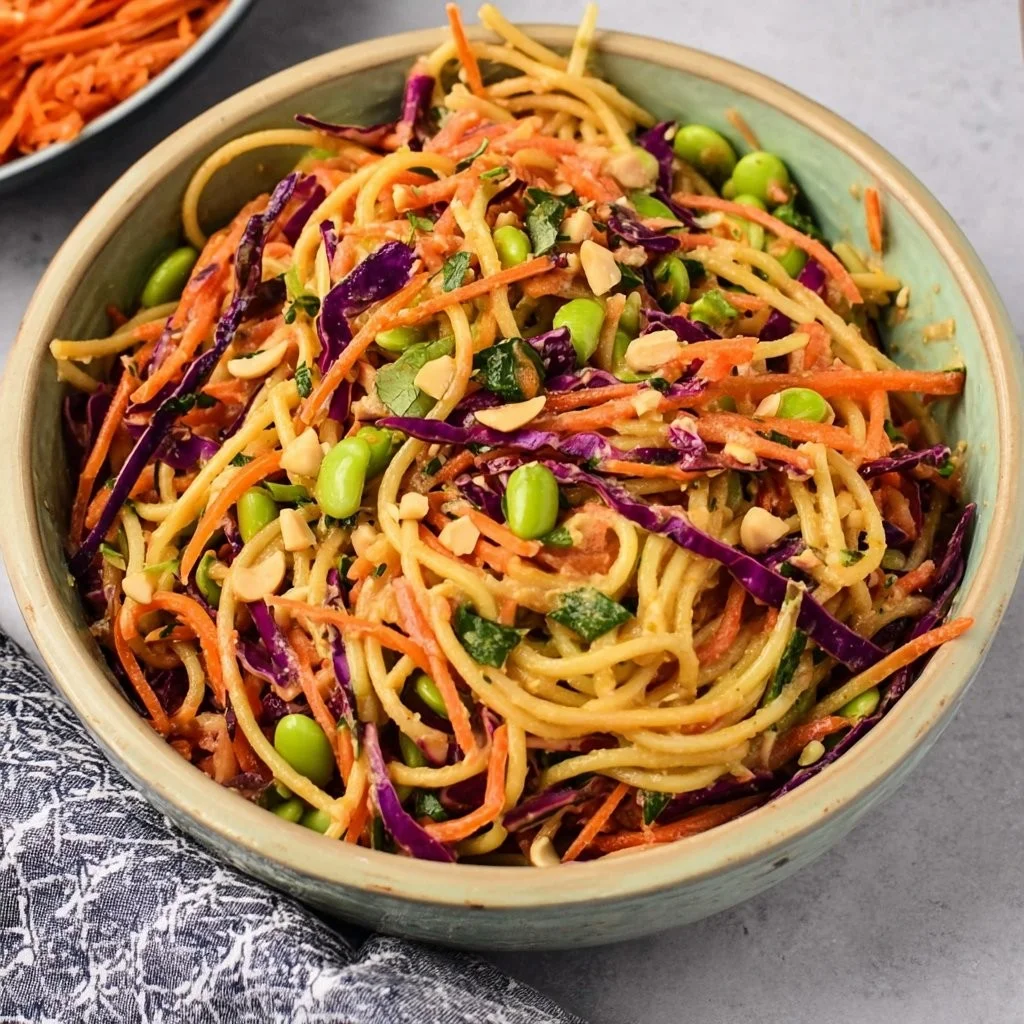
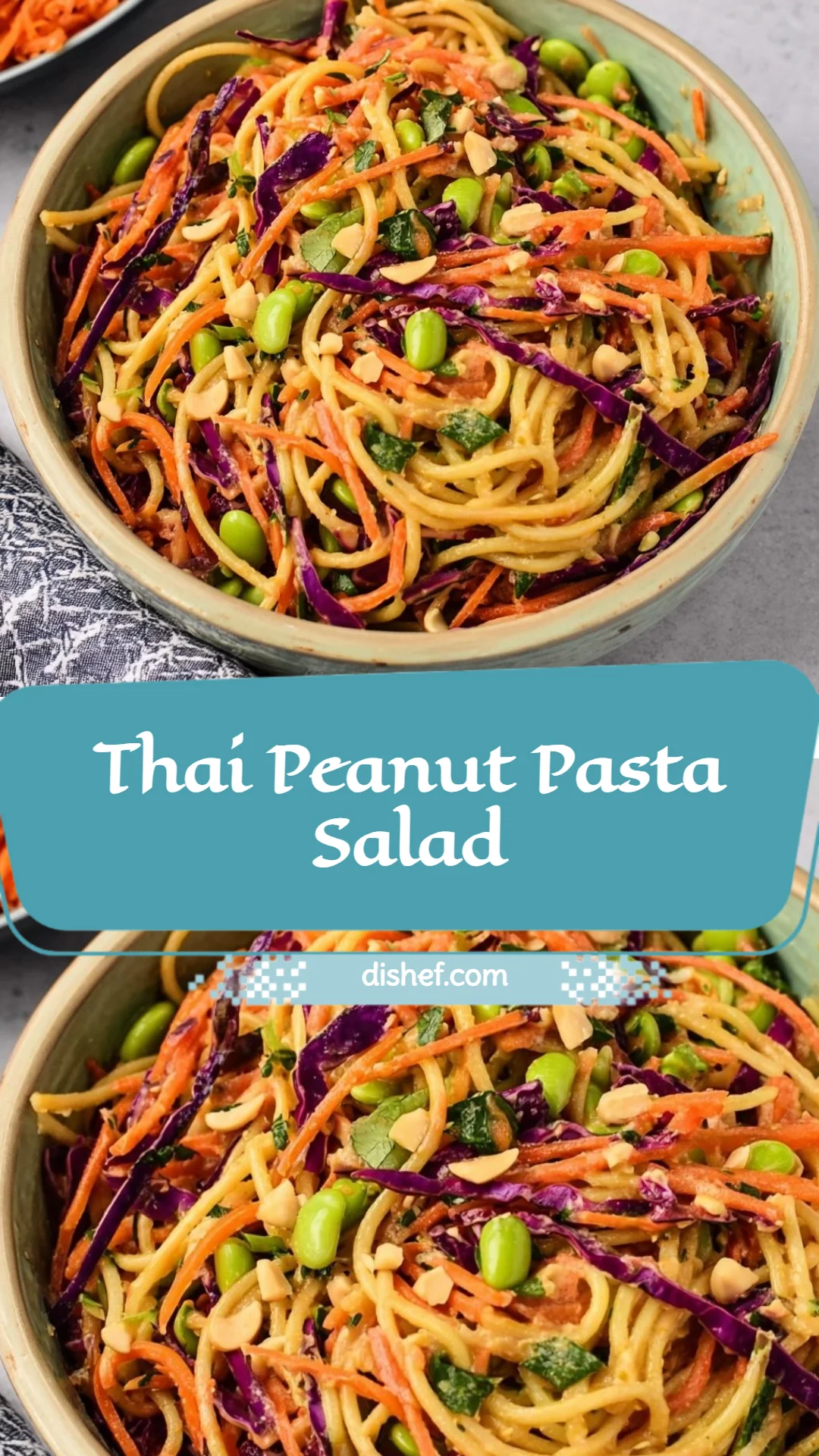
This Thai Peanut Pasta Salad centers on creamy peanut butter and crisp vegetables tossed with spaghetti or rice noodles. Edamame and red cabbage add protein and crunch while lime and soy sauce brighten the dressing. It’s a win for quick weeknight meals or bringing to potlucks because it’s nourishing, makes great leftovers, and can be served slightly chilled or at room temperature. Home cooks will appreciate how little hands-on time this takes and how forgiving the dressing is — you can tweak salt, lime, or sweetness to taste. Scroll down for the full step-by-step and handy swaps that make this salad your new go-to.
Ingredients You’ll Need for Thai Peanut Pasta Salad
Essentials
- 8 ounces dry spaghetti or rice noodles — either works; spaghetti gives a heartier bite, rice noodles keep it gluten-free if labeled so.
- 16 ounces shelled edamame (frozen) — quick source of protein and a lovely color contrast.
- 3 cups shredded red cabbage — crunchy, colorful, and holds up well without getting soggy.
- 2 carrots, finely sliced or grated — for sweetness and texture.
- 1 bell pepper, cut into thin strips — choose red or yellow for extra color and mild sweetness.
- 3 green onions, sliced — adds a gentle onion finish without overpowering.
- 1/2 small bunch cilantro, chopped (optional) — a bright herbal note I love, but omit if you don’t like cilantro.
- 1/2 cup roasted peanuts, roughly chopped — for crunch and to reinforce the peanut flavor.
For the dressing:
- 1/2 cup natural creamy peanut butter — creamy or slightly textured, natural is best for flavor.
- 3 tablespoons lime juice — freshly squeezed if possible for brightness.
- 2 tablespoons soy sauce or tamari — tamari for gluten-free; gives the umami backbone.
- 2 teaspoons toasted sesame oil (optional) — aromatic, use if you have it.
- 2 cloves garlic, crushed — fresh always.
- 1/2 tablespoon ginger, finely grated — fresh ginger wakes up the dressing.
- 1 teaspoon sugar (or maple syrup or agave, optional) — balances acidity.
- 1/4 cup warm water, plus more as necessary — thins the dressing to pourable consistency.
Optional add-ons
- Cooked shredded chicken, tofu cubes, or thinly sliced steak for extra protein.
- Julienned cucumber or snap peas for more crunch and freshness.
- A splash of rice vinegar for extra tang if you love a little acidity.
- Toasted sesame seeds or chili flakes on top for garnish.
- For a heartier twist, stir in cooked quinoa or switch to a sturdier pasta shape.
Note: If you want an idea for an alternate, protein-heavy pasta salad that inspired one of my swaps, check out this hearty ground beef chickpea pasta salad: ground beef chickpea pasta salad.
Substitutions and shortcuts
- Noodles: Use your favorite pasta — fusilli or penne work well. For gluten-free, choose certified rice noodles or gluten-free spaghetti.
- Peanut butter: If you have a peanut allergy in the house, try tahini (sesame paste) or sunflower seed butter — the flavor changes but the creaminess remains.
- Sweetener: Omit sugar if you prefer; add a touch of honey, maple syrup, or agave instead.
- Edamame: Swap for canned chickpeas (rinsed) if you want a shelf-stable option; they’re softer but still good.
- Veggies: Use whatever you have — shredded green cabbage, thinly sliced kale (massaged), or grated zucchini (squeeze excess moisture).
- Time-savers: Buy pre-shredded cabbage or matchstick carrots, and use frozen, pre-shelled edamame. You can also use a jarred peanut sauce in a pinch and thin it with warm water and lime.
How to Make Thai Peanut Pasta Salad Step-by-Step
I’ve written these steps as if I’m standing next to you in the kitchen — clear, practical, and kind to beginners. Take your time, and remember the dressing is very forgiving.
Step 1 — Get organized (mise en place)
- Fill a large pot with water and set it on the stove to come to a rolling boil. Add a pinch of salt — this seasons the pasta from the inside.
- While the water heats, measure ingredients and chop the vegetables: shred the cabbage, grate or slice the carrots, thinly slice the bell pepper, and chop the green onions and cilantro if using.
- If you’re zesting the lime, do it now before juicing. Having everything ready makes the final assembly quick and pleasant.
Step 2 — Cook the pasta
- Once the water is boiling, add the pasta and cook according to package directions for al dente. If using rice noodles, follow package directions carefully since they don’t need to boil for long.
- Taste a strand near the shortest recommended time — you’re aiming for al dente, so it still has a slight bite.
- Drain the pasta in a colander and rinse briefly under cold water to stop the cooking and remove surface starch. This also helps the salad chill faster and keeps strands from clumping.
Step 3 — Prepare the edamame
- While the pasta cooks, heat the frozen shelled edamame according to package directions — usually microwaving with a splash of water for a few minutes or simmering in lightly boiling water for 3–4 minutes.
- Drain and rinse with cold water to cool them quickly and preserve their bright color.
Step 4 — Make the peanut dressing
- In a medium mixing bowl, combine the peanut butter, lime juice, soy sauce/tamari, toasted sesame oil (if using), crushed garlic, grated ginger, and sugar/maple syrup.
- Whisk until smooth. The peanut butter may be thick — that’s normal. Add 1/4 cup warm water and keep whisking until you reach a pourable consistency. If it’s still too thick, add water 1 tablespoon at a time.
- Taste and adjust: add more lime for brightness, soy sauce for saltiness, or a pinch more sweetener if it tastes too sharp.
Step 5 — Toss the salad
- Transfer the drained pasta and cooled edamame to a large mixing bowl. Add the shredded cabbage, grated carrots, and sliced bell pepper.
- Pour most of the peanut dressing over the mixture (reserve a little to serve on the side if you like extra saucy portions).
- Using two forks or salad tongs, toss gently but thoroughly so the dressing coats everything. If the salad looks dry, drizzle a little more warm water into the leftover dressing and toss again.
Step 6 — Add herbs and crunch
- Fold in the sliced green onions and chopped cilantro (if using). Sprinkle the chopped roasted peanuts over the top and toss lightly — you want peanuts distributed but still some texture on top.
- Taste once more and adjust seasoning: a pinch of salt, another squeeze of lime, or a splash more soy for depth.
Step 7 — Rest and adjust
- Let the salad rest at room temperature for 10–15 minutes. This helps the noodles soak up the flavors and the vegetables to release a hint of their juices, melding everything together.
- Before serving, give the salad a final toss and adjust one more time if needed.
Step 8 — Storage and make-ahead
- Store leftovers in an airtight container in the fridge for up to 5 days. The salad keeps well, but textures soften over time — the cabbage stays crisper than softer greens.
- If you want to meal prep, make the dressing and chop veggies ahead of time and store separately in the fridge. Toss everything together on the day you plan to eat it to keep the noodles and vegetables bright.
Chef’s tips I use every time
- Warm water helps the peanut butter emulsify smoothly. Avoid cold water at first — it can make whisking harder.
- If the dressing splits or seems grainy, whisk in one teaspoon of warm water at a time until it smooths out.
- For a spicier version, add a teaspoon of chili paste (sambal oelek) or a pinch of red pepper flakes to the dressing.
Common Mistakes to Avoid
Even with a simple salad like this, a few slip-ups can change the result. I’ve learned these lessons the hard way, so here are the common traps and how to dodge them.
Mistake 1: Overcooking the pasta
Overcooked pasta becomes mushy and won’t hold the dressing or contrast with crunchy vegetables. Always aim for al dente and rinse with cold water to halt the cooking.
Mistake 2: Making the dressing too thin or too thick
If you add too much water, the dressing will be watery; too little and it won’t coat evenly. Start with the 1/4 cup warm water, then add a little at a time until you have a pourable but not runny sauce.
Mistake 3: Skipping the rest time
Serving the salad immediately after tossing means the flavors haven’t had a chance to meld. Letting it sit for 10–15 minutes makes a noticeable difference — trust me.
Serving Suggestions for Thai Peanut Pasta Salad
This salad is a real social chameleon. It’s cozy enough for weeknight dinners and colorful enough for gatherings. Here are a few ideas for how to serve it.
I love pairing the salad with contrasting textures and flavors — something warm, something acidic, and a simple garnish to finish it.
Light weeknight dinner
Serve a generous bowl with crusty bread and a lemony side salad or simple roasted greens. Add a scoop of cooked chicken or pan-seared tofu if you want more protein.
Potluck or picnic
Bring the salad chilled in a covered container and top with extra chopped peanuts and lime wedges before serving. It travels well and is always a crowd-pleaser.
Make it a grain bowl
Spoon the salad over warm brown rice or quinoa and add a fried egg on top for a comforting, filling bowl with an extra layer of texture.
Conclusion
I promise this Thai Peanut Pasta Salad is easier than it looks, endlessly customizable, and perfect for both weeknight dinners and potlucks. I love how the peanut dressing transforms simple ingredients into something cozy and unexpected — and how forgiving the recipe is when you tweak lime, salt, or sweetness to your preference. If you want to compare notes or try a slightly different take on a peanut-forward pasta salad, I found another great reference recipe that inspired a few ideas: Thai Peanut Pasta Salad – Featherstone Nutrition. Try it once, then make it yours — I’d love to hear what you change.
FAQs About Thai Peanut Pasta Salad
Q1: How long does Thai Peanut Pasta Salad keep in the fridge?
A1: Thai Peanut Pasta Salad will keep in an airtight container in the fridge for up to 5 days. I recommend storing any extra dressing separately if you want the noodles to stay firmer longer.
Q2: Can Thai Peanut Pasta Salad be made ahead for a party?
A2: Yes — make the dressing and chop the vegetables a day ahead, and cook the noodles shortly before serving. Toss everything together about 15–30 minutes before guests arrive so flavors meld.
Q3: Is Thai Peanut Pasta Salad suitable for meal prep lunches?
A3: Absolutely. I pack the salad in individual containers and keep a little extra dressing on the side. It’s a balanced, portable lunch that stays satisfying for several days.
Q4: Can I make Thai Peanut Pasta Salad gluten-free?
A4: Yes. Use certified gluten-free rice noodles or gluten-free pasta and swap soy sauce for tamari (gluten-free) to keep the recipe safe for gluten-sensitive guests.
Q5: How can I make Thai Peanut Pasta Salad nut-free?
A5: To make Thai Peanut Pasta Salad nut-free, replace the peanut butter with sunflower seed butter or tahini, and skip the chopped peanuts on top. The flavor profile will shift slightly, but the salad will remain creamy and delicious.
Thai Peanut Pasta Salad
- Total Time: 25 minutes
- Yield: 4 servings 1x
- Diet: Vegetarian
Description
A delicious and easy Thai Peanut Pasta Salad packed with creamy peanut butter, colorful vegetables, and a bright dressing, perfect for quick meals or potlucks.
Ingredients
- 8 ounces dry spaghetti or rice noodles
- 16 ounces shelled edamame (frozen)
- 3 cups shredded red cabbage
- 2 carrots, finely sliced or grated
- 1 bell pepper, cut into thin strips
- 3 green onions, sliced
- 1/2 small bunch cilantro, chopped (optional)
- 1/2 cup roasted peanuts, roughly chopped
- 1/2 cup natural creamy peanut butter
- 3 tablespoons lime juice
- 2 tablespoons soy sauce or tamari
- 2 teaspoons toasted sesame oil (optional)
- 2 cloves garlic, crushed
- 1/2 tablespoon ginger, finely grated
- 1 teaspoon sugar (or maple syrup or agave, optional)
- 1/4 cup warm water, plus more as necessary
Instructions
- Fill a large pot with water and set it to boil. Add salt to season the pasta.
- Measure and chop the vegetables: cabbage, carrots, bell pepper, green onions, and cilantro.
- Add the pasta to the boiling water and cook according to package directions for al dente, then drain and rinse with cold water.
- Prepare the edamame according to package directions, then drain and rinse with cold water.
- In a mixing bowl, combine peanut butter, lime juice, soy sauce/tamari, sesame oil, garlic, ginger, and sugar/maple syrup. Whisk until smooth, adding warm water as necessary to reach a pourable consistency.
- In a large bowl, combine the pasta, edamame, cabbage, carrots, and bell pepper. Pour most of the peanut dressing over it and toss to coat.
- Fold in green onions and cilantro, then sprinkle with peanuts and toss lightly.
- Let the salad rest for 10–15 minutes before serving for flavors to meld.
Notes
This salad can be made ahead of time and stored in the fridge for up to 5 days. Adjust seasoning as needed before serving.
- Prep Time: 15 minutes
- Cook Time: 10 minutes
- Category: Salad
- Method: Mixing
- Cuisine: Thai
Nutrition
- Serving Size: 1 serving
- Calories: 450
- Sugar: 6g
- Sodium: 600mg
- Fat: 22g
- Saturated Fat: 4g
- Unsaturated Fat: 16g
- Trans Fat: 0g
- Carbohydrates: 50g
- Fiber: 8g
- Protein: 17g
- Cholesterol: 0mg
Keywords: Thai, Salad, Peanut, Pasta, Vegetarian, Quick Meals, Potluck