
Last updated on December 10, 2025
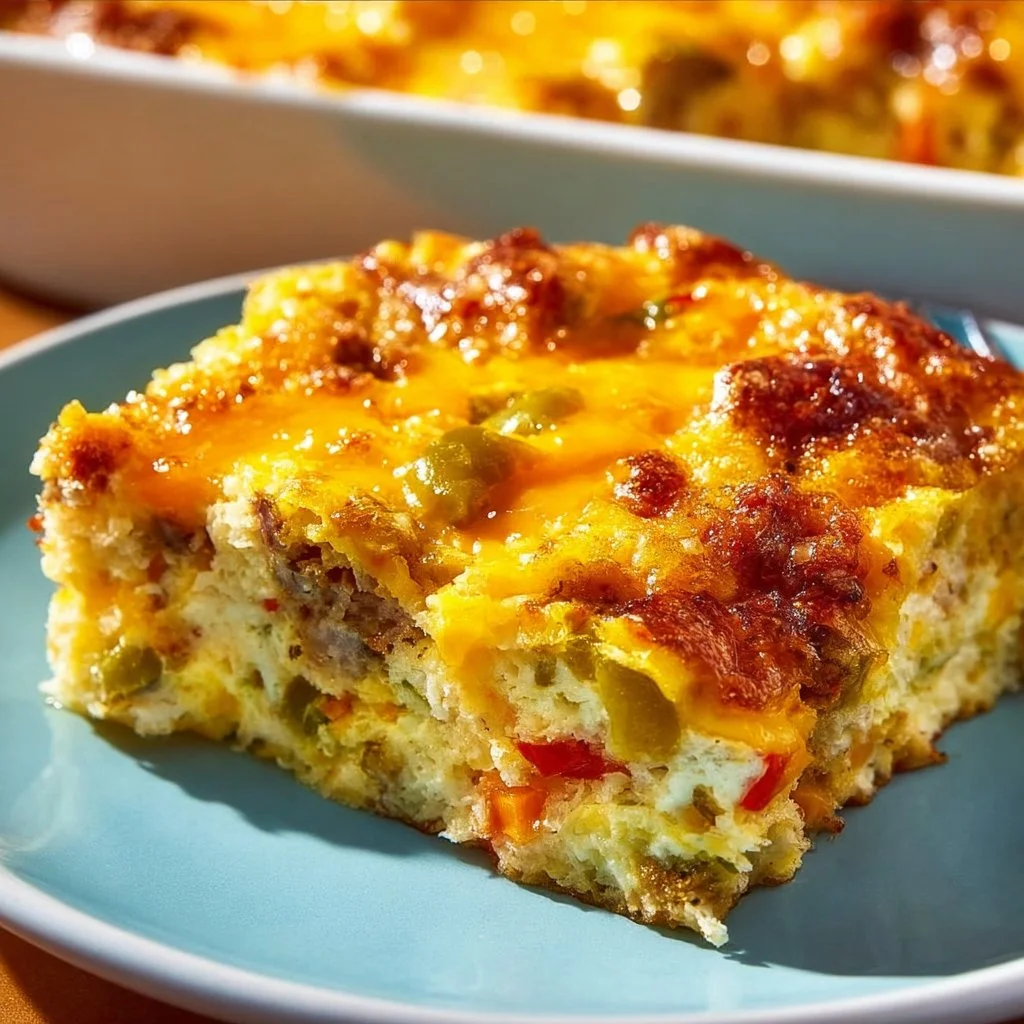
I still remember the first time I tried to make this dish—my kitchen looked like a small flour storm, and I burned the edges while trying to multitask with the kids. But that messy morning taught me something important: the Ultimate Breakfast Casserole is forgiving, crowd-pleasing, and perfect for busy families. I’ll walk you through a simple, stress-free method that’s totally doable on your first try, so you can skip the chaos and enjoy a warm, hearty breakfast that feeds everyone.
Table of Contents
Why I Love This Recipe of Ultimate Breakfast Casserole
I love this casserole because it feels like a warm hug on a plate. It’s one of those dishes that dresses up a busy morning without asking for much from you in return. It’s flexible—swap ingredients based on what’s in your fridge, make it the night before, or double it for a crowd. As a parent, I appreciate how it stretches a little bit of protein and veggies into a filling meal that kids and adults both like. For beginner cooks, it’s forgiving: the steps are straightforward and small mistakes rarely ruin the end result. If you need dairy-free, gluten-free, or low-effort options, there are easy tweaks you can make—see ideas in my guide for dairy-free breakfast casserole options to fit different diets: dairy-free breakfast casserole options.
Ingredients You’ll Need for Ultimate Breakfast Casserole
Essentials
- 1 pound breakfast sausage (use turkey or chicken sausage, or a plant-based sausage if you prefer) — choose mild or spicy depending on family taste.
- 6 large eggs — room temperature helps them mix smoothly.
- 2 cups milk — whole milk makes it rich, but 2% or a plant-based milk like unsweetened oat milk works too.
- 1 teaspoon salt
- 1 teaspoon black pepper
- 1 teaspoon garlic powder
- 1 teaspoon onion powder
- 4 cups cubed bread — day-old bread or slightly stale bread soaks well. Use regular sandwich bread or a heartier loaf.
- 2 cups shredded cheese — cheddar is classic, but Monterey Jack, Colby, or a dairy-free shredded cheese can work.
- 1 cup diced vegetables (optional) — bell peppers, spinach, mushrooms, or zucchini are all good choices.
Optional add-ons and mix-ins
- 1/2 cup chopped onion (sautéed) for extra flavor.
- 1/2 cup chopped ham alternative (chicken or turkey ham).
- Fresh herbs like chives, parsley, or basil added after baking.
- A sprinkle of red pepper flakes or smoked paprika for a little kick.
- 1/4 cup grated Parmesan for a sharper cheese boost.
- A handful of frozen corn or peas for color and texture.
Substitutions and Shortcuts
- Sausage: use turkey or chicken breakfast sausage, or choose a plant-based sausage. Many grocery stores carry flavorful options that brown well. If you want lower fat, try crumbled cooked chicken sausage.
- Milk: Swap dairy milk for unsweetened almond, soy, or oat milk for a dairy-free version.
- Bread: For gluten-free, use cubed gluten-free bread (many brands freeze well and cube easily). If you want a crusty texture, use day-old French bread or ciabatta.
- Cheese: Use dairy-free shredded cheese for lactose-intolerant family members. Pre-shredded cheese is a time-saver, but freshly shredded melts better.
- Make it ahead: Assemble the casserole the night before, cover, refrigerate, and bake in the morning. This is a huge time-saver on busy mornings.
- Quick cooking: If you’re short on time, toast the bread cubes briefly to help them hold shape, and use pre-cooked sausage or store-bought crumbled options.
If you want more ideas for gluten-free swaps and breakfasts that fit special diets, take a look at these easy gluten-free breakfast casserole recipes for busy mornings: easy GF breakfast casserole recipes and my round-up of tasty gluten-free breakfast recipes: 9 tasty gluten-free recipes.
How to Make Ultimate Breakfast Casserole Step-by-Step
Before you start: Preheat and prep
- Preheat your oven to 350°F (175°C). Grease a 9×13-inch baking dish with butter or nonstick spray, or use an oval casserole dish if you prefer a more compact shape. Let the dish sit on a heat-safe surface close by; once everything is mixed, assembly goes quickly.
Cook the sausage
2. Heat a large skillet over medium heat. Add the turkey, chicken, or plant-based breakfast sausage, crumbling it with a wooden spoon as it cooks. Brown the sausage for 6–8 minutes until there’s no pink left and bits are caramelized. If you use high-fat sausage, drain excess fat on a paper towel-lined plate; lean options usually won’t need draining. Set the cooked sausage aside to cool slightly.
Prep the bread and vegetables
3. If you’re using vegetables like bell peppers, onions, or mushrooms, sauté them in a little olive oil or butter for 3–5 minutes until softened and any released juices have mostly evaporated. For spinach, a quick toss in the hot pan until wilted is enough. Let these cool slightly before layering, so they don’t make the bread soggy.
Make the custard
4. In a large mixing bowl, crack the 6 eggs and whisk gently to combine. Add 2 cups milk, 1 teaspoon salt, 1 teaspoon black pepper, 1 teaspoon garlic powder, and 1 teaspoon onion powder. Whisk until blended and slightly frothy. The seasonings are simple but important—don’t skip them. Taste a little and adjust salt or pepper if needed.
Layer the casserole
5. Place 4 cups of cubed bread into the greased baking dish. I like to spread it evenly and press down lightly to make a uniform base. Sprinkle half of the shredded cheese over the bread, then spread the cooked sausage evenly on top. Add the sautéed vegetables, distributing them so every scoop gets a bit. Finish with the remaining cheese.
Soak the bread
6. Pour the egg and milk mixture evenly over the layered bread. Press down gently on the bread with a spatula or your hands (clean) so the custard seeps into the cubes. You want most of the bread to be moistened, but avoid mushing it into a paste. Let the dish sit for 5–10 minutes if you have time—this helps the bread soak up the custard. For overnight prep, cover and refrigerate; in the morning, let it sit at room temperature for 20–30 minutes before baking.
Bake to set
7. Place the casserole in the preheated oven and bake for 45–50 minutes. Look for a golden top and a center that is set (a knife or toothpick inserted in the middle should come out mostly clean with only a few moist crumbs). If the top browns too quickly, tent with aluminum foil for the last 10–15 minutes.
Rest, slice, and serve
8. Let the casserole cool for 5–10 minutes after removing it from the oven. This makes it easier to slice and helps settle the custard. Serve warm, garnished with fresh herbs if you like.
Quick tips for better results
- Use room-temperature eggs and milk for a smoother custard.
- If your bread is very fresh, lightly toast the cubes for 5–7 minutes to dry them out slightly so they soak but don’t turn to mush.
- Taste your sausage before adding too much salt—some store-bought sausage can be quite seasoned already.
- When making ahead, assemble cold and bake straight from the fridge—just add 5–10 minutes to the baking time.
Common Mistakes to Avoid
Undercooked Middle
A common worry is whether the center will be raw. The trick is even layering and proper soak time. If the custard hasn’t absorbed evenly, the center can stay wet. To avoid this, press the bread gently into the egg mixture and let it sit for a few minutes before baking. If you assembled the night before, allow some time at room temperature before baking so the center warms slightly and bakes evenly. Use a toothpick test—if it comes out mostly clean, it’s done.
Over-soaking the Bread
On the flip side, you can overdo it and end up with a soggy, near-liquid center. If you let the bread sit in the custard too long before baking (more than a day), or if you use very soft, fresh bread without toasting, the texture can suffer. Prevent this by using day-old or lightly toasted bread and by not letting it soak for hours at room temperature. Overnight in the fridge is fine and often recommended, but avoid leaving it in a warm spot.
Skipping Seasoning
Since this recipe relies on simple ingredients, seasoning matters. I’ve seen many casseroles fall flat because cooks skip the garlic, onion powder, or fail to check the salt level. Always taste the cooked sausage and, if possible, a tiny amount of the custard mixture (just a drop in your mouth) to check for seasoning. Add more salt or pepper as needed before pouring it over the bread.
Using Wet Vegetables
Vegetables like mushrooms, zucchini, or tomatoes hold a lot of moisture. If you add them raw, they can release water during baking and make the dish soggy. The fix is to sauté these vegetables first until most moisture has evaporated. For leafy greens, wilt them quickly and squeeze out excess water before adding. This small step makes the texture much better.
Easy Variations for Ultimate Breakfast Casserole
Veggie-Powered Breakfast Casserole (meatless)
If your family prefers fewer meat ingredients, skip the sausage and bulk up with roasted veggies and beans. Roast bell peppers, onions, zucchini, and cherry tomatoes until caramelized, then layer them with spinach and a mix of cheddar and feta. For added protein, stir in a can of drained white beans or use a plant-based sausage crumble. This version is colorful, hearty, and a great way to hide extra veggies for picky kids.
Mexican-Inspired Breakfast Casserole
Give the casserole some south-of-the-border flavor using turkey chorizo or crumbled plant-based chorizo. Add a cup of black beans, diced green chiles or roasted peppers, and a cup of pepper jack or cheddar cheese. Garnish with sliced avocado, cilantro, and a squeeze of lime after baking. Serve with salsa or a dollop of plain yogurt for a brighter finish.
Mediterranean-Style Breakfast Casserole
For a lighter, tangy twist, swap the cheddar for crumbled feta and use spinach, artichoke hearts, sun-dried tomatoes, and olives (if your family likes them). Use chicken or turkey sausage or skip meat entirely. Finish with fresh dill or parsley and a drizzle of extra virgin olive oil after baking. This variation feels fresh and is great served alongside a simple salad.
Serving Suggestions for Ultimate Breakfast Casserole
Fresh Fruit & Yogurt
A bright, fresh side balances the richness of the casserole. Offer a platter of mixed seasonal fruit—berries, sliced apples, or orange segments—and a bowl of plain or vanilla yogurt. The yogurt adds a cool, creamy contrast and fruit brings acidity and sweetness that kids usually enjoy. Consider a simple fruit-and-yogurt pizza as a fun family side for brunch: breakfast fruit and yogurt pizza.
Simple Green Salad
For a weekend brunch, pair the casserole with a crisp green salad dressed in a light vinaigrette. Baby spinach or mixed greens with thinly sliced cucumber and a lemon vinaigrette complements the warm casserole nicely. Toss in a few toasted nuts or seeds for crunch.
Bread & Toasted Muffins
Offer extra bread options like toasted English muffins, warm biscuits, or a sliced baguette with butter and jam. For gluten-free guests, a toasted gluten-free muffin or bread works well. If you want more baked goods, consider a blueberry cottage cheese breakfast bake nearby on the table for variety: blueberry cottage cheese breakfast bake.
How to Make This Work for Busy Families (Prep, Freezing, and Reheating)
Make-ahead and overnight
One of the biggest time savers is assembling the casserole the night before. Layer everything in the greased dish, cover it tightly with foil or plastic wrap, and refrigerate. In the morning, remove from the fridge and let sit at room temperature for 20–30 minutes, then bake. That small warm-up period helps it bake evenly without adding too much time.
Freezing for later
To freeze, assemble the casserole in a freezer-safe dish but do not bake. Wrap tightly in a double layer of plastic wrap and foil, label with the date, and freeze for up to 2 months. To bake from frozen, thaw overnight in the fridge and then bake, or bake from frozen at 350°F but add 15–25 minutes to the baking time and tent with foil for the first half to prevent over-browning.
Storing leftovers
Store leftovers in an airtight container in the refrigerator for up to 4 days. Reheat slices in the microwave for 45–90 seconds depending on your microwave’s strength, or warm in a 350°F oven for 10–12 minutes until heated through. For a crisp top, pop under a broiler for 1–2 minutes—but watch closely so it doesn’t burn.
Scaling up and serving a crowd
This casserole easily doubles. Use two 9×13 pans for a big family or for a potluck. If you’re baking two pans, rotate them halfway through baking for even color. For very large gatherings, bake in disposable foil pans for easy transport and clean-up.
Kid-friendly tips
- Cut into fun shapes with cookie cutters for little ones.
- Let kids help layer bread cubes or sprinkle cheese—giving them safe, small tasks makes mealtime happier and more cooperative.
- If your kids don’t like chunks, pulse the bread slightly to make smaller cubes before mixing.
Nutrition and portioning
This casserole is rich in protein thanks to eggs and sausage; adding vegetables increases fiber and vitamins. For lighter portions, serve small slices with big sides of fruit and salad. You can lower the fat by using reduced-fat cheese and lean turkey sausage and substituting a lower-fat milk or plant-based milk.
Timing guide
- Prep: 15–25 minutes (if sausage and veggies are cooked ahead, prep can be 10 minutes).
- Bake: 45–50 minutes.
- Cool & serve: 10–15 minutes.
- Total active time: under an hour if you do basic cooking; much less if you assemble ahead.
Tools that make life easier
- 9×13-inch baking dish (or two 8x8s for smaller households).
- Nonstick skillet or cast iron for browning sausage.
- Medium mixing bowl and whisk for the custard.
- Spatula for pressing the bread into the custard.
- Aluminum foil for tenting.
A note on dietary needs
Because this recipe is versatile, it’s easy to adapt for common dietary needs. For gluten-free, use certified gluten-free bread and check sausage labels. For dairy-free, use plant-based milk and shredded cheese alternative. For vegetarian households, use a plant-based sausage or increase veggies and beans. If you’re looking for more GF-specific breakfast ideas, check these gluten-free breakfast recipes to get inspired: gluten-free breakfast recipes.
Conclusion
This recipe shows that breakfast can be easy, flexible, and delicious. The Ultimate Breakfast Casserole is simple to make, feeds a crowd, and is perfect for busy families who want something warm and homemade without fuss. If you want more inspiration and similar tried-and-true recipes, check out these helpful resources: Ultimate Breakfast Casserole – Downshiftology, The Ultimate Breakfast Casserole – Aunt Bee’s Recipes, and Breakfast Casserole | – Tastes Better From Scratch. Try this one tonight or prep it for the weekend—either way, it’s cozy, customizable, and beginner-friendly.
Looking for more delicious recipes? Follow us on Pinterest and Facebook!
FAQs About Ultimate Breakfast Casserole
Can I make the Ultimate Breakfast Casserole ahead of time?
Yes, you can assemble the Ultimate Breakfast Casserole the night before. Cover and refrigerate overnight, then bake in the morning. Let it sit at room temperature for 20–30 minutes before baking for best results.
What kind of sausage works best in the Ultimate Breakfast Casserole?
For the Ultimate Breakfast Casserole, I recommend turkey or chicken breakfast sausage, or a plant-based sausage. These options brown well and keep the dish family-friendly.
How can I make the Ultimate Breakfast Casserole gluten-free?
To make the Ultimate Breakfast Casserole gluten-free, use certified gluten-free bread cubes and check that any sausage or seasoning you use is gluten-free. You can also find more gluten-free ideas here: easy GF breakfast casserole recipes.
Can I freeze the Ultimate Breakfast Casserole?
Yes. Assemble the Ultimate Breakfast Casserole in a freezer-safe dish, wrap well, and freeze for up to 2 months. Thaw in the fridge overnight before baking, or add extra baking time if baking from frozen.
My Ultimate Breakfast Casserole turned out soggy—what did I do wrong?
Sogginess usually comes from fresh, soft bread or wet vegetables. For the Ultimate Breakfast Casserole, use day-old or toasted bread and sauté wet vegetables like mushrooms or zucchini first to remove excess moisture. Also, avoid letting it soak too long at room temperature before baking.
Enjoy making the Ultimate Breakfast Casserole. It’s one of those recipes you’ll return to again and again because it’s easy to customize, simple to prep, and perfect for busy mornings.
Print
Ultimate Breakfast Casserole
- Total Time: 75 minutes
- Yield: 8 servings 1x
- Diet: Flexible (vegetarian options available)
Description
A forgiving and crowd-pleasing breakfast casserole perfect for busy families, packed with protein and veggies.
Ingredients
- 1 pound breakfast sausage (turkey, chicken, or plant-based)
- 6 large eggs
- 2 cups milk (whole or plant-based)
- 1 teaspoon salt
- 1 teaspoon black pepper
- 1 teaspoon garlic powder
- 1 teaspoon onion powder
- 4 cups cubed bread (day-old preferred)
- 2 cups shredded cheese (cheddar, Monterey Jack, or dairy-free)
- 1 cup diced vegetables (bell peppers, spinach, mushrooms, zucchini)
- Optional: 1/2 cup chopped onions (sautéed)
- Optional: 1/2 cup chopped ham alternative
- Optional: Fresh herbs, red pepper flakes, or smoked paprika
- Optional: 1/4 cup grated Parmesan
- Optional: Frozen corn or peas
Instructions
- Preheat oven to 350°F (175°C) and grease a 9×13-inch baking dish.
- Cook the sausage in a skillet until browned, about 6–8 minutes.
- Sauté vegetables in olive oil until softened; cool slightly.
- Whisk together eggs, milk, salt, pepper, garlic powder, and onion powder.
- Layer bread, cheese, sausage, and vegetables in the baking dish.
- Pour egg mixture over layers and press down gently.
- Let sit for 5–10 minutes to soak up the custard.
- Bake for 45–50 minutes until golden and set.
- Cool for 5-10 minutes, slice, and serve warm.
Notes
Great for making ahead; assemble the night before and refrigerate. Use gluten-free bread for a gluten-free version.
- Prep Time: 25 minutes
- Cook Time: 50 minutes
- Category: Breakfast
- Method: Baking
- Cuisine: American
Nutrition
- Serving Size: 1 serving
- Calories: 350
- Sugar: 6g
- Sodium: 500mg
- Fat: 22g
- Saturated Fat: 10g
- Unsaturated Fat: 7g
- Trans Fat: 0g
- Carbohydrates: 30g
- Fiber: 2g
- Protein: 20g
- Cholesterol: 180mg
Keywords: breakfast casserole, easy breakfast, family-friendly, make-ahead breakfast