
Last updated on February 3, 2026
A Cozy Beginning
Have you ever had a craving so specific it felt like a warm hug — like when I wanted something green, cozy, and a little adventurous on a rainy afternoon? I remember fumbling with slippery cabbage leaves the first time I tried vegan cabbage rolls and laughing at myself for underestimating how simple the process could be. If you’re new to rolling or nervous about working with cabbage leaves, I promise: it’s a beginner challenge that’s easier than it looks, and I’ll walk you through it so the whole thing feels calm and stress-free. If you like calming kitchen projects and sweet treats afterward, you might enjoy baking alongside this — for example, I often pair savory meals with a weekend treat like vegan banana bread cinnamon rolls.
A Quick Look at This Vegan Cabbage Rolls Recipe
This Vegan Cabbage Rolls recipe is a nutrient-dense, plant-forward meal that balances fiber, plant protein, and vitamins from colorful vegetables. Short-grain rice adds satisfying texture and energy, while napa cabbage provides vitamin C and folate and the vegetables add fiber and phytonutrients. The tamari-based filling keeps added sugar very low and the maple in the sauce is minimal, so these are naturally wholesome and lighter comfort food. They work well for meal prep, provide balanced macros when paired with a side salad or whole grains, and are a cozy, nourishing option for weeknight dinners.
Ingredients You’ll Need for Vegan Cabbage Rolls
Here’s a clear breakdown of every ingredient in this recipe, organized so you can shop and substitute with confidence.
Essentials
- 1 1/4 cups dry sushi rice (or any short-grain rice) — the stickier texture helps the filling hold together.
- 1 large napa cabbage — tender, pliable leaves are perfect for rolling.
- 1 tbsp oil, divided (use a neutral oil like avocado or light olive oil) — for sautéing and pan-searing.
- 1 medium onion, diced — adds savory depth and natural sweetness.
- 3/4 tbsp fresh ginger, minced — bright and aromatic.
- 3 garlic cloves, minced — umami and warmth.
- 1 medium carrot, diced — color, sweetness, and fiber.
- 2 medium bell peppers, diced — vitamin C and crunch; any color.
- 8 white button mushrooms, diced — meaty texture and savory flavor.
- 2 tbsp tamari or coconut aminos — saltiness and depth without soy sauce’s wheat (tamari can be gluten-free).
- 1/2 tsp sea salt and 1/2 tsp ground black pepper — to taste.
- Sesame seeds, to garnish — nutty finish and pretty presentation.
For the sauce:
- 1 tsp oil
- 1/2 tbsp fresh ginger, minced
- 2 garlic cloves, minced
- 1 1/2 tbsp tamari or coconut aminos
- 1 tbsp rice vinegar
- 3/4 tbsp maple syrup
- 1/2 cup water
- 1/2 tbsp cornstarch (slurry to thicken)
- Salt, pepper, red pepper flakes, smoked paprika — to taste
Optional add-ons
- 1/2 cup firm tofu, crumbled — for extra plant protein and a silkier texture.
- 2 tablespoons chopped scallions or fresh herbs (cilantro, parsley) — for brightness.
- 1 tablespoon toasted sesame oil (added to sauce at the very end) — for a deeper sesame aroma.
- 1/4 cup toasted nuts (pine nuts or chopped walnuts) — for crunch and healthy fats.
- A small drizzle of tahini or sprinkle of nutritional yeast when serving — adds savory richness.
If you enjoy finishing a meal with something sweet, I sometimes schedule a baking day where a savory dish like these cabbage rolls pairs nicely with treats such as banana bread cinnamon rolls for a comforting weekend spread.
Substitutions and shortcuts
- Rice substitute: Use cooked short-grain brown rice for more fiber, or use quinoa if you want a higher-protein filling (texture will be slightly different).
- Cabbage substitute: If you can’t find napa, young green cabbage leaves work — just soften them a bit longer when blanching.
- Tamari/coconut aminos: Use low-sodium soy sauce if you don’t need gluten-free. Adjust salt accordingly.
- Quick shortcut: Use pre-cooked rice (about 2 1/2 cups cooked) to skip soaking/cooking time; the flavor profile remains similar.
- Make-ahead: Cook rice and sauté vegetables a day ahead, store separately, and assemble on the day you plan to serve. This saves time and keeps leaves from getting soggy.
- Thickener substitute: Arrowroot powder can replace cornstarch 1:1 to make the sauce clearer.
How to Make Vegan Cabbage Rolls Step-by-Step
I like to think of this recipe as a series of little, meditative tasks: soak, blanch, sauté, roll, sear, and sauce. Each step is straightforward, and small techniques help protect nutrients while maximizing flavor.
Soak and cook the rice
- Soak 1 1/4 cups dry short-grain rice in cold water for 45–60 minutes, then drain. Soaking helps the rice cook more evenly and can slightly reduce cooking time.
- Cook the rice with fresh water and a pinch of salt until tender. If you use a rice cooker, follow its water ratio for short-grain rice. Drain any excess and fluff with a fork. Keep warm.
Prep the cabbage leaves
- Core the napa cabbage and carefully peel away whole leaves. If some inner leaves are too small or torn, set them aside for chopping into the filling or saving for another dish.
- Bring a large pot of water to a rolling boil. Blanch each leaf for 2–3 minutes until pliable but not mushy. Immediately transfer to a bowl of ice water to stop cooking — this preserves color, texture, and nutrients. Drain and pat leaves dry before filling.
Make the filling
- Heat half the oil in a large skillet over medium heat. Add the diced onion, minced ginger, and garlic. Sauté until the onion is soft and translucent, about 4–5 minutes. Keeping the heat moderate preserves the delicate aromas of ginger and garlic.
- Add the diced carrot, bell peppers, and mushrooms. Cook until softened and any released liquid evaporates, about 6–8 minutes. Stir occasionally to prevent sticking. A little browning adds savory depth without losing nutrients.
- Stir in 2 tablespoons tamari (or coconut aminos), 1/2 tsp sea salt, 1/2 tsp black pepper, and optional 1/2 tsp onion powder and 1/4 tsp red pepper flakes. Cook a few more minutes to meld flavors. Taste and adjust seasoning.
- Combine the cooked rice with the vegetable mixture in the skillet. Mix gently to avoid smashing the rice grains. If adding crumbled tofu or toasted nuts, fold them in now.
Fill and roll the cabbage leaves
- Lay a chilled leaf flat on a work surface, vein-side up. Trim any thick rib at the base if it makes rolling awkward — a gentle slice through the very thickest part helps the leaf fold.
- For each leaf, spoon about 2–3 tablespoons of the filling near the stem end. Don’t overfill; a modest amount makes a neat roll and ensures even cooking. Fold the sides over the filling, then roll from the stem end to the tip, tucking in as you go to secure the filling.
Pan-sear the rolls
- Heat the remaining oil in a large skillet over medium-high heat. Place the rolls seam-side down to seal and cook until golden, about 2–3 minutes per side. Pan-searing gives a pleasant crust and added texture while keeping the inside soft.
- You can arrange them in a snug pan so they support each other. If you prefer a gentler finish, stack them seam-side down and cover the pan, cooking on medium-low for 6–8 minutes until heated through.
Make the sauce
- In a small saucepan, heat 1 tsp oil over medium heat. Sauté 1/2 tbsp minced ginger and 2 minced garlic cloves until fragrant (about 30 seconds).
- Add 1 1/2 tbsp tamari, 1 tbsp rice vinegar, and 3/4 tbsp maple syrup, then 1/2 cup water. Stir to combine. In a small bowl, whisk 1/2 tbsp cornstarch into a little cold water to make a slurry, then whisk it into the simmering sauce. Cook until thickened, about 1–2 minutes. Season with salt, pepper, red pepper flakes, and a pinch of smoked paprika to taste.
- Remove from heat and, if you like, stir in a tiny drizzle of toasted sesame oil for aroma.
Plate and serve
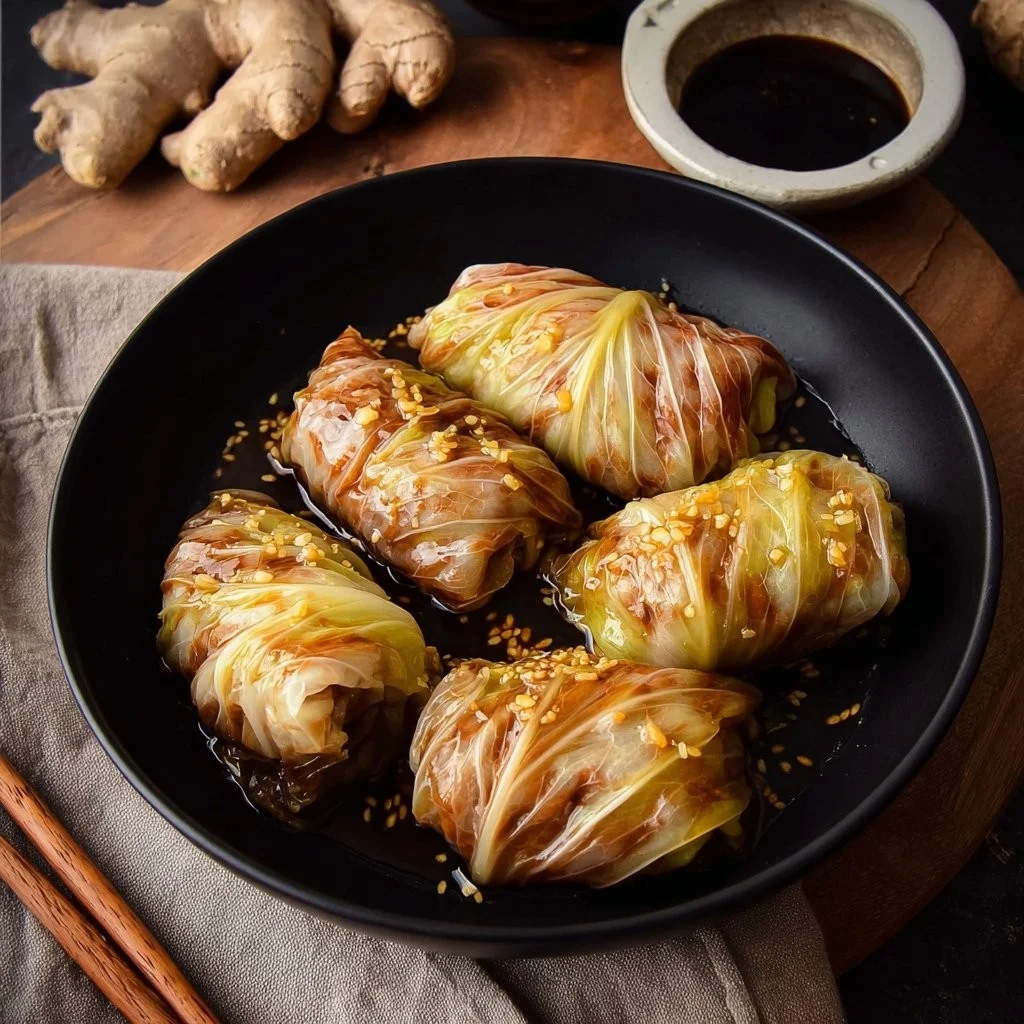
- Arrange the cabbage rolls on a serving platter, spoon the glossy sauce over them, and garnish with sesame seeds and chopped scallions or herbs. Serve warm with a crisp side salad, steamed greens, or whole-grain side for a complete meal.
Tips for nutrient preservation and flavor:
- Blanch briefly and cool fast to protect vitamins and color.
- Stir-fry vegetables just until tender-crisp to keep texture and nutrients.
- Use fresh ginger and garlic sparingly in the pan to preserve their volatile oils; add at medium heat rather than high to avoid burning.
Common Mistakes to Avoid
Even experienced home cooks trip up sometimes — here are the most common mistakes I see with Vegan Cabbage Rolls and how to prevent them.
Mistake 1: Overfilling the leaves
When people try to cram too much filling into each leaf, the rolls can split open during cooking. Use modest portions (2–3 tablespoons) and leave space to tuck the ends. Smaller, neatly rolled cabbage rolls cook more evenly and look nicer on the plate.
Mistake 2: Not softening the cabbage enough
If you skip blanching long enough, the leaves can be too stiff to roll and will tear. Blanch for 2–3 minutes in boiling water, then immediately cool in ice water — that combination softens the leaves while keeping them intact and vibrant.
Mistake 3: Letting the filling get soggy
If you add the rice to the filling while it’s too wet, or if the vegetables are overcooked and watery, the rolls can become soggy. Sauté vegetables until most of the moisture has evaporated and fluff the rice so it’s not clumped. If your filling looks wet, cook it a few extra minutes to tighten up the texture.
Serving Suggestions for Vegan Cabbage Rolls
These cabbage rolls are versatile — they’re equally at home on a cozy dinner plate or a meal-prep tray. I like to think about contrast: something crisp, something tangy, and a finishing touch that makes each bite sing.
Pairings for a balanced plate
Serve with a simple green salad dressed in lemon vinaigrette or a crunchy cucumber salad for freshness. A scoop of cooked quinoa or steamed sweet potato on the side adds whole-grain balance and a filling element for active days.
Sauce and condiment ideas
The savory-sweet tamari-maple sauce in this recipe is lovely, but you can also try a light tomato sauce for a different flavor profile, or a tahini-lemon drizzle for creaminess. A sprinkle of toasted sesame seeds and sliced scallions makes each roll feel finished.
Meal prep and storage
Store cooled cabbage rolls in an airtight container in the fridge for up to 4 days. Keep sauce separately and reheat gently in a covered pan or microwave, adding a splash of water to loosen the sauce if needed. For longer storage, freeze on a tray until firm and then transfer to a freezer-safe bag for up to 3 months; thaw before reheating.
Conclusion
I love how this version of Vegan Cabbage Rolls feels like comfort food without weighing you down — it’s nourishing, adaptable, and easy to make ahead for busy weeks. The filling balances vegetables and rice for fiber and gentle plant-based protein, and the sauce ties everything together with a bright, savory finish. If you want to compare classic approaches or see another take on vegan stuffed cabbage, check out this classic recipe for Vegan Cabbage Rolls which inspired my own tweaks and variations. Try making a batch this weekend, and treat rolling the leaves like a small, relaxing ceremony — you’ll be surprised how satisfying it is.
FAQs About Vegan Cabbage Rolls
Q1: How long do Vegan Cabbage Rolls last in the fridge?
A1: Properly stored in an airtight container, Vegan Cabbage Rolls keep well for up to 4 days. Store the sauce separately when possible to keep the rolls from becoming too soft; reheat gently in a covered pan or microwave until warmed through.
Q2: Can I freeze Vegan Cabbage Rolls?
A2: Yes — freeze the rolls on a lined tray until firm, then transfer to a freezer-safe bag or container for up to 3 months. Thaw in the refrigerator overnight and reheat covered on the stove or in the oven. Freeze without sauce when possible; add fresh sauce upon reheating.
Q3: Are these Vegan Cabbage Rolls high in protein?
A3: The base recipe provides moderate plant protein from the short-grain rice and mushrooms, but it’s not as protein-heavy as legume-based dishes. To increase protein, add crumbled firm tofu, lentils, or include quinoa as a rice substitute.
Q4: Can I make Vegan Cabbage Rolls gluten-free?
A4: Yes — use tamari that’s labeled gluten-free or opt for coconut aminos for the same savory flavor without gluten. Also ensure any store-bought condiments you use are certified gluten-free.
Q5: What variations work well with this Vegan Cabbage Rolls recipe?
A5: You can swap short-grain rice for quinoa or short-grain brown rice, add crumbled tofu or cooked lentils for extra protein, or change the sauce to a simple tomato-based marinara for a different regional twist. Roasted vegetables or nuts add extra texture and flavor — make the recipe your own based on what you have on hand.

Vegan Cabbage Rolls
- Total Time: 90 minutes
- Yield: 4 servings 1x
- Diet: Plant-based
Description
A nutritious, plant-forward meal that combines tender cabbage leaves with a flavorful rice and vegetable filling, topped with a savory tamari sauce.
Ingredients
- 1 1/4 cups dry sushi rice (or any short-grain rice)
- 1 large napa cabbage
- 1 tbsp oil, divided
- 1 medium onion, diced
- 3/4 tbsp fresh ginger, minced
- 3 garlic cloves, minced
- 1 medium carrot, diced
- 2 medium bell peppers, diced
- 8 white button mushrooms, diced
- 2 tbsp tamari or coconut aminos
- 1/2 tsp sea salt
- 1/2 tsp ground black pepper
- Sesame seeds, to garnish
- 1 tsp oil (for sauce)
- 1/2 tbsp fresh ginger, minced (for sauce)
- 2 garlic cloves, minced (for sauce)
- 1 1/2 tbsp tamari or coconut aminos (for sauce)
- 1 tbsp rice vinegar
- 3/4 tbsp maple syrup
- 1/2 cup water
- 1/2 tbsp cornstarch (slurry to thicken)
- Salt, pepper, red pepper flakes, smoked paprika — to taste
- Optional: 1/2 cup firm tofu, crumbled
- Optional: 2 tablespoons chopped scallions or fresh herbs
- Optional: 1 tablespoon toasted sesame oil
- Optional: 1/4 cup toasted nuts (pine nuts or chopped walnuts)
- Optional: A small drizzle of tahini or sprinkle of nutritional yeast when serving
Instructions
- Soak rice in cold water for 45–60 minutes, then cook until tender.
- Core the cabbage and peel off whole leaves, blanch them for 2–3 minutes in boiling water, and transfer to ice water.
- In a skillet, heat oil, sauté onion, ginger, and garlic until soft.
- Add carrots, bell peppers, and mushrooms; cook until softened.
- Stir in tamari, salt, pepper, and optional seasonings.
- Combine cooked rice with vegetable mixture.
- Fill and roll each cabbage leaf with about 2–3 tablespoons of filling.
- Pan-sear rolls seam-side down until golden.
- In a saucepan, cook sauce ingredients, whisking in cornstarch slurry to thicken.
- Serve cabbage rolls with sauce and garnish with sesame seeds and herbs.
Notes
For extra protein, consider adding firm tofu to the filling. Pair these rolls with a crisp salad for a complete meal.
- Prep Time: 60 minutes
- Cook Time: 30 minutes
- Category: Main Course
- Method: Baking
- Cuisine: Vegan
Nutrition
- Serving Size: 1 serving
- Calories: 300
- Sugar: 6g
- Sodium: 350mg
- Fat: 10g
- Saturated Fat: 1g
- Unsaturated Fat: 8g
- Trans Fat: 0g
- Carbohydrates: 50g
- Fiber: 5g
- Protein: 14g
- Cholesterol: 0mg
Keywords: vegan, cabbage rolls, healthy, plant-based, meal prep