Last updated on June 14, 2026
A Cozy Start
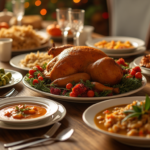
I still remember the first time I tried to shape bagels — flour everywhere, a kitchen timer that I neglected, and my cat inspecting each little dough ball like they were her new toys. If you’re wondering whether homemade bagels are tricky, you’re not alone; many beginners worry about dough texture and shaping. I promise this 15 G Protein Bagels recipe is forgiving, straightforward, and perfect for anyone who wants a wholesome, high-protein breakfast without fuss. If you like extra ideas for what to serve with them, I often pair mine with a few simple sides I found in this gluten-free Thanksgiving sides collection — they make a cozy spread.
A Quick Look at This 15 G Protein Bagels Recipe
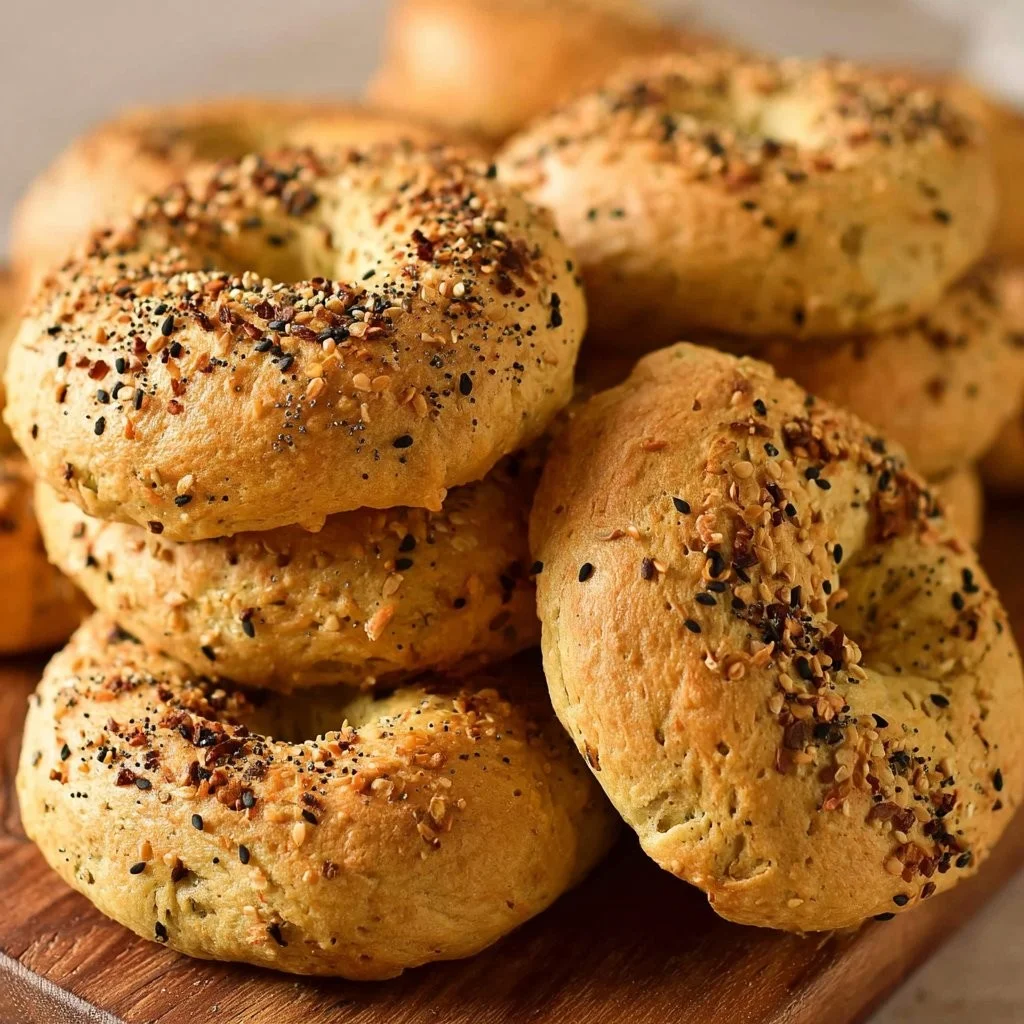
These 15 G Protein Bagels deliver a solid boost of protein mainly from high-protein flour and thick, plant-based Greek-style yogurt, making them a great choice for mornings when I need staying power. They’re also fiber-friendly when you add chia or flax seeds, and naturally low in added sugar if you skip the optional maple syrup. High in protein and balanced with whole-food ingredients, these bagels fit well into meal prep plans, post-workout breakfasts, or lighter comfort-food days. They’re wholesome, simple to make, and easy to customize for different dietary needs.
Ingredients You’ll Need for 15 G Protein Bagels
Here’s a friendly, fully expanded ingredient list and what each item brings to your bagels. Quantities below are for a batch that makes about 8 medium bagels, each roughly providing 15 grams of protein thanks to the high-protein flour and the plant-based Greek-style yogurt.
Essentials
- 2 cups high-protein flour — This is the backbone. Look for flours labeled “high-protein” (often pea, soy, or specially blended wheat alternatives). They give structure and most of the protein in the recipe.
- 1 cup plain, thick plant-based Greek-style yogurt — Adds moisture, tang, and protein. The thicker the yogurt, the better the texture.
- 1 teaspoon baking powder — A mild leavening agent to help the bagels rise and become tender.
- 1/2 teaspoon fine salt — Balances flavor; use fine salt so it mixes evenly.
- Water, as needed — To bring the dough together into a soft, slightly tacky ball.
Optional add-ons
- 1 tablespoon maple syrup or agave — Adds a touch of sweetness and helps with browning (optional).
- 2 tablespoons chia or flax seeds — Boosts fiber, omega-3s (for flax), and adds texture.
- 2–3 tablespoons sesame, poppy, or sunflower seeds — For a classic bagel finish and extra flavor.
- 1 teaspoon dried onion or garlic powder — Savory boost for everything-style bagels.
- 1–2 tablespoons nutritional yeast — A cheesy, savory note that also adds B vitamins.
- 1/4 cup finely chopped herbs or sun-dried tomatoes — Adds freshness or a concentrated, savory hit.
- A pinch of cinnamon and a tablespoon of raisins — For a sweeter, breakfast-style bagel variation.
Substitutions and shortcuts
- High-protein flour: If you don’t have a labeled high-protein blend, you can mix 1 cup all-purpose flour + 1 cup of a protein-rich flour like chickpea, soy, or oat protein powder (adjust water as needed). If you prefer gluten-free, choose a certified gluten-free high-protein blend.
- Plant-based Greek-style yogurt: Full-fat coconut yogurt or thick almond/cashew Greek-style yogurt both work. If using a thinner yogurt, strain it in a cheesecloth-lined sieve for 30 minutes to thicken.
- Baking powder: If you only have baking soda, it won’t act the same without acidity — combine 1/2 teaspoon baking soda with 1 teaspoon cream of tartar as a swap.
- Maple syrup/agave: Skip it entirely for savory bagels, or use 1 teaspoon of date syrup if you have it.
- Seeds and toppings: Use what you have on hand. Toasted oats or crushed nuts can be great alternatives for a different texture.
- Shortcut: If you want quicker bagels, shape smaller rounds (10–12 instead of 8); they’ll bake faster and are perfect for sandwiches.

How to Make 15 G Protein Bagels Step-by-Step
I like to keep the process calm and methodical. These bagels don’t require long proofs or boiling — they’re a hands-on, quick-bake style that still produces a chewy, satisfying result. Below I walk through each step and include little technique notes to help preserve nutrients and get the best texture.
Preheat and prepare
- Preheat your oven to 375°F (190°C). Line a baking sheet with parchment paper so the bottoms brown evenly and cleanup is simple.
Mix the dry ingredients
- In a large bowl, whisk together 2 cups high-protein flour, 1 teaspoon baking powder, and 1/2 teaspoon fine salt. Whisking aerates the mixture slightly and ensures even distribution of leavening, which helps a consistent rise.
Add the yogurt and mix
- Add the 1 cup plain thick plant-based Greek-style yogurt and 1 tablespoon maple syrup or agave (if using) to the dry ingredients. Use a spatula or wooden spoon to fold until a shaggy dough forms. At this stage, you’re aiming for cohesion, not a perfectly smooth dough.
Adjust with water if needed
- If the dough looks dry or isn’t coming together, add water a tablespoon at a time until you can form a soft, slightly tacky ball. Avoid adding too much water; the dough should hold shape without being sticky like batter. Using too much liquid will lead to dense bagels.
Add mix-ins gently
- If you’re using seeds, herbs, nutritional yeast, sun-dried tomatoes, or raisins, fold them in now. For nutrient preservation, I fold in seeds and herbs gently to avoid crushing delicate textures and to distribute nutrients evenly.
Divide and shape
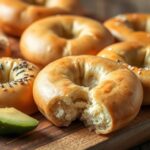
- Divide the dough into 8 equal portions for medium-sized bagels. I use a kitchen scale (each about 75–85g) for consistency, but you can eyeball it. Roll each portion into a ball, then press your thumb through the center and gently widen to create a ring. The hole doesn’t have to be perfect — that rustic look is part of the charm.
Top and arrange
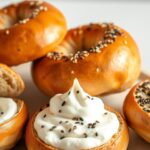
- Place bagels on the prepared baking sheet, leaving room between them. Lightly brush the tops with a little water (this helps seeds stick). Add sesame, poppy, or sunflower seeds, or sprinkle dried onion/garlic powder as desired.
Bake
- Bake at 375°F (190°C) for 20–25 minutes until golden brown and hollow-sounding when tapped on the bottom. Baking time varies with oven and bagel size; if you made smaller bagels, start checking around 15–18 minutes.
Cool and serve
- Transfer to a wire rack and let cool for 10–15 minutes before slicing. Warm bagels are lovely to slice and toast lightly, but cooling helps set the crumb for cleaner slices.
Tips on technique and nutrient preservation:
- Use moderate oven temperature and avoid overbaking to preserve nutrients from any added seeds or nutritional yeast.
- If adding delicate herbs, fold them in last to keep their flavor bright.
- For better texture, handle dough minimally; overworking can make bagels tough.
- Toasting the seeds lightly before topping can deepen flavor, but do it briefly so you don’t lose heat-sensitive nutrients.
I sometimes link my bagel batches with seasonal sides and snacks; another great resource for pairing ideas is this gluten-free Thanksgiving sides list I go back to for inspiration.
Common Mistakes to Avoid
Even a simple recipe has a few traps that can quietly change the outcome. Below I explain common slip-ups and how to sidestep them so your 15 G Protein Bagels turn out reliably good.
Overhandling dough, mismeasuring flour, and rushing the shaping stage are three frequent issues that lead to dense or misshapen bagels. Read through these short notes and keep calm at each step — gentle, consistent technique is the key.
Mistake 1: Adding too much water
Too much water makes the dough too soft and difficult to shape. Add water slowly, a teaspoon or tablespoon at a time, and stop when the dough is soft but still holds a shape. If you over-add, dust with a little more high-protein flour and fold gently until it firms up.
Mistake 2: Overmixing or overworking the dough
I know it’s tempting to knead aggressively to get a smooth texture, but overworking can develop too much structure and make bagels dense. Mix until you have a cohesive ball and fold in add-ins gently. Minimal handling keeps the crumb tender.
Mistake 3: Skipping the rest/cool time
Slicing into piping-hot bagels can lead to a gummy texture and uneven slices. Let them rest on a cooling rack for 10–15 minutes; this final set helps the interior finish cooking and makes slicing easier.
Serving Suggestions for 15 G Protein Bagels
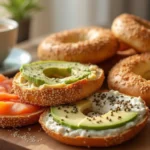
These bagels are versatile — I’ve made them for breakfast, a light lunch, or a portable snack. They shine with both savory and sweet toppings, and they’re sturdy enough for open-faced sandwiches or stacked deli-style meals.
Below are three of my favorite serving ideas that are simple, nutritious, and crowd-pleasing.
Savory brunch stack
Spread a thin layer of hummus, add a slice of roasted tomato, a handful of arugula, and sprinkle with sesame seeds. This keeps the meal balanced with protein, fiber, and fresh greens.
Sweet morning treat
Toast a half-bagel, spread with almond butter, and top with sliced banana and a sprinkle of cinnamon (or raisins folded into the dough earlier). It’s satisfying and naturally sweet without added refined sugar.
Sandwich-style lunch
Use a bagel as the base for a plant-based deli stack: layered pesto, grilled vegetables, and a smear of yogurt-based dressing. Add leafy greens for crunch and extra micronutrients.
Conclusion
I hope this guide helps you feel confident about making your own 15 G Protein Bagels — they’re nourishing, adaptable, and a lovely way to bring homemade goodness into your week. They support a balanced lifestyle by offering a protein-rich base that pairs well with fresh vegetables, nut butters, or savory spreads, and they’re easy to scale for meal prep. If you want a recipe with similar goals and a slightly different method, I found the Protein Bagels (15g Protein, No Eggs, No Dairy) post helpful for extra inspiration. Try the recipe, tweak it to your tastes, and let me know what mix-ins you love — I’m always excited to hear how readers make it their own.
FAQs About 15 G Protein Bagels
Q1: How long do 15 G Protein Bagels keep in the fridge?
A1: 15 G Protein Bagels keep well in an airtight container in the fridge for up to 5 days. For best texture, slice and toast them when ready to eat. If you plan to keep them longer, freeze individual bagels for up to 2–3 months.
Q2: Can I make 15 G Protein Bagels gluten-free?
A2: Yes — you can use a certified gluten-free high-protein flour blend. Because gluten-free flours handle liquid differently, you may need to adjust water and binder amounts; adding an extra tablespoon or two of thick yogurt or a flax egg can help with structure.
Q3: How do I ensure each 15 G Protein Bagel has about 15 grams of protein?
A3: The protein comes mainly from the high-protein flour and the plant-based Greek-style yogurt. Use a product labeled “high-protein” and a thick, protein-rich yogurt; if you want to increase protein, add a scoop of neutral-tasting protein powder to the dry mix and adjust liquids slightly.
Q4: Are 15 G Protein Bagels suitable for meal prep?
A4: Absolutely. Bake a batch, let them cool completely, then store in the fridge for quick breakfasts or freeze individually wrapped for longer storage. They reheat nicely in a toaster or oven.
Q5: Can I substitute regular dairy yogurt in the 15 G Protein Bagels recipe?
A5: Yes, regular Greek-style dairy yogurt can be used and will give a similar texture and protein boost. If you prefer plant-based options, stick with thick, Greek-style alternatives to maintain dough consistency.

15 G Protein Bagels
- Total Time: 40 minutes
- Yield: 8 servings 1x
- Diet: Vegetarian
Description
Wholesome, high-protein bagels made with high-protein flour and plant-based Greek-style yogurt, perfect for a nutritious breakfast.
Ingredients
- 2 cups high-protein flour
- 1 cup plain thick plant-based Greek-style yogurt
- 1 teaspoon baking powder
- 1/2 teaspoon fine salt
- Water, as needed
- 1 tablespoon maple syrup or agave (optional)
- 2 tablespoons chia or flax seeds (optional)
- 2–3 tablespoons sesame, poppy, or sunflower seeds (optional)
- 1 teaspoon dried onion or garlic powder (optional)
- 1–2 tablespoons nutritional yeast (optional)
- 1/4 cup finely chopped herbs or sun-dried tomatoes (optional)
- A pinch of cinnamon and a tablespoon of raisins (optional)
Instructions
- Preheat your oven to 375°F (190°C). Line a baking sheet with parchment paper.
- Mix the dry ingredients: In a large bowl, whisk together the flour, baking powder, and salt.
- Add the yogurt and maple syrup (if using) to the dry ingredients. Fold until a shaggy dough forms.
- Adjust with water if needed, adding it slowly until you can form a soft, slightly tacky ball.
- Add mix-ins, if desired, folding them gently into the dough.
- Divide the dough into 8 equal portions, roll into balls, and shape into bagels.
- Top with seeds or seasonings as desired and arrange on the baking sheet.
- Bake for 20–25 minutes until golden and hollow-sounding when tapped.
- Cool on a wire rack for 10–15 minutes before serving.
Notes
These bagels are great for meal prep and can be customized with various mix-ins and toppings.
- Prep Time: 15 minutes
- Cook Time: 25 minutes
- Category: Breakfast
- Method: Baking
- Cuisine: American
Nutrition
- Serving Size: 1 bagel
- Calories: 200
- Sugar: 2g
- Sodium: 150mg
- Fat: 5g
- Saturated Fat: 1g
- Unsaturated Fat: 4g
- Trans Fat: 0g
- Carbohydrates: 30g
- Fiber: 4g
- Protein: 15g
- Cholesterol: 0mg
Keywords: protein bagels, homemade bagels, healthy breakfast, vegetarian breakfast