Last updated on December 20, 2025
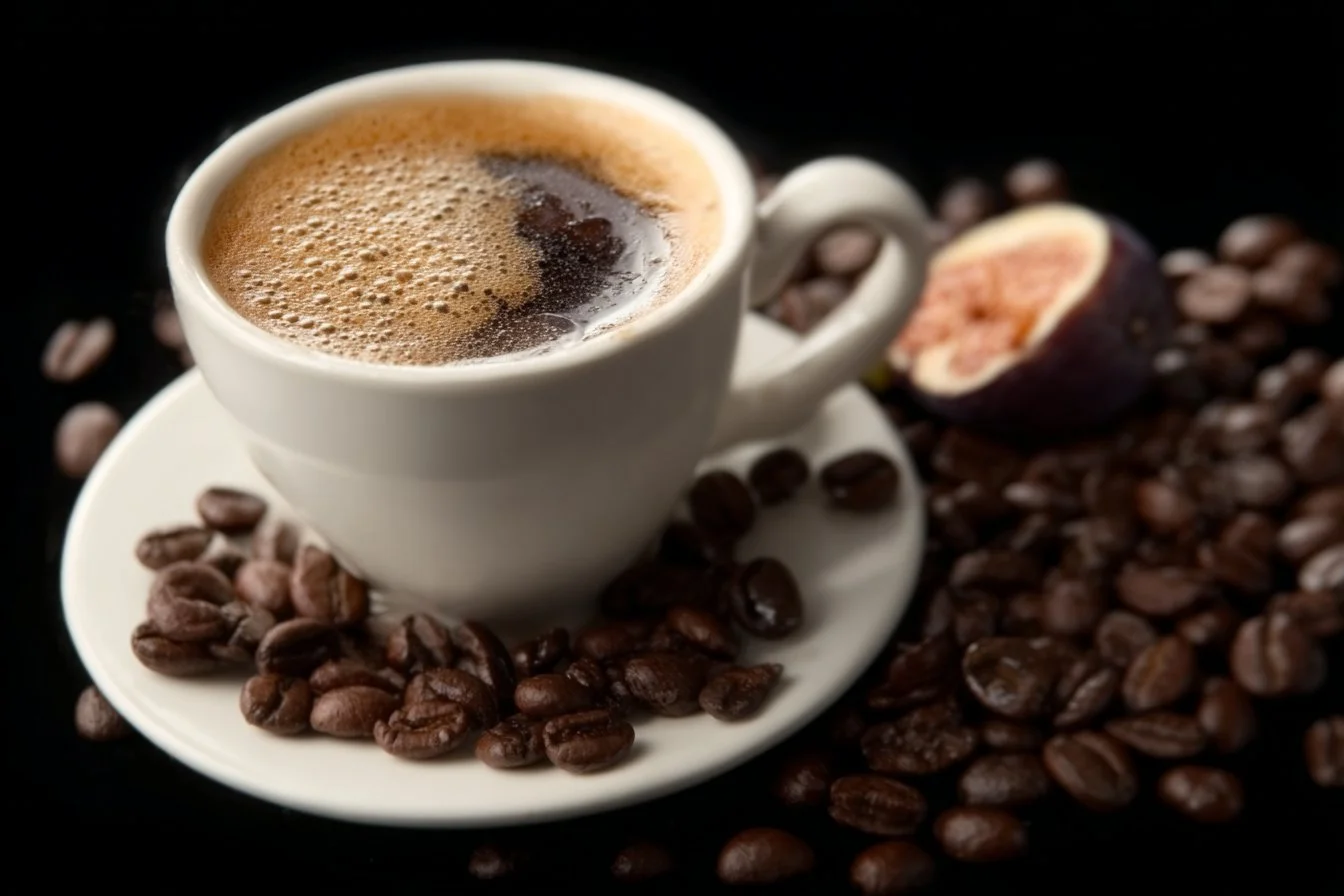
I still remember the first time I roasted figs for coffee: the kitchen smelled like late summer and wood smoke, and I stood there with a mug cupped between my hands, feeling like I’d stumbled onto a little homegrown secret. If you love cozy drinks with a touch of sweet, earthy flavor, this recipe for English Coffee with Roasted Figs will hit that comforting spot. I’ll walk you through every step so it’s simple and stress-free—even if you’ve never roasted fruit or ground beans at home. And if you’d rather sip and bake, you might enjoy a rich coffee dessert like this pumpkin spice latte cake with coffee cream while your figs roast.
Table of Contents
Why I Love This Recipe of English Coffee with Roasted Figs
This coffee is one of those small pleasures that feels both fancy and familiar. I love it because it brings a natural sweetness and a deep, almost jammy note to regular coffee without adding sugar or syrups. The figs caramelize as they dry, concentrating flavor into something warm, honeyed, and gently tart. For beginner cooks, this is a forgiving recipe: you don’t need perfect technique or expensive gear. The worst that happens is you learn the exact roast time you prefer, and the best thing that happens is you fall in love with a new morning ritual. It’s cozy on cool mornings, great for guests, and satisfying when you want to lift ordinary coffee into something memorable.
Ingredients You’ll Need for English Coffee with Roasted Figs
Below I list what I use and why. The beauty of this recipe is its simplicity—only a few good ingredients and a little patience. I also include optional add-ons, substitutions, and shortcuts so you can make this your own.
What you need (makes about 4 cups brewed coffee)
- 3/4 to 1 cup whole coffee beans (prefer medium to dark roast; choose a single-origin or blend you enjoy)
- 8–10 fresh figs (ripe, but still firm—Black Mission or Brown Turkey are lovely)
- Water for brewing (filtered if possible)
- Optional: a pinch of cinnamon or ground cardamom when brewing (very small amount, to taste)
- Optional: milk, half-and-half, or plant milk for serving
- Optional: honey or brown sugar for those who want added sweetness (I often skip this)
Substitutions and notes
- Dried figs: You can use high-quality dried figs if you can’t get fresh ones. Skip the long roast and lightly toast them in a 300 °F oven for 10–15 minutes to warm and slightly crisp the exterior before blending them with beans.
- Coffee beans: If you only have pre-ground coffee, you can pulse ground coffee with small pieces of roasted fig in a spice grinder and then brew, but the flavor will be different than grinding whole beans fresh.
- Equipment: If you don’t have a blender capable of grinding, use a coffee grinder for beans and a small food processor for figs, then mix, or press figs into the grounds and brew in a French press.
Shortcuts
- Use a convection oven if you have one; it can reduce roasting time slightly and help even drying.
- For a quicker fig flavor, halve figs and roast at 350 °F for 20–30 minutes until slightly shriveled, then combine with beans; the flavor will be less concentrated but still delicious.
Pairing ingredients (ideas)
- Toasted nuts, toasted brioche, or simple buttered toast.
- A small cheese plate (goat cheese, brie, or sharp cheddar) for a savory counterpoint—if you want a warm snack, try roasted sweet potato rounds with herbed feta for a savory bite while your coffee steeps: herbed feta sweet potato rounds.
How to Make English Coffee with Roasted Figs Step-by-Step
I break this down into clear steps with exact temperatures and times. Take your time with the figs—they’re the heart of the flavor.
Step 1 — Choose and prepare your figs
- Pick ripe but slightly firm figs. Overripe figs will be too soft and sticky for even roasting; slightly underripe are better because they dry without falling apart.
- Wash the figs gently and pat dry. Trim stems and slice each fig in half lengthwise so more surface area dries and caramelizes.
- Place fig halves cut-side up on a parchment-lined baking sheet. Leave space between halves so they dry evenly.
Step 2 — Preheat and roast the figs
- Preheat oven to 300 °F (149 °C). This lower temperature allows the figs to slowly dehydrate and concentrate sugars without burning.
- Place the baking sheet on the middle rack. Roast for 1–2 hours. Exact time depends on fig size, water content, and oven. Check at 60 minutes. The figs should be completely dry, slightly shriveled, and crackly on the surface—not sticky.
- Rotate the pan after 45–60 minutes for even heat. If you notice any figs charring, move them to a less hot part of the pan or reduce oven temperature by 10–15 degrees.
- When done, let figs cool on the baking sheet. They will crisp slightly as they cool.
Step 3 — Grind the coffee with roasted figs
- If you have a blender that can grind beans, combine your whole coffee beans and cooled roasted figs directly in the blender. Use a 3:1 to 4:1 ratio by volume of beans to figs depending on how strong you want the fig flavor. For example, 1 cup beans to 8–10 figs is a good starting point.
- Pulse to break up large pieces, then grind until you reach a medium-coarse texture if brewing with a French press, or a medium-fine texture for drip machines. Don’t over-grind into powder if you’ll use a filter brew method; that can make extraction bitter.
- If using a dedicated coffee grinder: grind the beans first, then chop roasted figs in a small food processor and mix into the grounds. For espresso, grind finer and reduce the fig amount.
Step 4 — Brew the coffee
- Brew as you would regular coffee using your preferred method:
- French press: Use a medium-coarse grind. Combine grounds and hot water (about 200 °F / 93 °C). Stir gently, steep 3.5–4 minutes, then press.
- Pour-over / drip: Use a medium grind and follow your usual bloom and draw-down routine. The figs add more oils to the grounds, so pour a bit slower at first to allow even extraction.
- Moka pot: Use medium-fine grind. Fill filter basket with coffee-fig blend and brew as usual. Expect a richer, slightly syrupy cup.
- Espresso: Use finer grind with less fig to avoid clogging. Pull a standard shot time but watch pressure and flow.
- Typical ratio: Start with 1:15 coffee-to-water by weight (e.g., 20 g coffee-fig blend to 300 g water) and adjust to taste. Because figs add sweetness, you may prefer slightly less coffee to keep the brew smooth.
Step 5 — Taste and adjust
- Taste plain first. The figs should add a honeyed sweetness and a rounded fruit note. If it’s too sweet or syrupy, reduce the fig amount next time. If fig flavor is faint, increase figs by half next time.
- Add warm milk or cream if you like a latte-style drink. A small pinch of cinnamon or a very light grind of cardamom can enhance the fig notes—add to the grounds or to the cup.
Storage and leftovers
- Store extra roasted figs airtight at room temperature for up to two weeks, or freeze for several months.
- Keep any blended coffee-fig mix in an airtight jar for a day or two, but for best flavor grind beans fresh and add figs to freshly ground coffee each brew day.
How long does this take?
- Prep and roasting: 1–2 hours (hands-on time about 15–20 minutes)
- Grinding and brewing: 10–15 minutes
- Total: about 1.5 to 2.5 hours from start to finish, but most of that is passive oven time.
Common Mistakes to Avoid English Coffee with Roasted Figs
Here I list three common missteps and how to avoid them. Small mistakes can change the flavor. I’ll help you steer clear of them.
1. Overly wet or sticky figs
A common error is roasting figs at too high a temperature or not drying them long enough. The result is sticky, under-dried fruit that clumps in your grinder and can clog a filter or make the grounds gummy. To avoid this:
- Roast at a steady 300 °F (149 °C) and check at the one-hour mark. Look for a dry, crackly surface.
- If figs still feel tacky, return to the oven for another 15–30 minutes.
- Cool fully before grinding. The cooling step completes drying.
2. Grinding to the wrong size
If you grind the coffee-fig mix too fine or too coarse for your brewing method, extraction will be off. Too fine and your coffee can taste bitter and over-extracted; too coarse and it may taste weak and sour.
- Match grind size to your brewer (coarse for French press, medium for drip, fine for espresso).
- If grinding beans and figs together in a blender, pulse in short bursts and check texture often.
- If you notice bitterness, try a coarser grind next time or shorten brew time slightly.
3. Using too many figs or too few
Figs are flavorful. If you add too many, the cup can become overly sweet and jammy, masking coffee’s acidity and complexity. If you add too few, you may not notice the point of the recipe.
- Start with a modest ratio like 1 cup beans to 8 figs (3:1 by volume), then adjust by half-fig increments for future batches.
- Remember: it’s easier to add more fig flavor next time than to take it away.
Serving Suggestions for English Coffee with Roasted Figs
Serving this coffee with simple, comforting food makes it feel like a small celebration. Below are three lovely pairings with notes on why they work.
1. Toasted bread and butter, or warm pastries
A slice of toasted sourdough, buttered brioche, or a warm croissant pairs beautifully with the coffee’s fig sweetness. The bread provides a neutral, slightly savory base that balances the cup’s caramel notes. If you want a slightly fancier pairing, serve with a thin smear of ricotta and a drizzle of honey.
2. Light cheese plate and nuts
Figs and cheese are classic together. A small plate with creamy goat cheese or mild brie, a handful of walnuts, and a few citrus segments complements the coffee’s fruit and caramel notes. For a more substantial mid-morning snack, try something baked and comforting—if you like richer pairings, brownies with strawberries and chocolate ganache are an indulgent treat that pairs surprisingly well: strawberries and ganache brownies.
3. Savory breakfast bites
For a savory contrast, try roasted sweet potato rounds topped with a dollop of herbed feta or soft cheese. The earthiness of the sweet potato and tang of feta cut through the coffee’s sweetness, creating a well-rounded bite. If you like heartier savory options, classics like a warm stew or stuffed pasta can give a full meal feeling alongside your mug—think of comfort dishes such as beef stew with potato topping for cool days when you want something very cozy.
Tips for serving temperature and style
- Serve hot and fresh. Reheating coffee tends to flatten the complex fig notes.
- For guests, offer milk and honey on the side so people can tune sweetness.
- Present roasted figs on the side as a garnish if you roasted extra—guests may like to nibble or add one to their cup.
Extra ideas: turn this into a latte
- Make a fig syrup by simmering extra roasted figs with a little water and honey, then strain. Add a small spoonful to steamed milk and espresso for a fig latte.
- Or, pour hot coffee over warmed milk for a simple cafe au lait with fig undertones.
More technique notes and helpful tips
Choosing figs by season
- Fresh figs have a short season depending on your region—typically late summer into early fall. If you can, pick figs on the day you roast them for best flavor. If not, high-quality dried figs are a fine fallback.
Why roast instead of using fresh whole figs
- Roasting concentrates sugars and drives off moisture, yielding a deeper, caramelized flavor that complements coffee. Fresh figs would add more subtlety and could introduce moisture that interferes with grind and extraction.
Cleaning and equipment care
- Figs add natural sugars and oils to grinders and French presses. Clean equipment soon after use. For grinders, a few tablespoons of uncooked rice ground through will help absorb residual oils; then wipe with a dry brush. For French presses, rinse promptly and soak if needed to remove sticky residue.
Experimenting with other fruits or spices
- If you love the method, try roasting pears, apples, or plums the same way and blending with coffee. Add a faint pinch of cloves or cinnamon to expand the spice profile—just be careful; these are strong and can overpower delicate fig notes.
Conclusion
You’ve learned how easy and rewarding it is to make English Coffee with Roasted Figs at home: roast figs slowly until crackly, grind them with your beans, and brew as usual for a warm, sweet, and cozy cup. It’s a beginner-friendly process that invites small experiments—adjust fig-to-bean ratios, try different brewing methods, and pair the coffee with simple baked goods or savory bites. If you want to explore more ways to enjoy roasted figs, check this recipe for Roasted figs (with honey and port) for a sweeter, syrupy take, or try out a savory grain dish like Buckwheat casserole with roasted figs and grapes – Cafe Liz to see how roasted figs play with grains and savory flavors.
FAQs About English Coffee with Roasted Figs
Q1: How long does English Coffee with Roasted Figs last once brewed?
A1: Freshly brewed English Coffee with Roasted Figs is best enjoyed immediately. The fig flavors are brightest within the first 30 minutes. If you must store it, keep it in a sealed thermos and sip within a few hours; reheating will dull the nuanced notes.
Q2: Can I use dried figs to make English Coffee with Roasted Figs?
A2: Yes. Use quality dried figs and toast them briefly to warm and slightly crisp the exterior. Because they’re already dehydrated, you don’t need the long roast. Chop and mix with ground coffee or pulse gently in a grinder before brewing.
Q3: Is English Coffee with Roasted Figs suitable for espresso machines?
A3: It can be adapted for espresso, but use fewer figs and a fine grind. Because roasted figs add oils and sugars, watch extraction closely to avoid clogging or over-extraction. Start with a smaller test shot and adjust fig amounts until you get the balance you like.
Q4: What ratio of figs to coffee should I use for English Coffee with Roasted Figs?
A4: A good starting point is about 1 cup whole beans to 8–10 medium fresh figs (roughly a 3:1 beans-to-figs ratio by volume). Adjust next time depending on how pronounced you want the fig flavor. Less fig gives a hint; more fig pushes the cup toward jammy sweetness.
Q5: Can I make English Coffee with Roasted Figs if I don’t have a blender that grinds beans?
A5: Absolutely. Grind beans in a coffee grinder and process roasted figs in a small food processor or chop them finely, then combine. For French press, mix chopped figs into the grounds and brew. If using drip, ensure the fig pieces are small enough not to clog filters.
Thank you for reading. I hope this recipe brings a little bit of cozy comfort to your mornings—or your slow afternoons. Try it once and tweak it to your taste; I bet it will become a regular, warm ritual in your kitchen.
Print
English Coffee with Roasted Figs
- Total Time: 140 minutes
- Yield: 4 servings 1x
- Diet: Vegetarian
Description
A cozy drink that combines the sweetness of roasted figs with rich coffee, perfect for a comforting morning ritual.
Ingredients
- 3/4 to 1 cup whole coffee beans (medium to dark roast)
- 8–10 fresh figs (ripe but firm)
- Water for brewing (filtered if possible)
- Optional: a pinch of cinnamon or ground cardamom
- Optional: milk, half-and-half, or plant milk for serving
- Optional: honey or brown sugar for added sweetness
Instructions
- Prepare the figs: Wash, pat dry, trim stems, and slice figs in half lengthwise. Place cut-side up on a parchment-lined baking sheet.
- Preheat the oven to 300 °F (149 °C) and roast figs for 1–2 hours until dry and slightly shriveled.
- Grind the coffee with roasted figs using a blender or coffee grinder.
- Brew the coffee using your preferred method (French press, pour-over, Moka pot, or espresso).
- Taste and adjust sweetness or add spices as desired.
Notes
Store extra roasted figs airtight at room temperature for up to two weeks. Serve hot and fresh for best flavor.
- Prep Time: 20 minutes
- Cook Time: 120 minutes
- Category: Beverage
- Method: Roasting and Brewing
- Cuisine: American
Nutrition
- Serving Size: 1 cup
- Calories: 200
- Sugar: 10g
- Sodium: 5mg
- Fat: 3g
- Saturated Fat: 1g
- Unsaturated Fat: 2g
- Trans Fat: 0g
- Carbohydrates: 45g
- Fiber: 5g
- Protein: 3g
- Cholesterol: 0mg
Keywords: coffee, roasted figs, cozy drink, morning beverage, fall recipes