
Last updated on December 13, 2025
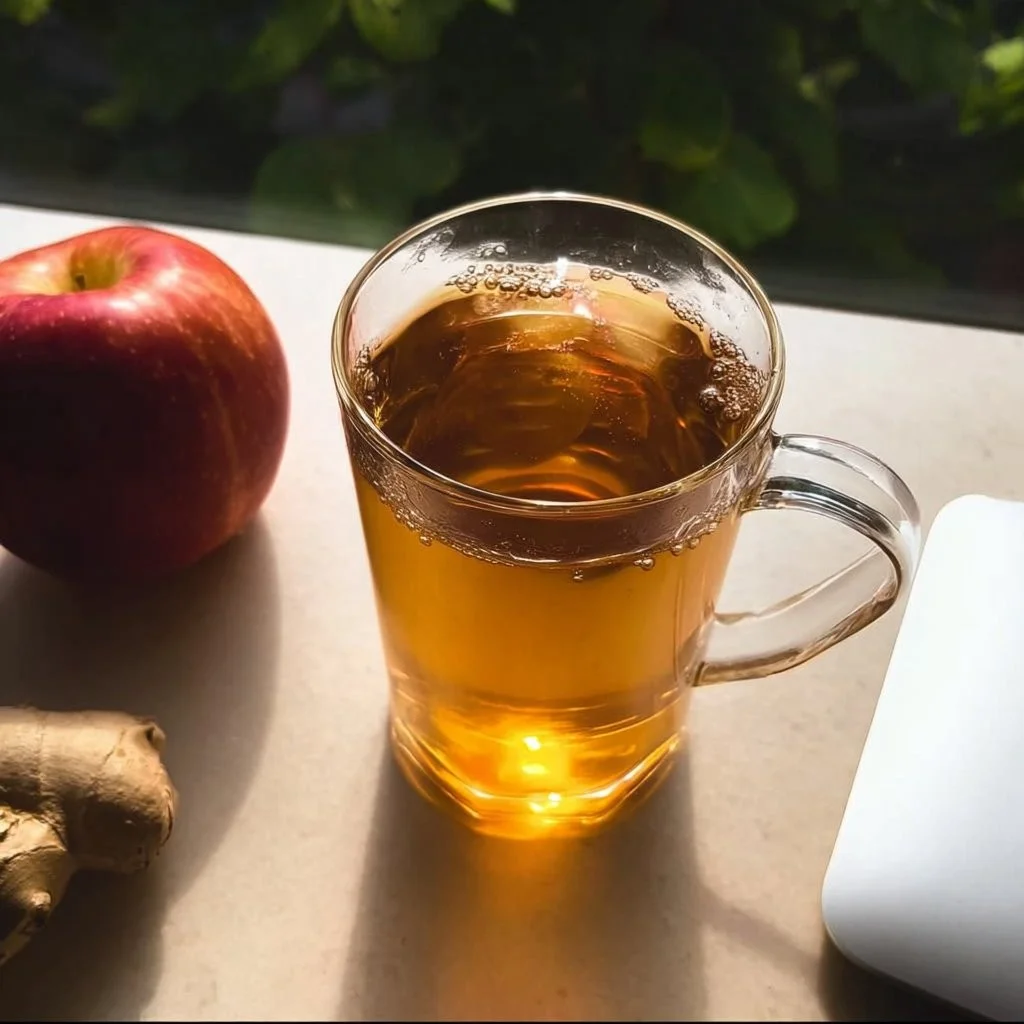
I still remember the first time I brewed Korean apple tea on a gray, rainy afternoon. The house felt chilly, and I’d wanted something gentle and warm that didn’t demand too much attention. The slow, sweet scent of apples simmering with ginger filled the kitchen and somehow made everything feel soft and calm. If you’re craving a warm, soothing drink that’s simple to make and full of cozy comfort, this post will walk you through it in an easy, stress-free way—even if it’s your first time making tea from scratch.
Table of Contents
Why I Love This Recipe of Korean Apple Tea
Korean apple tea, or saenggwa-cha when made from dried fruits and saegwa-cha when made from fresh apples, is the kind of recipe that feels like a hug in a mug. I love it for its gentle balance of flavors: the sweet, light apple base warmed by the bright, spicy flicker of fresh ginger and rounded out with a whisper of cinnamon when I want an extra layer. It’s not flashy, but it’s honest. It’s a drink you can sip slowly while wrapped in a blanket, or serve to guests when you want something homemade and thoughtful without fuss.
This recipe is particularly kind to beginner cooks because it doesn’t require special equipment or precise timing. You don’t need perfect knife skills: apples can be cored and roughly sliced, and the ginger can be thinly sliced or even grated if you like a stronger kick. The simmer-and-strain method is forgiving. If you forget the pot for a few minutes, you won’t ruin it—just lower the heat and let the apples soften a touch more.
There are practical benefits, too. Apple tea warms you up while feeling light, so it works as a gentle morning ritual or a bedtime treat. The ginger gives it a little digestive comfort after heavy meals, and the whole thing is caffeine-free, making it a nice swap when you want something cozy in the evening. I often make a batch and keep it in a thermos—one pot is enough to share or to enjoy for a couple of days in the fridge.
If you enjoy experimenting with warm beverages, you might also like my thoughts on pairing fruity teas—try this antioxidant blueberry lemon green tea for a bright contrast to apple tea: antioxidant blueberry lemon green tea. It’s a different mood but shares the same homey spirit.
Ingredients You’ll Need for Korean Apple Tea
Essentials
- 2 medium apples, cored and sliced (leave the skin on for color and nutrients; choose a sweet-tart variety like Fuji, Gala, or Honeycrisp)
- 1 inch fresh ginger, thinly sliced (about a thumb-sized piece)
- 2 cups water (for 1–2 servings; scale up if you’re making more)
- 1–2 tablespoons honey (optional, to taste; you can also use sugar, maple syrup, or agave)
- 1 cinnamon stick (optional, for extra warmth and aroma)
Optional add-ons (to experiment with)
- Lemon slice or a splash of lemon juice — brightens the flavor.
- Cardamom pod or a pinch of ground cardamom — adds floral warmth.
- Star anise or a clove — for a spiced, aromatic twist.
- Dried jujube (Korean dates) or dried persimmon slices — traditional additions when available.
- A thin slice of orange peel — adds a citrusy note.
- A small piece of fresh turmeric — earthy and warming.
Substitutions and Shortcuts
- Apples: If you don’t have fresh apples, you can use 1 cup of unsweetened apple juice and steep it with ginger for a quicker option. Fresh is best for texture and aroma, but juice works in a pinch.
- Ginger: Ground ginger can be used, but fresh ginger provides the bright, clean heat that makes this tea sing. If using ground ginger, start with 1/8 teaspoon and adjust carefully.
- Sweetener: Honey blends beautifully with the tea, but maple syrup or regular sugar are fine. For a vegan option, use maple syrup or agave.
- Cinnamon: If you don’t have a cinnamon stick, a pinch of ground cinnamon works. Swap it in during serving rather than simmering to retain the aroma.
- Speed up prep: Slice apples and ginger ahead of time and keep them in the fridge so a warm cup is ready in minutes.
How to Make Korean Apple Tea Step-by-Step
Before we start, gather your tools: a medium pot, a sharp knife and cutting board, a small strainer or fine-mesh sieve, a spoon, and a mug. If you like a clear, jewel-toned cup, use a fine sieve; if you’re okay with tiny bits of fruit, a regular tea strainer works too.
Step 1 — Prepare your apples and ginger
- Wash the apples thoroughly. If you prefer, peel them, but I usually leave the skin on for extra flavor and color.
- Core each apple and slice into medium-thick wedges. Aim for roughly 1/3-inch slices so they soften evenly.
- Slice the ginger thinly. If you want a stronger ginger flavor, grate it with the fine side of a box grater or microplane—use about 1 teaspoon of grated ginger to start and add more if desired.
Tips:
- Cut apples into similar-sized pieces so they cook evenly.
- If you want a smoother, almost jammy tea, chop the apples smaller or give them a brief mash after simmering.
Step 2 — Build the flavor in the pot
- Put the apple slices and ginger into a medium pot.
- Add 2 cups of cold water — cold water helps extract flavor as it heats.
- If you’re using a cinnamon stick, add it now. If not, you can add cinnamon at the end.
Tip:
- I often add a thin strip of lemon peel during this stage for brightness. If you do, avoid the bitter white pith.
Step 3 — Bring to a gentle boil
- Place the pot over medium heat and bring the water to a gentle boil. This usually takes about 6–8 minutes depending on your stove.
- Once you see the first lively bubbles, reduce the heat so the liquid simmers gently.
Why not a rolling boil? A calm simmer keeps the flavors round and prevents the apples from breaking down too fast into an overcooked mush.
Step 4 — Simmer until apples are soft
- Let the mixture simmer for about 12–20 minutes. I recommend starting at 15 minutes and checking for tenderness.
- The apples should be soft and releasing their juices into the water. The color will shift to a warm amber, and the kitchen will smell sweet and a bit spicy.
Tip:
- If you like a more concentrated flavor or a deeper color, simmer longer or use an extra apple.
- If you prefer a subtle ginger touch, simmer for the lower end of the time range.
Step 5 — Taste and adjust
- Turn off the heat and taste a spoonful of the liquid. If you want it sweeter, stir in 1–2 tablespoons of honey while the tea is still warm so it dissolves easily.
- If it tastes flat, a splash of lemon juice brightens the drink.
Step 6 — Strain and serve
- Place a fine-mesh sieve over your mug or teapot and strain the tea. Use a spoon to press gently on the softened apples to extract more flavor (but don’t push too hard or you’ll get pulp).
- Add a cinnamon stick for presentation and fragrance, if desired.
- Serve warm. If you made a larger batch, let it cool to room temperature before refrigerating in a sealed container. Reheat gently on the stove or microwave in short bursts.
Common Mistakes to Avoid Korean Apple Tea
Below are three common missteps and how to avoid them so your apple tea turns out just right every time.
Using too much sweetener
It’s easy to reach for sugar or honey when the first sip tastes mild, but adding too much sweetener can mask the delicate balance between apple and ginger. Honey enhances the tea’s natural sweetness and adds floral notes, but start small—1 teaspoon at a time—and taste as you go. If you’re making a batch that will sit in the fridge, remember that flavors can meld and taste sweeter after a day. When in doubt, add less now and sweeten a single cup later.
Overcooking the apples
Leaving the pot at a high boil or simmering too long can break down the apples into pulp and create a cloudy, overly thick brew. You’ll still have a drinkable tea, but it might lack clarity and could taste mushy rather than light and aromatic. Simmer gently and keep an eye on texture. If you accidentally overcook, you can strain and chill the liquid; the flavor is still good for using in baking or as a syrup-like base for mocktails.
Skipping the ginger or not adjusting its strength
Ginger is a key partner to the sweet apples—it brings brightness and a little heat. Some recipes call for more ginger, others for less. The mistake is either omitting it or adding a whole large knob and overpowering the apple. Slice your ginger thinly and start with about 1 inch for two apples. If you prefer a stronger kick, grate a small amount and add a tad more after tasting. Remember that fresh ginger’s heat intensifies as it simmers, so factor that in.
Serving Suggestions for Korean Apple Tea
Korean apple tea is versatile—here are three cozy ways I like to enjoy it, with ideas for pairing and presentation.
Morning Ritual
Start your day gently by treating apple tea like a morning tonic. I like it plain with a spoonful of honey and a thin lemon slice. Pair it with a simple breakfast: oatmeal or a warm grain bowl makes a comforting combo. For something bright and light, a small fruit salad or a yogurt parfait works nicely. If you want a savory contrast, try it alongside an egg and avocado toast—the apple tea’s sweetness offsets the richness.
Post-meal digestif
Apple tea shines as a warm, soothing post-meal drink. The combination of apple and ginger helps with digestion after heavy dinners without the buzz of caffeine or alcohol. Serve it in small cups with a cinnamon stick for stirring, perhaps with a few low-sugar cookies or a small piece of dark chocolate. For a lighter option, a crisp apple and a handful of roasted nuts make a nice pairing.
If you’re serving it after an Asian-inspired meal, it complements fresh, crunchy green salads well—try pairing with a simple apple-forward salad like an apple, broccoli, and cauliflower salad for a harmonious finish: apple, broccoli, cauliflower salad. The textures and apple notes echo one another nicely.
Cozy afternoon or evening treat
Turn apple tea into an event for a chilly afternoon. Brew a pot and set out a small selection of toppings: honey, lemon slices, extra ginger, and cinnamon sticks. Let guests customize. Serve with a warm baked snack—banana bread, scones, or a simple spice cake are all lovely companions. For a festive touch, float thin apple slices and a cinnamon stick in each cup. You can also ladle a few softened apple bits into the mug so people can enjoy them with a teaspoon.
Conclusion
You’ve learned how simple and forgiving Korean apple tea is to make. It’s a small recipe with big comfort: apples, ginger, water, and a touch of honey or cinnamon if you like—nothing fussy, all warmth. You can customize it to be gentle or bold, clear or chunky, quick or slow-brewed. Whether you’re sipping alone on a cold afternoon or sharing a pot with friends, this drink is a cozy classic that’s beginner-friendly and deeply satisfying.
If you’d like to explore a closely related version with ginger and cinnamon that inspired some of my variations, check out this detailed take on the tradition: Korean Apple Tea with Ginger and Cinnamon (Saegwa Cha) | The Subversive Table. I find it helpful to see other people’s small adjustments and serving ideas for more inspiration.
Looking for more delicious recipes? Follow us on Pinterest and Facebook!
FAQs About Korean Apple Tea
What is Korean Apple Tea and how do I make Korean Apple Tea at home?
Korean Apple Tea, often called saegwa-cha when made from fresh apples, is a warm, sweet beverage made by simmering apple slices with ginger and sometimes cinnamon. To make it at home, core and slice two apples, thinly slice about 1 inch of ginger, combine with 2 cups water, bring to a gentle boil, then simmer for about 15 minutes until the apples are soft. Strain and sweeten with honey if desired. It’s easy, comforting, and caffeine-free.
Can I make Korean Apple Tea without fresh apples?
Yes, you can make a version of Korean Apple Tea without fresh apples by using unsweetened apple juice as the base and simmering it with fresh ginger and cinnamon to build flavor. The fresh-apple version has a more natural aroma and texture, but the juice shortcut is useful when fresh fruit isn’t available. Adjust sweetness and simmer time to taste.
How long will homemade Korean Apple Tea keep in the refrigerator?
Homemade Korean Apple Tea keeps nicely in the refrigerator for up to 3 days in a sealed container. For best flavor, strain the tea and store the liquid separately from any softened apple pieces. Reheat gently on the stove or in the microwave before serving. Avoid reheating multiple times to keep the flavors bright.
Is Korean Apple Tea good for digestion and are there health benefits?
Korean Apple Tea is gentle and can help soothe digestion—the ginger provides warmth and digestive support, while apples offer mild natural sweetness and nutrients. It’s a caffeine-free, hydrating option and a comforting choice when you don’t want a heavy or stimulating beverage. If you have specific health concerns or allergies, check ingredients and consult your healthcare provider.
Can I serve Korean Apple Tea iced or cold?
Absolutely. Make a slightly stronger batch of Korean Apple Tea, chill it in the fridge, and serve it over ice. For an extra-refreshing version, add a splash of soda water and a lemon wheel. A cold version works well in warmer weather and keeps the same cozy apple-ginger flavor in a cooler format.
If you try this recipe, I’d love to hear how you like your apple tea—mild and honeyed, gingery and bold, or spiced with cinnamon and cardamom. It’s a small ritual that warms more than your hands: it warms the moment.
Print
Korean Apple Tea
- Total Time: 30 minutes
- Yield: 2 servings 1x
- Diet: Vegan
Description
A warm and soothing drink made with fresh apples, ginger, and optional spices, perfect for cozy moments.
Ingredients
- 2 medium apples, cored and sliced
- 1 inch fresh ginger, thinly sliced
- 2 cups water
- 1–2 tablespoons honey (optional, to taste)
- 1 cinnamon stick (optional)
- Lemon slice (optional)
- Cardamom pod (optional)
- Star anise (optional)
- Dried jujube or persimmon slices (optional)
- Fresh turmeric (optional)
Instructions
- Prepare your apples and ginger: Wash the apples, core, and slice them. Slice ginger thinly or grate for more flavor.
- Build the flavor: Put the apple slices and ginger into a pot, add cold water, and a cinnamon stick if using.
- Bring to a gentle boil: Heat over medium until boiling, then reduce to a gentle simmer.
- Simmer until apples are soft: Let it simmer for about 12–20 minutes until apples soften and release juices.
- Taste and adjust: Turn off heat, taste, and add honey or lemon juice if desired.
- Strain and serve: Strain the tea into mugs, pressing on the apples for extra flavor.
Notes
You can customize the tea with various spices and sweeteners. Serve with apple bits for added texture.
- Prep Time: 10 minutes
- Cook Time: 20 minutes
- Category: Beverage
- Method: Simmering
- Cuisine: Korean
Nutrition
- Serving Size: 1 serving
- Calories: 150
- Sugar: 20g
- Sodium: 10mg
- Fat: 0g
- Saturated Fat: 0g
- Unsaturated Fat: 0g
- Trans Fat: 0g
- Carbohydrates: 38g
- Fiber: 3g
- Protein: 1g
- Cholesterol: 0mg
Keywords: Korean apple tea, saenggwa-cha, cozy drink