Last updated on June 14, 2026
A Cozy Welcome
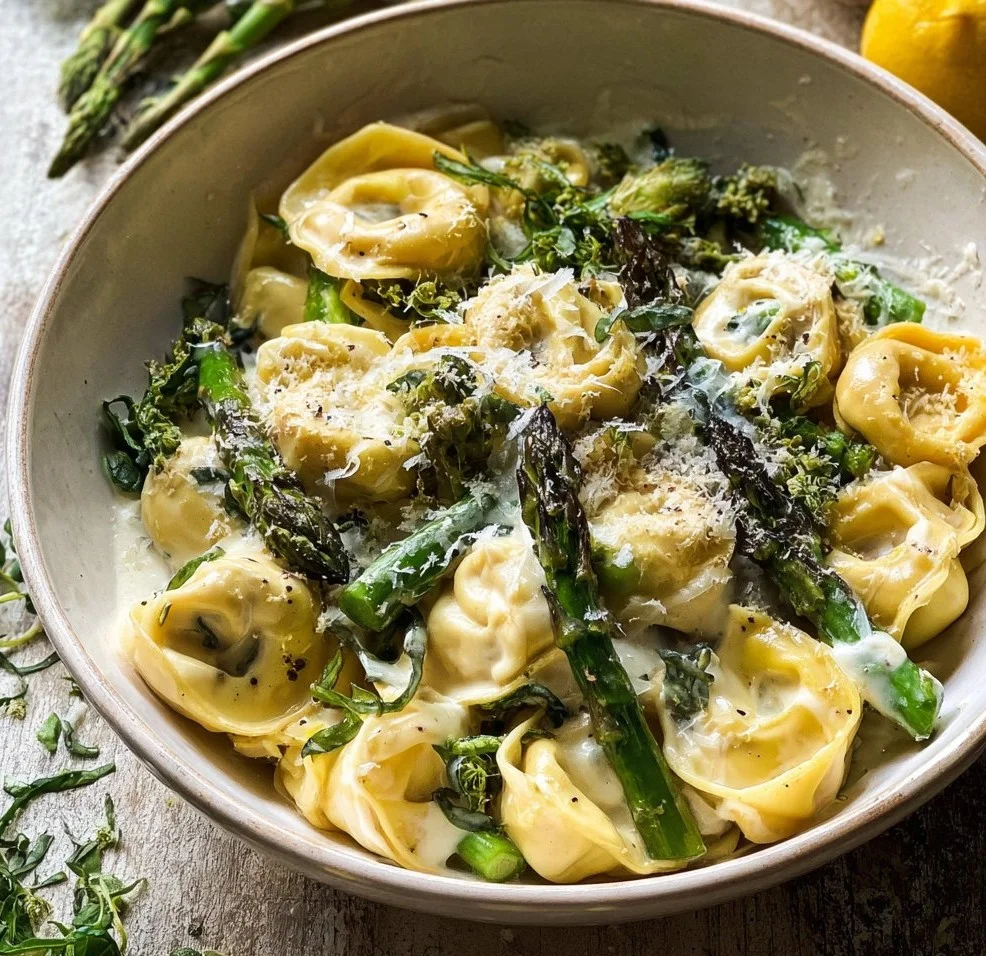
Have you ever come home craving something bright and comforting, only to find your fridge full of random spring veggies and not much else? I have — many times — and this Pasta with Lemon Cream Sauce and Spring Vegetables is my go-to rescue. It feels fancy enough for guests but simple enough for a weeknight, and if you’re a beginner who’s worried about a cream sauce “breaking,” I promise this one is forgiving and easy. If you like lemony pasta but want a lighter, veggie-forward dish, stick around — and if you want another lemony idea while you read, here’s a great zesty lemon ricotta and spinach pasta recipe I often flip between when I’m in the mood for greens.
A Quick Look at This Pasta with Lemon Cream Sauce and Spring Vegetables Recipe
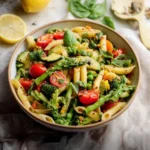
This Pasta with Lemon Cream Sauce and Spring Vegetables centers on two big flavors: bright lemon and salty Parmesan. It also leans on fresh spring vegetables (think asparagus, broccoli, and sugar snap peas) for flavor and texture. One key benefit is that it’s fast — pasta and veggies cook in the same pot, which saves time and dishes. It’s an ideal beginner recipe because the steps are clear and forgiving: you can adjust consistency with a splash of reserved pasta water and tweak lemon or salt to taste. Keep reading if you want an easy, cozy weeknight dinner that still feels a little special.
Ingredients You’ll Need for Pasta with Lemon Cream Sauce and Spring Vegetables
Essentials
- 4 tbsp (60 grams) unsalted butter — the base of the sauce; gives that silky mouthfeel.
- 2 medium shallots, finely minced — milder and sweeter than onions; they soften and add depth.
- 3 medium garlic cloves, finely minced — fragrance and a savory backbone.
- 1 large lemon, zested and juiced — the bright star of the sauce; zest and juice used separately.
- 1/2 tsp black pepper — freshly ground if possible.
- 1/2 cup (120 mL) chicken or vegetable stock — adds savory body; use vegetable stock for vegetarian.
- 1 cup (240 mL) heavy whipping cream, room temperature — creates the creamy base; room temp prevents chilling the sauce.
- 1 cup (80 grams) freshly grated Parmesan cheese, divided — freshly grated melts smoothly and gives that salty, nutty flavor.
- 1/4–1/2 tsp kosher salt — adjust to taste, especially after adding Parmesan.
- 1/4 tsp dried chili flakes (optional) — a small kick if you like heat.
- 4 tbsp finely minced fresh herbs (parsley, basil, or thyme) — freshness at the end.
- 14 oz (400 grams) pasta of your choice — long pasta like linguine or short shapes like penne both work.
- 5–6 cups fresh spring vegetables (broccoli florets, trimmed asparagus, sugar snap peas) — the “spring” in the dish; use a mix for color and texture.
Optional add-ons
- Toasted pine nuts or slivered almonds — for crunch and a toasty note.
- Lemon slices or extra lemon zest — for an extra pop at the table.
- A handful of baby spinach or arugula stirred in at the end — for extra greens that wilt into the sauce.
- A grating of Pecorino Romano alongside Parmesan — sharper, if you like a saltier edge.
- A few cherry tomatoes halved and gently warmed through — for juicy sweetness.
Substitutions and shortcuts
- Butter: You can use olive oil for a lighter, dairy-reduced version, though butter gives the creamiest texture.
- Shallots: Substitute 1 small yellow or sweet onion, minced; cook a touch longer until soft.
- Heavy cream: For a slightly lighter sauce, use half-and-half, but the sauce will be less rich and may require more careful simmering to thicken.
- Stock: If you don’t have stock, use water and a pinch more salt, or a little vegetable bouillon dissolved in water.
- Parmesan: Pre-grated cheese can work in a pinch, but it often contains anti-caking agents that make melting uneven. Freshly grated is best.
- Pasta: Any shape is fine — short shapes hold flecks of sauce in their curves; thin long pasta tosses beautifully with the sauce.
- Veggies: Frozen peas can be used if you don’t have fresh snap peas; add them in the last minute of pasta cooking just like the fresh veggies.
- Time-saver: Mince shallots and garlic ahead and store in a container in the fridge for 1–2 days, or use a food processor for quick mincing.
If you’d like a richer, meaty option on another night, I sometimes pair this pasta with a simple seared protein — reminds me of the flavors in a seared steak with cognac cream sauce I enjoy making for special dinners.
How to Make Pasta with Lemon Cream Sauce and Spring Vegetables Step-by-Step
I’ll walk you through every step like I’m standing beside you in the kitchen. The trick is timing: while the pasta cooks, you’ll make the sauce so everything comes together warm and glossy.
Prepare and salt the water
- Bring a large pot of water to a rolling boil. Add a generous pinch of kosher salt (about 1–2 tablespoons for a large pot). The water should taste like the sea — this is how you flavor the pasta itself.
- While the water heats, trim and prepare your spring vegetables: cut asparagus into 1–2 inch pieces, chop broccoli into small florets, and remove the strings from snap peas if needed.
Cook the pasta and vegetables together
- Add the pasta to the boiling water and stir so it doesn’t stick. Cook according to the package directions for al dente.
- About one minute before the pasta is done, add the prepared spring vegetables directly to the pot. This method saves time and keeps the veggies bright and slightly crisp.
- Reserve 1/2 cup of the starchy pasta cooking water into a small bowl before draining — this will help loosen or thicken the sauce as needed.
- Drain the pasta and vegetables in a colander and set them aside. Don’t rinse — you want the starch to help the sauce cling.
Soften the shallots and bloom the garlic
- In a large skillet over medium heat, melt the butter. Use a skillet large enough to hold the pasta later.
- Add the finely minced shallots and cook, stirring, until they are translucent and soft but not browned — about 3–4 minutes. If they begin to brown, lower the heat; you want sweetness, not crispness.
- Add the minced garlic, lemon zest (reserve the juice for later), and the black pepper to the skillet. Stir constantly for 30–60 seconds until fragrant. Garlic cooks fast; don’t let it burn.
Build the cream sauce
- Pour in the stock first and let it reduce slightly for a minute — this brings concentrated flavor into the sauce base.
- Add the heavy cream and stir to combine. Bring the mixture to a gentle simmer; you should see small bubbles, not a rolling boil.
- Stir in 3/4 cup of the freshly grated Parmesan cheese. Keep the heat moderate; the cheese should melt into the cream and thicken the sauce slowly. If the sauce seems too thick at this stage, add a splash of the reserved pasta water — a tablespoon at a time.
Brighten with lemon juice and adjust consistency
- Stir in the lemon juice and let the sauce simmer for 2–3 minutes until it slightly thickens and flavors meld. Taste after adding the juice — lemon will brighten everything, so assess whether you need more.
- If the sauce looks too thin, simmer gently (watching closely) until it reaches a glossy, coat-the-spoon consistency. If it’s too thick, whisk in reserved pasta water a little at a time; the starch helps bind the sauce and adds silkiness.
Combine pasta, vegetables, and sauce
- Add the drained pasta and vegetables directly into the skillet with the sauce. Toss gently but thoroughly with tongs or a large spoon so every strand or piece is coated. Use the reserved pasta water to loosen the sauce if it clings too tightly or if you want a looser finish.
- Stir in the remaining 1/4 cup of Parmesan cheese and the chopped fresh herbs. Taste and adjust salt and pepper — remember Parmesan adds saltiness, so add salt sparingly.
Finish and serve
- If you like heat, sprinkle a pinch of dried chili flakes over individual servings.
- Plate immediately, finishing with a little extra lemon zest and a dusting of Parmesan. Serve warm; the sauce thickens as it cools, so it’s best enjoyed fresh from the pan.
Tips while cooking:
- Keep your heat moderate when melting cheese into cream — high heat can make dairy separate.
- Room-temperature cream prevents a sudden chill that can slow thickening; it also blends more smoothly.
- Use freshly grated Parmesan for the best melting texture and flavor.
- Don’t be afraid to taste as you go — lemon, salt, and pepper balance the dish.
Common Mistakes to Avoid
Even simple recipes trip people up sometimes. I’ve made these mistakes myself — and learned quick fixes — so here’s what to watch for.
Mistake 1: Letting the cream boil too hard
A rolling boil can separate the cream and make the sauce grainy. Keep the sauce at a gentle simmer and remove it from heat if it gets too aggressive. Simmering slowly helps the Parmesan melt evenly and keeps the texture silky.
Mistake 2: Overcooking the vegetables
Adding the veggies too early or boiling them for too long will turn spring vegetables mushy and dull their color. Add veggies in the last minute of the pasta cooking time so they stay crisp-tender and bright.
Mistake 3: Not reserving pasta water
Skipping the reserved pasta water is a common oversight. That starchy water is magic — it loosens or tightens the sauce and helps it cling to the pasta. Keep at least 1/2 cup on hand.
Serving Suggestions for Pasta with Lemon Cream Sauce and Spring Vegetables
This pasta is flexible: it shines as a main course, pairs well with simple starters, and adapts easily for guests or weeknight family dinners.
A light starter
I like a simple arugula salad tossed with lemon vinaigrette, shaved Parmesan, and toasted walnuts. The peppery greens complement the citrus sauce without weighing the meal down.
Bread to sop up the sauce
A warm, crusty country bread or garlic bread is perfect for mopping up the creamy lemon sauce. If you prefer low-carb, a dry focaccia or crisp crostini adds texture without stealing the spotlight.
Simple dessert pairing
End the meal on a light note with lemon sorbet or a fruit-forward dessert like fresh berries with a dollop of mascarpone. The bright fruit echoes the lemon while staying refreshing after a creamy main.
Conclusion
I’ve found that Pasta with Lemon Cream Sauce and Spring Vegetables is one of those recipes that looks and tastes like effort but is actually very forgiving — perfect for cozy dinners when you want something special without fuss. It’s easy to customize: swap vegetables for what you have on hand, add nuts for crunch, or stir in greens for extra color. If you enjoyed this recipe and want another take on lemony spring pasta, I sometimes compare and adapt ideas from this lovely version called Lemon Cream Pasta with Spring Vegetables, and I also look at this Creamy Lemon Spring Vegetable Pasta – Two Peas & Their Pod for inspiration on different vegetable blends. Give the recipe a try on a weeknight — then tweak it and make it truly yours.
FAQs About Pasta with Lemon Cream Sauce and Spring Vegetables
Q1: How long does Pasta with Lemon Cream Sauce and Spring Vegetables keep in the fridge?
A1: Leftovers for Pasta with Lemon Cream Sauce and Spring Vegetables keep well in an airtight container for up to 3 days. Reheat gently on the stove over low heat with a splash of water or milk to loosen the sauce and restore creaminess.
Q2: Can I make Pasta with Lemon Cream Sauce and Spring Vegetables dairy-free?
A2: Yes — you can make a dairy-free version of Pasta with Lemon Cream Sauce and Spring Vegetables by using a non-dairy cream (like full-fat coconut milk or an unsweetened oat cream) and a dairy-free Parmesan alternative. Keep in mind flavor and texture will be slightly different; add extra lemon and herbs to brighten it up.
Q3: Is Pasta with Lemon Cream Sauce and Spring Vegetables suitable for vegetarians?
A3: Absolutely. Use vegetable stock instead of chicken stock and keep the recipe as written to make Pasta with Lemon Cream Sauce and Spring Vegetables vegetarian-friendly. Ensure your Parmesan is suitable for vegetarians, or substitute with a vegetarian hard cheese.
Q4: Can I prepare parts of Pasta with Lemon Cream Sauce and Spring Vegetables ahead of time?
A4: Yes. You can trim and chop the vegetables and mince the shallots and garlic a day ahead. Grate the Parmesan in advance and store it in the fridge. I recommend cooking the pasta and assembling the sauce just before serving so the texture stays fresh.
Q5: What pasta shapes work best for Pasta with Lemon Cream Sauce and Spring Vegetables?
A5: Most pasta shapes work for Pasta with Lemon Cream Sauce and Spring Vegetables. Long, thin pastas like linguine or spaghetti wrap nicely in the lemon cream, while short shapes like penne or farfalle trap vegetables and sauce in their cavities. Choose your favorite — they’ll all be delicious.
Pasta with Lemon Cream Sauce and Spring Vegetables
- Total Time: 35 minutes
- Yield: 4 servings 1x
- Diet: Vegetarian
Description
A bright and comforting pasta dish featuring lemon cream sauce and fresh spring vegetables, perfect for a weeknight dinner or entertaining guests.
Ingredients
- 4 tbsp (60 grams) unsalted butter
- 2 medium shallots, finely minced
- 3 medium garlic cloves, finely minced
- 1 large lemon, zested and juiced
- 1/2 tsp black pepper
- 1/2 cup (120 mL) chicken or vegetable stock
- 1 cup (240 mL) heavy whipping cream, room temperature
- 1 cup (80 grams) freshly grated Parmesan cheese, divided
- 1/4–1/2 tsp kosher salt
- 1/4 tsp dried chili flakes (optional)
- 4 tbsp finely minced fresh herbs (parsley, basil, or thyme)
- 14 oz (400 grams) pasta of your choice
- 5–6 cups fresh spring vegetables (broccoli florets, trimmed asparagus, sugar snap peas)
Instructions
- Prepare and salt the water by bringing a large pot of water to a rolling boil and adding a generous pinch of kosher salt.
- Cook the pasta according to package directions for al dente, adding prepared spring vegetables one minute before the pasta is done.
- Drain the pasta and vegetables, reserving 1/2 cup of the starchy pasta cooking water.
- Soften the shallots in a large skillet over medium heat, then add the garlic, lemon zest, and black pepper.
- Build the cream sauce by adding stock first, then heavy cream and 3/4 cup of Parmesan cheese, stirring to combine.
- Brighten the sauce with lemon juice and adjust the consistency as needed.
- Combine the drained pasta and vegetables in the skillet with the sauce, tossing gently to coat.
- Finish by stirring in the remaining Parmesan cheese and fresh herbs, then serve warm with extra lemon zest and Parmesan on top.
Notes
For a lighter version, substitute olive oil for butter and use half-and-half instead of heavy cream. This dish can accommodate various vegetables and pasta shapes.
- Prep Time: 15 minutes
- Cook Time: 20 minutes
- Category: Main Course
- Method: Baking
- Cuisine: Italian
Nutrition
- Serving Size: 1 serving
- Calories: 400
- Sugar: 3g
- Sodium: 300mg
- Fat: 18g
- Saturated Fat: 10g
- Unsaturated Fat: 6g
- Trans Fat: 0g
- Carbohydrates: 50g
- Fiber: 4g
- Protein: 12g
- Cholesterol: 60mg
Keywords: pasta, lemon, cream sauce, spring vegetables, vegetarian recipe, quick dinner