Last updated on June 14, 2026
I remember standing at my kitchen counter on a rainy evening, craving something bright and comforting—somehow pasta and spring vegetables felt like the perfect hug. If you’ve ever worried that a veggie-forward dish would be fussy or that you’d overcook everything, I’ve been there too; the beginner challenge is timing the pasta and veggies so everything finishes hot and tender. Trust me: this Pasta Primavera recipe is simple, forgiving, and exactly the kind of dinner I turn to when I want cozy without the stress. If you like easy weeknight pasta ideas, you might also enjoy this cheesy Philly cheesesteak pasta I made for busy nights.
A Quick Look at This Pasta Primavera Recipe
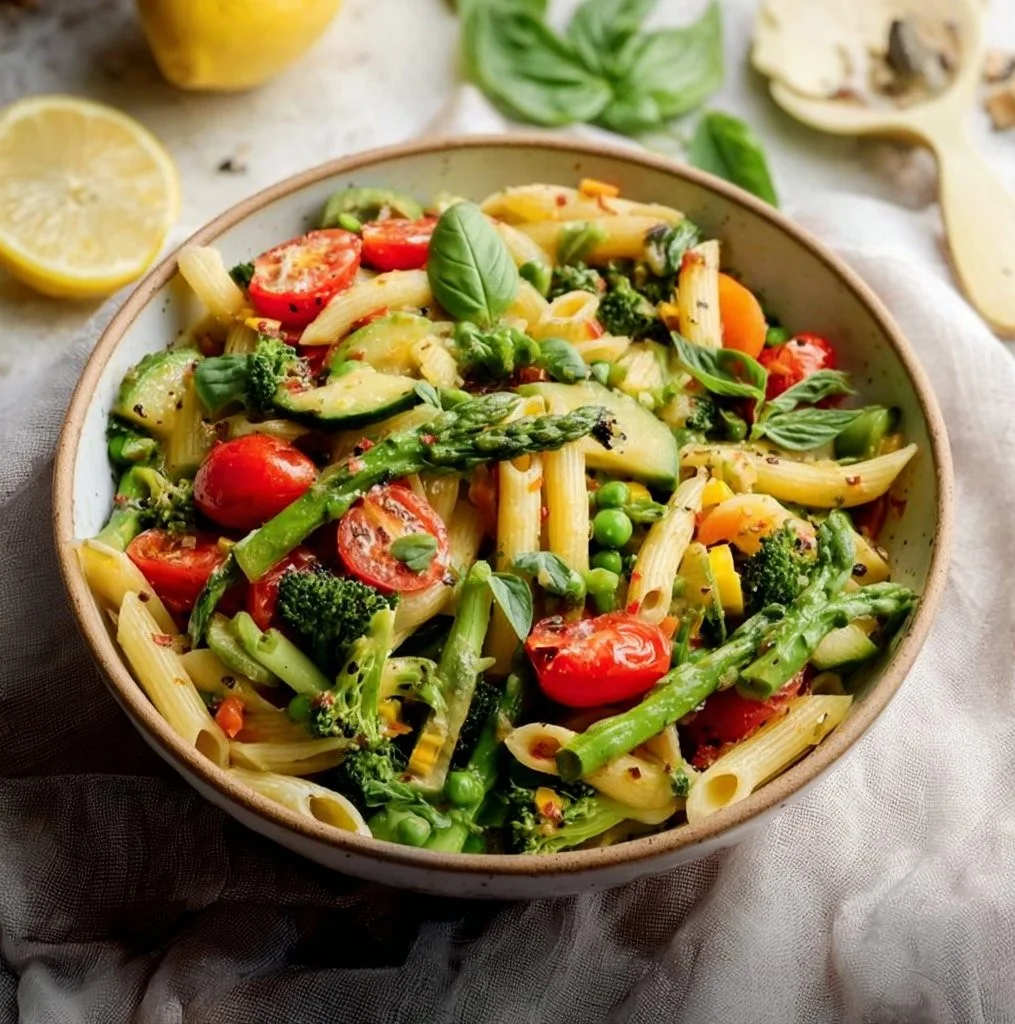
This Pasta Primavera recipe stars penne pasta and a colorful mix of fresh spring vegetables—think asparagus, bell pepper, and broccoli—brightened by lemon and a silky cream sauce. It’s a great way to get a serving of veggies into a comforting pasta bowl, and the lemon-parmesan sauce keeps it feeling light rather than heavy. Ideal for home cooks and beginners, the recipe is built around a few simple steps and forgiving techniques so you can focus on timing rather than juggling complicated tasks. Keep reading for helpful tips, easy swaps, and step-by-step guidance so this becomes your go-to weeknight winner.
Ingredients You’ll Need for Pasta Primavera Recipe
Essentials
- 16 oz penne pasta
- 1 tablespoon olive oil
- 8 oz asparagus, trimmed and cut into 1½-inch pieces
- 1 yellow bell pepper, cut into 1½-inch pieces
- 2 cups small broccoli florets
- 1 small zucchini, chopped
- Salt and black pepper, to taste
- 2 tablespoons unsalted butter
- 1 shallot, minced
- 4 garlic cloves, minced
- Zest of 1 lemon
- Dash crushed red pepper flakes (optional)
- 1 cup vegetable broth
- 1/2 cup heavy cream
- 3 tablespoons lemon juice, divided
- 1 cup frozen peas
- 1/2 cup shredded Parmesan cheese
- 1½ cups halved grape tomatoes
- 1/4 cup chopped basil
- 2 tablespoons Italian parsley, for garnish
- Extra Parmesan cheese and crushed red pepper flakes, for garnish (optional)
These are the items you’ll want on hand before you start. I like to measure the sauce ingredients and prep the vegetables so everything moves quickly on the stove.
Optional add-ons
- Grilled chicken or chickpeas for added protein (if you want a heartier main)
- Red onion instead of shallot for a sharper bite
- A splash of white cooking wine (optional — I usually skip it) — you can leave it out without changing the core profile
- A handful of baby spinach stirred in at the end for extra greens
- Toasted pine nuts or walnuts for crunch on top
These extras let you tailor the dish to what’s in your fridge and the flavor profile you prefer.
Substitutions and shortcuts
- Pasta: Any short pasta like fusilli, rigatoni, or farfalle works in place of penne.
- Butter and cream: For a lighter version, swap heavy cream for half-and-half or use a plant-based cream for a dairy-free twist; reduce the butter to 1 tablespoon and add a splash of olive oil.
- Parmesan: Pecorino Romano is a saltier alternative. Nutritional yeast can stand in for a dairy-free option.
- Vegetables: Use whatever is in season — green beans, snap peas, or even thinly sliced carrots work great. If you’re short on fresh produce, frozen broccoli or mixed vegetables are fine; just be mindful of extra water content.
- Time-savers: Buy pre-cut veggies or use a frozen veggie medley to cut prep time in half. If you prefer, use store-bought roasted vegetables and heat them briefly before combining.
If you’re curious about other lemony pasta ideas that pair well with these flavors, try my take on a bright zesty lemon ricotta and spinach pasta for inspiration.
How to Make Pasta Primavera Recipe Step-by-Step
I like to think of this recipe as five simple stages: cook the pasta, sauté the vegetables, make the lemon cream sauce, combine everything, and finish with herbs and cheese. Below I walk through each step slowly so you can follow along with confidence.
Step 1 — Prepare the pasta
- Bring a large pot of salted water to a rolling boil. Use about 1 tablespoon of salt per 4 quarts of water for properly seasoned pasta.
- Add 16 ounces of penne and cook according to the package directions, usually 9–11 minutes for al dente. Stir occasionally to prevent sticking.
- Taste a piece a minute or two before the lower end of the package time to ensure you get your preferred texture—pasta always continues to soften slightly when mixed with warm sauce.
- When the penne is done, reserve 1/2 cup of the pasta cooking water (this starchy water helps loosen the sauce if needed), then drain the pasta and return it to the pot off the heat. Keeping the pasta in the warm pot helps it stay hot while you finish the sauce.
Tip: Don’t rinse the pasta; the starch on its surface helps the sauce cling better.
Step 2 — Sauté the vegetables
- Heat 1 tablespoon olive oil in a large skillet over medium-high heat until shimmering.
- Add the asparagus, bell pepper, and broccoli to the pan. Arrange them in a single layer as much as possible so they get a quick sear. Cook for 2–3 minutes, stirring once or twice—you’re aiming for bright color and just-tender texture.
- Add the chopped zucchini and cook for an additional 1–2 minutes. Zucchini has lots of water and cooks quickly, so it goes in later.
- Season the vegetables lightly with salt and freshly cracked black pepper. Transfer the vegetables to a plate or bowl to keep them hot while you make the sauce.
Tip: If your skillet looks crowded, cook the veggies in two batches. Crowding causes steaming and results in soft, bland vegetables.
Step 3 — Make the lemon cream sauce
- In the same skillet used for the vegetables, lower the heat to medium and melt 2 tablespoons unsalted butter. The fond (little browned bits) left in the pan will add flavor to the sauce.
- Add the minced shallot and sauté for about 2 minutes until softened and fragrant, but not browned. Stir in 4 minced garlic cloves and cook another 30–60 seconds until fragrant.
- Stir in the zest of 1 lemon and a dash of crushed red pepper flakes if you like a little heat.
- Pour in 1 cup vegetable broth and increase the heat to bring it to a gentle simmer. Let it reduce by about half—this concentrates the flavor and keeps the sauce from being too thin.
- Reduce the heat to low, stir in 1/2 cup heavy cream and 2 tablespoons lemon juice, and simmer 1–2 minutes to warm through and thicken slightly. Taste and add more salt, pepper, or a pinch of sugar if the lemon tastes too sharp.
Tip: If the sauce seems too thin after you add the pasta, stir in a splash of reserved pasta water a little at a time until it coats the back of a spoon.
Step 4 — Combine pasta, vegetables, and sauce
- To the warm pot with drained penne, add 1 cup frozen peas—the heat from the pasta will thaw them quickly and keep them bright.
- Add the sautéed vegetables back into the pot and toss gently to combine.
- Pour the lemon cream sauce over the pasta and veggies, then stir until everything is evenly coated. If needed, add a couple of tablespoons of the reserved pasta water to loosen the sauce so it clings nicely.
- Stir in 1/2 cup shredded Parmesan cheese and the remaining 1 tablespoon lemon juice. Taste and adjust seasoning with more salt, pepper, or lemon juice if you want it brighter.
- Fold in 1½ cups halved grape tomatoes and 1/4 cup chopped basil—these add freshness and a pop of color just before serving.
Tip: Keep stirring gently but confidently; overworking the pasta can crush the tomatoes and make the texture mushy.
Step 5 — Finish and serve
- Transfer the Pasta Primavera to a large serving bowl. Sprinkle 2 tablespoons chopped Italian parsley and extra Parmesan on top.
- Offer crushed red pepper flakes at the table for anyone who wants an extra kick.
- Serve warm and enjoy immediately—the cream sauce is at its creamiest just after tossing.
Printer-friendly reminder: If you want to prepare parts in advance, you can chop the vegetables and measure the sauce ingredients earlier in the day. Cook and combine right before serving for best texture.
Common Mistakes to Avoid
Even simple recipes have a few traps that can make the final dish less than perfect. Here are the common pitfalls I see—and how I fix them when I make this dish at home.
Mistake 1: Overcooking the vegetables
If you cook the vegetables until they’re soft and floppy, you lose that fresh-spring snap that makes primavera so delicious. Keep the heat high enough to sear and color them quickly, and remove them from the pan while they’re still slightly firm; they’ll finish cooking when mixed with the hot pasta.
Mistake 2: Making the sauce too thin or too thick
A sauce that’s watery won’t cling to the pasta, and a sauce that’s too thick can become gluey. Reduce the vegetable broth by half before adding cream, and use reserved pasta water to thin the sauce slowly. If it’s thick, add small amounts of pasta water until you reach a silky consistency.
Mistake 3: Not balancing the lemon and salt
The lemon is key to brightening the dish, but too much acidity without enough salt and fat can feel harsh. Taste as you go—after adding lemon, add a little salt and Parmesan to round the flavors. A tiny pinch of sugar can also calm an overly tart sauce.
Serving Suggestions for Pasta Primavera Recipe
This pasta is lovely on its own, but a few thoughtful pairings turn it into a memorable meal—whether you need a casual weeknight dinner or something to bring to a potluck.
For a light, fresh meal
Pair the pasta with a simple arugula salad tossed in olive oil, lemon, and a sprinkle of shaved Parmesan. The peppery greens complement the bright lemon in the sauce.
For a heartier dinner
Add grilled chicken breast, pan-seared salmon, or roasted chickpeas on the side for extra protein. The pasta itself is filling, but a protein makes it a well-rounded meal.
For a cozy dinner party
Serve with crusty bread to soak up every last bit of sauce and a bowl of marinated olives or roasted red peppers as an appetizer. Dim the lights, pour sparkling water with lemon slices, and let everyone dig in family-style.
Conclusion
This Pasta Primavera recipe is easier than it looks—just a few straightforward steps and a little timing, and you’ll have a bowl of bright, cozy comfort on the table. I love how customizable it is: swap veggies, add protein, or lighten the cream for a different mood any night of the week. If you want to explore other takes on this style of pasta, I’ve found inspiration in Love and Lemons’ Pasta Primavera, which leans into lots of fresh herbs and seasonal vegetables, and in RecipeTin Eats’ version for another home-cook-friendly approach. Try the recipe this week and let me know what vegetable swap you loved most—I’m always excited to hear how you make it your own.
FAQs About Pasta Primavera Recipe
Q1: Can I make the Pasta Primavera Recipe ahead of time?
A1: Yes, you can prepare the vegetables and sauce ahead, but I recommend cooking the pasta and finishing everything just before serving. If you must assemble early, keep the sauce separate and reheat gently on the stove, then toss with freshly cooked pasta to preserve texture.
Q2: Is this Pasta Primavera Recipe suitable for vegetarians?
A2: Absolutely. The version here is vegetarian-friendly as written—using vegetable broth and no meat. For vegans, swap the cream and butter for plant-based alternatives and use nutritional yeast instead of Parmesan.
Q3: How can I make the Pasta Primavera Recipe lighter?
A3: To lighten it, use half-and-half or a plant-based cream in place of heavy cream, reduce the butter to 1 tablespoon, and add extra lemon and herbs for flavor. You can also increase the ratio of vegetables to pasta to make it more veggie-forward.
Q4: Can I freeze leftovers of this Pasta Primavera Recipe?
A4: I don’t recommend freezing the finished pasta with cream sauce—dairy can separate and become grainy. Instead, freeze the cooked vegetables or sauce separately without cream, or store the leftovers in the fridge for 2–3 days and reheat gently with a splash of broth.
Q5: What’s the best way to reheat the Pasta Primavera Recipe without drying it out?
A5: Reheat on the stove over low heat with a splash of vegetable broth or a little reserved pasta water. Stir gently until warmed through. Microwaving can work, but do it in short bursts with occasional stirring to prevent drying and to keep the sauce smooth.
I hope this cozy, easy Pasta Primavera recipe becomes one of your kitchen favorites—it’s one of mine when I want bright, nourishing comfort without the fuss.
Print
Pasta Primavera
- Total Time: 45 minutes
- Yield: 4 servings 1x
- Diet: Vegetarian
Description
A simple and forgiving Pasta Primavera recipe featuring penne pasta and fresh spring vegetables, dressed in a bright lemon-parmesan cream sauce.
Ingredients
- 16 oz penne pasta
- 1 tablespoon olive oil
- 8 oz asparagus, trimmed and cut into 1½-inch pieces
- 1 yellow bell pepper, cut into 1½-inch pieces
- 2 cups small broccoli florets
- 1 small zucchini, chopped
- Salt and black pepper, to taste
- 2 tablespoons unsalted butter
- 1 shallot, minced
- 4 garlic cloves, minced
- Zest of 1 lemon
- Dash crushed red pepper flakes (optional)
- 1 cup vegetable broth
- ½ cup heavy cream
- 3 tablespoons lemon juice, divided
- 1 cup frozen peas
- ½ cup shredded Parmesan cheese
- 1½ cups halved grape tomatoes
- ¼ cup chopped basil
- 2 tablespoons Italian parsley, for garnish
- Extra Parmesan cheese and crushed red pepper flakes, for garnish (optional)
Instructions
- Bring a large pot of salted water to a rolling boil. Add the penne and cook according to the package directions, usually 9–11 minutes for al dente.
- Heat olive oil in a large skillet over medium-high heat until shimmering. Add asparagus, bell pepper, and broccoli, cooking for 2–3 minutes.
- Add zucchini to the skillet and cook for an additional 1–2 minutes. Season lightly with salt and pepper. Remove from heat.
- Melt 2 tablespoons of unsalted butter in the same skillet. Sauté shallots for about 2 minutes, then add garlic and cook for another 30–60 seconds.
- Pour in vegetable broth and bring to a gentle simmer, letting it reduce by half. Stir in heavy cream and lemon juice, simmering for 1–2 minutes.
- Combine cooked penne, sautéed vegetables, and lemon cream sauce in the pot. Stir in peas and Parmesan cheese, adjusting seasoning as needed.
- Transfer to a serving bowl and garnish with parsley, extra Parmesan, and crushed red pepper flakes if desired. Serve warm.
Notes
To lighten the recipe, use half-and-half instead of heavy cream and reduce butter. For a dairy-free option, swap cream for a plant-based alternative and Parmesan for nutritional yeast.
- Prep Time: 15 minutes
- Cook Time: 30 minutes
- Category: Main Course
- Method: Sautéing
- Cuisine: Italian
Nutrition
- Serving Size: 1 serving
- Calories: 350
- Sugar: 5g
- Sodium: 400mg
- Fat: 12g
- Saturated Fat: 4g
- Unsaturated Fat: 6g
- Trans Fat: 0g
- Carbohydrates: 45g
- Fiber: 3g
- Protein: 15g
- Cholesterol: 30mg
Keywords: Pasta, Primavera, Vegetarian, Lemon, Cream Sauce, Spring Vegetables