Last updated on June 14, 2026
A Cozy Start
Have you ever come home craving something warm and comforting that feels like a hug on a plate—maybe after a rainy day or when the tomatoes at the market look impossibly bright? I remember a night when I burned the garlic but saved the dinner by roasting a new head and tossing everything together; we laughed and called it “kitchen improv pasta.” If you’re a beginner, chopping and timing can feel like juggling plates, but this recipe is forgiving and slow-moving in the best way. I promise it’s easy, low-stress, and perfect for a weeknight when you want something that tastes like you took your time, even when you didn’t. If you adore roasted garlic, I sometimes pair this pasta with my roasted garlic brie recipe for a super cozy evening.
A Quick Look at This Roasted Tomato and Garlic Ricotta Pasta Recipe
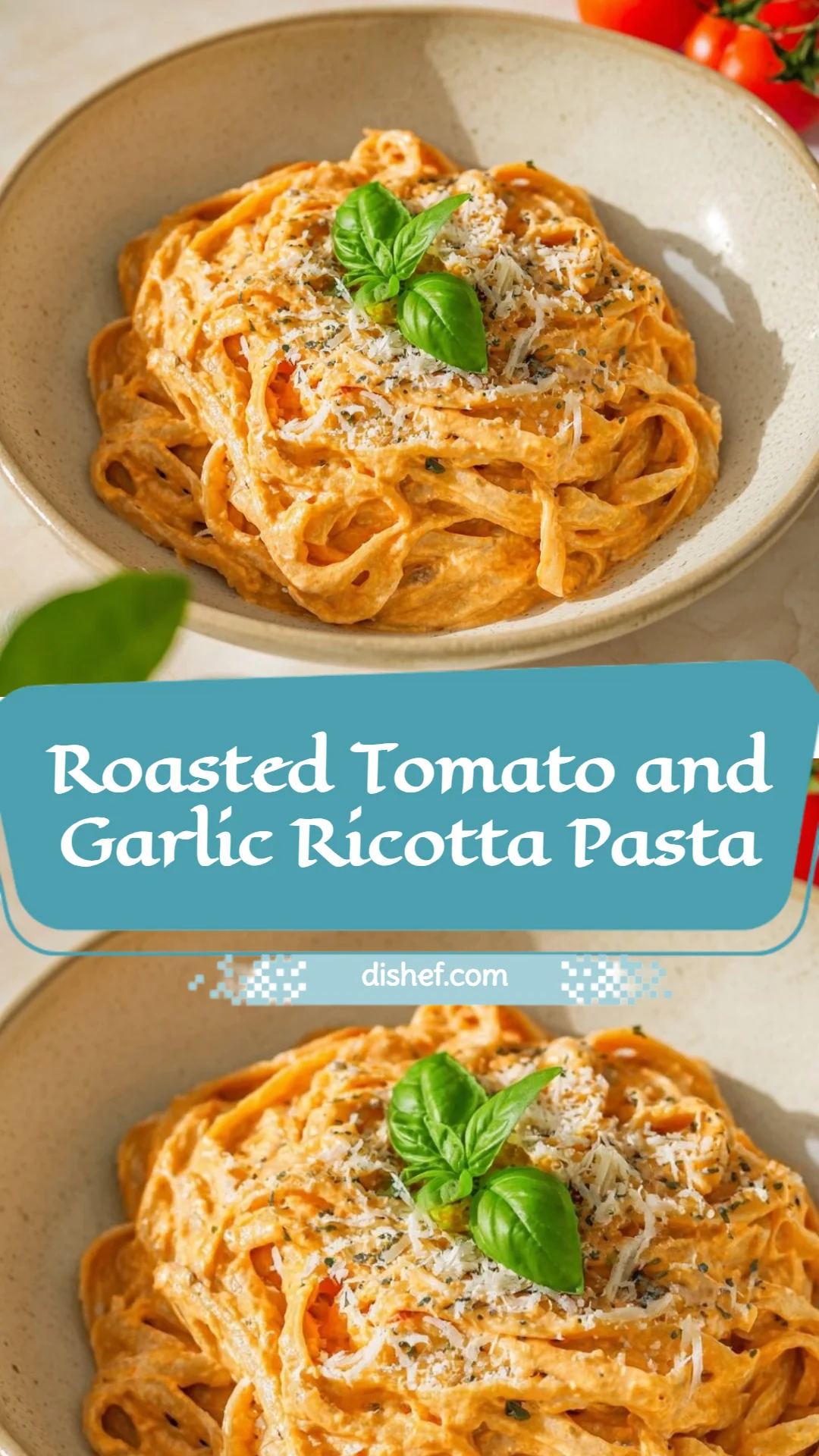
Roasted Tomato and Garlic Ricotta Pasta centers on two bright, simple stars: ripe vine tomatoes and soft ricotta, made soulful by roasted garlic. It’s a comforting, creamy dinner that’s both lighter than a heavy cream sauce and far more interesting than plain marinara. The recipe is fast to pull together, mostly hands-off while the tomatoes roast, making it ideal for beginners or busy home cooks. If you love easy weeknight meals that still feel special, keep scrolling — there are small tips that make a big difference in flavor and texture.
Ingredients You’ll Need for Roasted Tomato and Garlic Ricotta Pasta
Essentials
- 450 g (1 pound) ripe medium vine tomatoes, halved — choose tomatoes that smell sweet and feel heavy for their size.
- 1 small whole garlic head (or 4 large garlic cloves, unpeeled) — roasting mellows and sweetens the garlic into something buttery.
- 30 ml (2 tbsp) olive oil — good quality, extra virgin if possible.
- Salt and freshly ground black pepper, to taste — don’t be shy with seasoning; tomatoes need salt to sing.
- 225 g (8 oz) pasta — spaghetti, fettuccine, or another long noodle work beautifully; choose your favorite.
- About 240 ml (1 cup) reserved pasta cooking water — this starchy water helps loosen and emulsify the sauce.
- 120 g (1/2 cup) ricotta cheese — full-fat ricotta gives a creamier texture and richer flavor.
- Handful of fresh basil leaves — torn or roughly chopped for a fresh finish.
- Grated Parmesan cheese, for serving (optional) — a salty finishing touch if you like.
Optional add-ons
- Fresh basil leaves, for serving (optional) — more basil is always welcome.
- 1/2 tsp chili flakes (optional) — adds a gentle heat; use less if you don’t like spice.
- A squeeze of lemon juice (optional) — brightens the sauce just before serving.
- Toasted pine nuts or walnuts (optional) — for crunch and a toasty note.
- Drizzle of olive oil or pat of butter (optional) — for extra silkiness.
- Cracked black pepper flakes or smoked paprika (optional) — for a smoky finish if desired.
Substitutions and shortcuts
- Pasta: If you don’t have long noodles, short shapes like penne or rigatoni work fine — the sauce clings differently, but still delicious.
- Ricotta: Cottage cheese (blended smooth) or mascarpone can replace ricotta in a pinch. Mascarpone makes it richer; blended cottage cheese keeps it lighter.
- Garlic: If you’re in a hurry, use 1–2 teaspoons of jarred roasted garlic or roasted garlic paste, but fresh roasted garlic has the best flavor.
- Tomatoes: If tomatoes aren’t in season, you can use good-quality canned whole peeled tomatoes, drained and roasted briefly, but fresh ripe tomatoes really make this dish sing.
- Blender: No blender? Mash roasted tomatoes and garlic with a potato masher and whisk in ricotta and pasta water for a chunkier, rustic sauce.
- Quick roast: If you’re pressed for time, increase oven temperature to 220°C (425°F) and roast for 15–20 minutes, watching carefully so tomatoes blister but don’t char completely.
How to Make Roasted Tomato and Garlic Ricotta Pasta Step-by-Step
I like to think of this recipe in three relaxed stages: roast, boil, blend — then finish. Here’s a friendly, kitchen-tested step-by-step that helps even nervous cooks feel confident.
Prep the oven and tomatoes
- Preheat your oven to 200°C (400°F). Line a baking tray with parchment or a thin layer of oil so nothing sticks.
- Wash the vine tomatoes and halve them lengthwise. If any are very large, quarter them so they roast evenly.
- Slice the top off the garlic head to expose the tips of the cloves. If using individual large cloves unpeeled, leave the skins on; they’ll push right out when roasted.
Oil and season for roasting
- Arrange the tomato halves, cut side up, on the tray so they aren’t crowded — give them a little breathing room so they blister rather than steam.
- Place the garlic head (cut side up) on the tray beside the tomatoes.
- Drizzle everything with the olive oil, making sure garlic gets a little oil on the exposed cloves. Sprinkle with a generous pinch of salt and some freshly ground black pepper.
Roast until tender and fragrant
- Slide the tray into the oven and roast for about 30 minutes. You’re aiming for blistered, slightly collapsed tomatoes and soft, golden garlic that smells sweet and nutty.
- If the tomatoes begin to char too quickly on top, tent the tray loosely with foil for the last 5–10 minutes.
While the tomatoes roast: cook the pasta
- Fill a large pot with water and bring it to a rolling boil. Salt the water well — it should taste like the sea. This is your primary seasoning for the pasta itself.
- Cook the pasta according to package directions until just al dente — firm to the bite because it will finish cooking in the sauce a little.
- Before draining, scoop out about 240 ml (1 cup) of the pasta cooking water and set it aside. Drain the pasta and keep it in the colander while you finish the sauce.
Make the creamy sauce
- When the tomatoes and garlic are ready, let them cool a minute so you can handle the garlic. Squeeze the garlic cloves from their skins into a blender or food processor.
- Add the roasted tomatoes (a slotted spoon helps reduce excess oven oil), a handful of fresh basil leaves, the ricotta, and the optional chili flakes if you like heat.
- Pulse or blend until smooth. The mixture should be creamy yet loose enough to coat pasta; add reserved pasta water a little at a time until you reach a silky consistency.
Tip: If you don’t have a blender, mash the tomatoes and garlic in a bowl with a fork or potato masher, then whisk in ricotta and pasta water until combined. It’ll be chunkier but still delicious.
Finish the pasta in a skillet
- Heat a large skillet over medium-low heat. Pour the blended sauce into the skillet and warm gently — you don’t want it boiling, just hot enough to loosen and meld flavors.
- Add the drained pasta to the skillet. Toss or use tongs to combine, adding more reserved pasta water a tablespoon at a time if the sauce is too thick. The starch in the water helps the sauce cling to the noodles and creates an almost-emulsion.
- Tear in a few more basil leaves and season to taste. If it needs brightness, squeeze in a little lemon juice; if it needs richness, a small pat of butter or extra drizzle of olive oil will do the trick.
Plate and serve
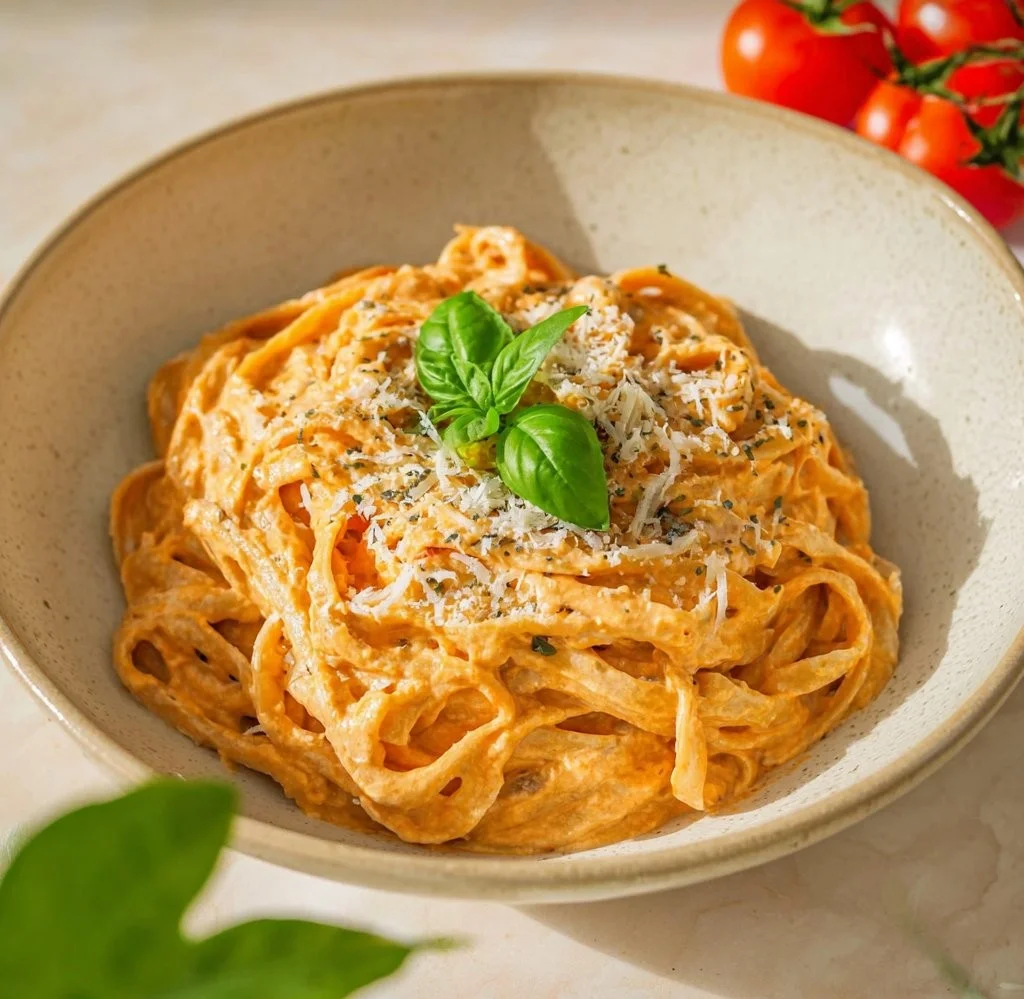
- Divide the pasta among bowls. Grate Parmesan on top if you like and scatter fresh basil.
- For texture, sprinkle toasted pine nuts or walnuts and crack more black pepper. A pinch of smoked paprika gives a nice smoky edge if you’re feeling adventurous.
If you love ricotta in pasta, you might also enjoy the bright contrast of my zesty lemon ricotta and spinach pasta — it’s a great variation for spring or when you want something lemon-bright instead of roasted.
A few practical tips as you work:
- Taste as you go. Because tomatoes and ricotta can vary in saltiness and acidity, adjust seasoning gradually.
- Keep some extra olive oil on hand — a final drizzle elevates the dish both in look and flavor.
- If your sauce separates slightly, add a splash more warm pasta water and whisk over low heat until smooth again.
Common Mistakes to Avoid
Even simple recipes can go sideways if you miss a small step. I’ve learned the hard way so you don’t have to.
When you’re learning a new sauce technique, a little guidance goes a long way. Here are three common mistakes I see at the stove and how to correct them quickly.
Mistake 1: Over-roasting the tomatoes until they’re dry
Tomatoes should blister and collapse slightly, but not turn into dried tomato leather. Over-roasting removes too much moisture and concentrates flavors into something almost jammy, which can throw off the balance with ricotta. If your tomatoes look shriveled, roast for less time next round or reduce oven temperature a bit.
Mistake 2: Not reserving enough pasta water
That cup of pasta water is magic. The starch in it helps bind the sauce to the pasta and smooth out ricotta. If you don’t save enough, the sauce can become too thick or claggy. Always scoop out the water before you drain the pasta — you can start with 1/2 cup in the sauce and add more if needed.
Mistake 3: Adding ricotta to high heat
Ricotta can break or become grainy if you expose it to high, sustained heat. Blend the ricotta into the warm roasted-tomato mixture off the heat or on very low heat and finish by tossing the pasta briefly in the warmed sauce. Low and slow keeps the texture silky.
Serving Suggestions for Roasted Tomato and Garlic Ricotta Pasta
This pasta feels like a cozy centerpiece but plays well with simple sides and small extras. It’s flexible: you can keep it pure and vegetarian or add a crunchy element to finish.
I prefer light accompaniments that don’t compete with the creamy, tomato-baked flavors. Here are three of my favorites.
Light green salad with lemon vinaigrette
A crisp salad cuts the creaminess and refreshes the palate. Toss mixed greens, thinly sliced red onion, and cucumber with a simple vinaigrette made from lemon juice, olive oil, salt, and a touch of honey.
Toasted bread and roasted vegetables
Warm, crusty bread is for mopping up leftover sauce, and a tray of roasted seasonal vegetables (like asparagus or zucchini) complements the tomato-roasted notes. Brush the bread with olive oil and toast until golden.
Simple protein additions
If you want to add a protein, grilled chicken breast or seared mushrooms are great. For a vegetarian protein boost, top with a handful of toasted walnuts or a scoop of white beans. Keep flavors mild so the roasted tomato and ricotta remain the star.
Conclusion
This Roasted Tomato and Garlic Ricotta Pasta truly is easier than it looks: roast, blend, toss. I love how forgiving it is — whether you’re a kitchen novice or someone who cooks every night, it’s adaptable and kind. You can keep it simple, dress it up with nuts or extra herbs, or use richer ricotta for a more indulgent finish. If you want a recipe with a crispy-prosciutto twist to compare techniques or inspiration, check out this Creamy Roasted Tomato Ricotta Pasta with Crispy Prosciutto, and for another take on roasted tomato and ricotta combinations, this Roasted Tomato & Ricotta Pasta | Italian Food Forever is a lovely read. Try the recipe tonight and leave a note about what you added — I love hearing how home cooks make it their own.
FAQs About Roasted Tomato and Garlic Ricotta Pasta
Q1: Can I make Roasted Tomato and Garlic Ricotta Pasta ahead of time?
A1: Yes. You can roast the tomatoes and garlic a day ahead, store them in the fridge, and blend the sauce just before serving. Cooked pasta is best tossed with the sauce right before serving, but if you must reheat, add a splash of reserved pasta water and warm gently to keep the sauce creamy.
Q2: Is Roasted Tomato and Garlic Ricotta Pasta suitable for vegetarians?
A2: Absolutely. The core recipe is vegetarian-friendly. Skip the Parmesan if you avoid animal rennet, or use a vegetarian hard cheese alternative to keep it fully vegetarian.
Q3: How do I store leftovers of Roasted Tomato and Garlic Ricotta Pasta?
A3: Store leftovers in an airtight container in the refrigerator for up to 3 days. Reheat gently in a skillet over low heat with a splash of water or milk to loosen the sauce and restore creaminess.
Q4: Can I freeze Roasted Tomato and Garlic Ricotta Pasta?
A4: I don’t recommend freezing the finished pasta because ricotta-based sauces can change texture after freezing. You can freeze the roasted tomatoes and garlic separately for up to 3 months; thaw and blend with fresh ricotta when you’re ready.
Q5: How can I make Roasted Tomato and Garlic Ricotta Pasta more kid-friendly?
A5: For picky eaters, blend the sauce extra smooth and skip the chili flakes. Use familiar pasta shapes like spaghetti or penne and top with a little grated Parmesan. Roasting the garlic sweetens it, so kids often find the flavor milder and more approachable.
Roasted Tomato and Garlic Ricotta Pasta
- Total Time: 55 minutes
- Yield: 4 servings 1x
- Diet: Vegetarian
Description
A comforting, creamy pasta dish made with roasted tomatoes and garlic, perfect for weeknight dinners.
Ingredients
- 450 g (1 lb) ripe medium vine tomatoes, halved
- 1 small whole garlic head (or 4 large garlic cloves, unpeeled)
- 30 ml (2 tbsp) olive oil
- Salt and freshly ground black pepper, to taste
- 225 g (8 oz) pasta (spaghetti, fettuccine, or your favorite long noodle)
- About 240 ml (1 cup) reserved pasta cooking water
- 120 g (1/2 cup) ricotta cheese
- Handful of fresh basil leaves, torn or roughly chopped
- Grated Parmesan cheese, for serving (optional)
Instructions
- Preheat your oven to 200°C (400°F). Line a baking tray with parchment or oil.
- Wash the vine tomatoes and halve them lengthwise.
- Slice the top off the garlic head to expose the cloves.
- Arrange the tomato halves cut side up on the tray, and place the garlic head beside them.
- Drizzle with olive oil, then sprinkle with salt and pepper.
- Roast for about 30 minutes until tender and fragrant.
- Fill a large pot with water, bring to a boil and salt it well.
- Cook the pasta according to package directions until just al dente. Reserve pasta water before draining.
- Squeeze roasted garlic cloves into a blender. Add roasted tomatoes, basil leaves, ricotta, and optional chili flakes.
- Pulse or blend until smooth, adding reserved pasta water until desired consistency.
- Heat a skillet over medium-low heat, pour in the sauce, and warm gently.
- Add the drained pasta to the skillet, tossing to combine and adding more pasta water if needed. Season to taste.
- Divide among bowls and top with grated Parmesan and additional basil.
Notes
This recipe is very adaptable; feel free to substitute ingredients like pasta types and cheeses.
- Prep Time: 15 minutes
- Cook Time: 40 minutes
- Category: Main Course
- Method: Baking
- Cuisine: Italian
Nutrition
- Serving Size: 1 serving
- Calories: 350
- Sugar: 6g
- Sodium: 300mg
- Fat: 12g
- Saturated Fat: 4g
- Unsaturated Fat: 8g
- Trans Fat: 0g
- Carbohydrates: 45g
- Fiber: 3g
- Protein: 14g
- Cholesterol: 30mg
Keywords: pasta, roasted tomatoes, garlic, ricotta, vegetarian