
Last updated on February 4, 2026
Morning Cravings Made Simple
One chilly Saturday I woke up craving pancakes but didn’t want the usual flip-and-fumble at the stove — I wanted something cozy, golden, and forgiving. If you’ve ever burned a batch while juggling coffee and a sleepy kid (or your own slow-moving self), you know the beginner challenge: perfect pancakes require attention, timing, and a steady hand. I promise this Sheet Pan Protein Pancakes recipe takes away the stress — mix in one bowl, pour into a pan, and let the oven do the work. If you like the idea of simple swaps and comfort-food that won’t derail a healthy day, you’ll love how this one pans out; it even reminded me of the fluffy cottage-cheese pancakes I once adapted from a different recipe I enjoy, like the cozy cottage cheese pancakes I make on lazy mornings.
A Quick Look at This Sheet Pan Protein Pancakes Recipe
These Sheet Pan Protein Pancakes are designed with balance in mind: the protein powder, eggs, and milk boost protein content for satiety and muscle support, while the whole wheat flour adds fiber to help steady blood sugar and keep you full longer. With a modest amount of maple syrup and wholesome ingredients like coconut oil and whole grains, this recipe is naturally wholesome and higher in protein than standard pancakes. It’s a great fit for meal prep — slice into portions for easy breakfasts or post-workout fuel — and it makes lighter comfort food without the time-sink of flipping individual pancakes. Overall, it’s an approachable, balanced option for health-conscious cooks who want something satisfying and simple.
Ingredients You’ll Need for Sheet Pan Protein Pancakes
I like to keep the ingredient list straightforward so you can shop easily and make smart swaps without fuss. Below I’ve expanded on the basics, suggested optional add-ons for flavor and texture, and listed substitutions and shortcuts if you’re adapting for allergies or pantry limits.
Essentials
- 1 cup all-purpose flour — provides structure and tenderness. If you want a slightly lighter crumb, use a well-sifted flour.
- 1 cup whole wheat flour — brings fiber and a slightly nutty flavor; balances the white flour for better nutrition.
- 1½ tablespoons baking powder — the leavening agent that helps the pancake rise into a sheet with a pleasant bounce.
- 1 scoop vanilla protein powder — a clean whey or plant-based vanilla protein to up the protein content and add a touch of sweetness; choose an unflavored or low-sugar option if concerned about added sweeteners.
- ¼ cup maple syrup — natural sweetener that blends smoothly into the batter; used sparingly so the pancakes aren’t overly sweet.
- 1¼ cups milk — dairy or plant-based; milk adds moisture and develops the batter’s texture.
- 2 large eggs — provide structure, richness, and protein.
- ¼ cup coconut oil — melted; lends moisture and subtle coconut flavor while keeping things dairy-free if desired.
Optional add-ons
- 1 cup fresh or frozen blueberries — I like them scattered over the top just before baking; they burst into little pockets of juice.
- ½ teaspoon cinnamon or 1 teaspoon vanilla extract — for extra warmth and aroma.
- 2 tablespoons chia or ground flaxseed — for omega-3s and extra fiber without changing texture much.
- ½ cup chopped nuts (walnuts, pecans, or almonds) — add crunch and healthy fats; sprinkle on top or mix into batter.
- ¼ cup Greek yogurt or cottage cheese dollops after baking — creamy topping with extra protein.
- A sprinkle of sea salt and a drizzle of nut butter when serving — small touches that boost flavor and satiety.
Substitutions and shortcuts
- Milk: swap with almond, oat, soy, or pea milk to make the recipe dairy-free; use the same volume.
- Whole wheat flour: replace with oat flour 1:1 for a gluten-free option only if you use certified gluten-free oats and omit the all-purpose flour or use a GF all-purpose blend.
- All-purpose flour: swap for more whole wheat flour for a denser, heartier loaf; or use a 1:1 gluten-free flour blend if needed.
- Protein powder: if you don’t have protein powder, you can increase eggs to 3 and add 2 tablespoons of extra milk for texture; keep in mind protein per serving will be lower.
- Coconut oil: use melted butter or neutral oil like avocado oil if preferred; both work fine for flavor.
- Maple syrup: sub with honey or a sugar substitute like a liquid monk fruit syrup; taste and adjust sweetness before baking.
- Quick shortcut: if you’re tight on time, mix dry ingredients in advance (in a sealed jar) and keep wet ingredients ready in the fridge; combine and bake when you’re ready.
How to Make Sheet Pan Protein Pancakes Step-by-Step
I love how this recipe turns a fiddly morning task into one tray you can forget in the oven without babysitting. Here’s how I walk through it for consistent results and maximum nutrient retention.
- Heat oven to 425°F (220°C).
- Preheating the oven is important; a hot oven helps the batter rise quickly and sets a pleasant crust without over-drying the interior.
- Mix dry ingredients: In a large bowl, stir together the all-purpose flour, whole wheat flour, baking powder, and protein powder.
- Sifting isn’t necessary, but whisking the dry ingredients helps distribute the baking powder evenly so the sheet rises uniformly.
- Combine wet ingredients: Add the maple syrup, milk, eggs, and melted coconut oil to the dry mix, and mix until just combined.
- Technique tip: don’t overmix. A few small lumps are fine. Overmixing develops gluten and can make the pancakes chewy. Stir until you can’t see dry flour anymore.
- Nutrient preservation: using whole milk or a fortified plant milk keeps the vitamin and mineral content richer; avoid boiling milk or overheating ingredients to preserve protein structure—just use room-temperature or slightly warm melted oil.
- Prepare the pan: Spray a 9 x 13 inch baking pan with oil, then rub it with a paper towel to ensure even coverage.
- I rub a thin layer of oil so the pancake pulls away cleanly and the edges get just enough color without extra oil pooling.
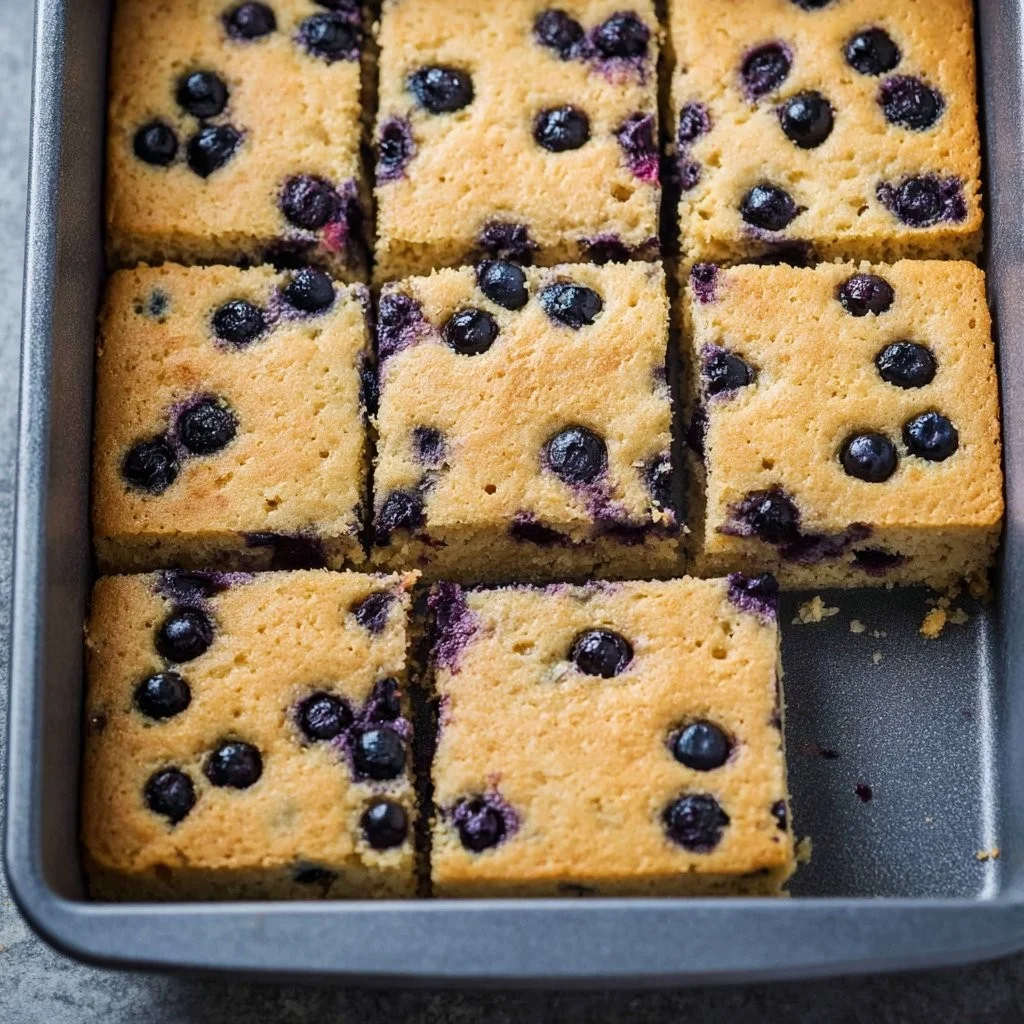
- Pour and top: Pour the batter into the prepared baking pan and, if you like, sprinkle blueberries or other toppings evenly over the surface.
- If using frozen berries, scatter them on top without thawing; they’ll release less dye into the batter and help create distinct berry pockets.
- Bake: Bake for 15–18 minutes, until a toothpick comes out of the center cleanly and the pancake springs back to the touch.
- Oven times vary. Start checking at 14 minutes if your oven runs hot. The spring-back test ensures a tender, not underbaked center.
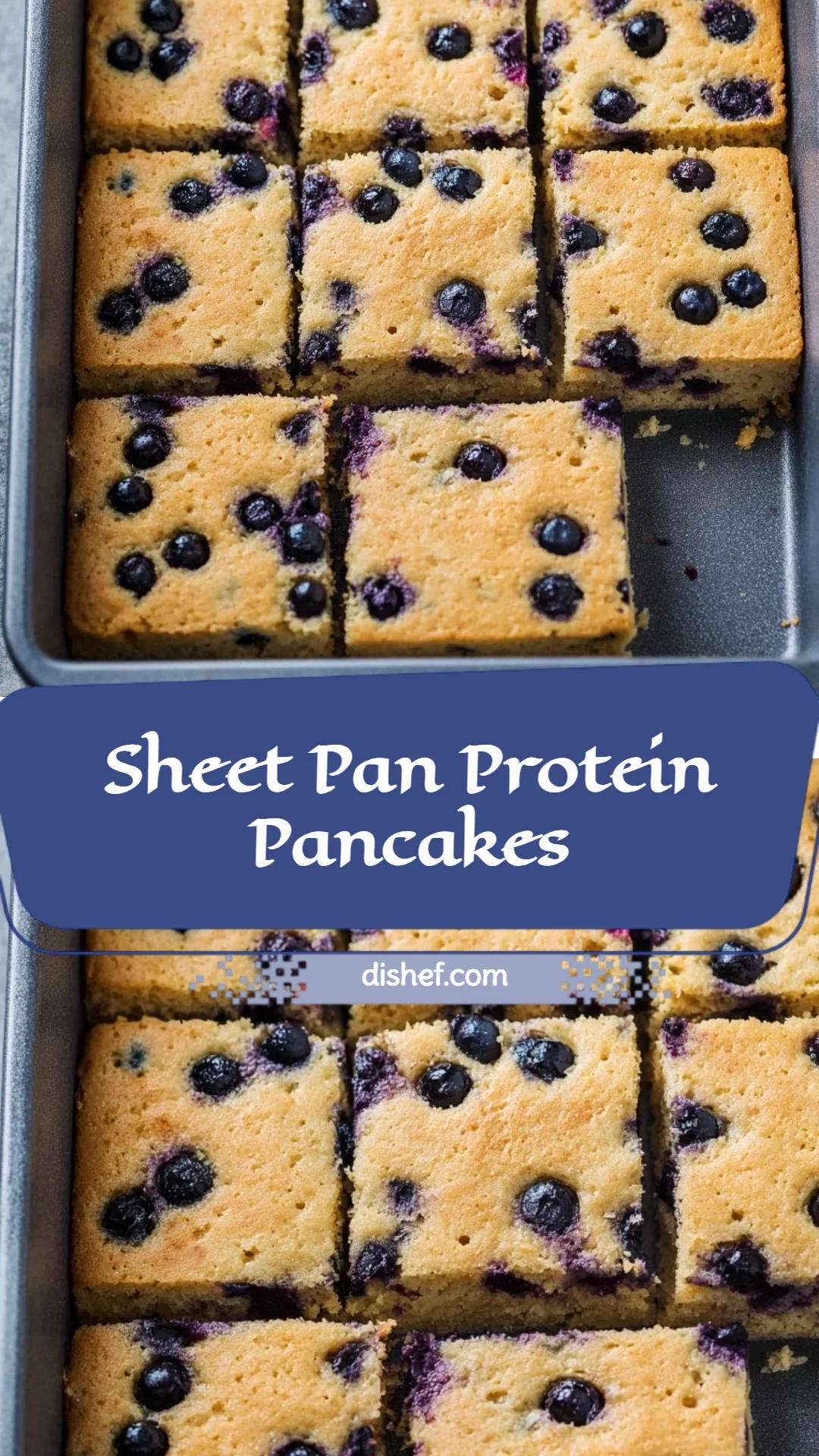
- Cool and slice: Allow to cool for 10–20 minutes, then slice into 8 portions.
- Cooling helps the sheet settle, so you get clean slices and the texture firms up slightly for better portioning.
Extra tips I use:
- For even baking, rotate the pan halfway through if your oven has hot spots.
- If you prefer a fluffier top, lower the oven to 400°F and bake a couple of minutes longer; the gentler heat lets the center set without over-browning.
- If you’re curious about other sheet-pan meal ideas, I sometimes pair this routine with savory sheet-pan dinners like a Hawaiian chicken sheet pan recipe to batch-cook an entire week of easy meals — same concept of one-pan convenience.
Common Mistakes to Avoid
Even simple recipes have a few traps that turn a cozy plan into a slightly sad breakfast. I’ve learned these the hard way and want to save you the trial-and-error.
Mistake 1: Overmixing the batter
Overmixing develops gluten in the flours, which can make the final sheet denser and chewier. Mix until the ingredients are just combined; a few small lumps are okay. Use a spatula and fold gently to keep the texture light.
Mistake 2: Skipping the cooling step
Slicing too soon will make the pancakes crumble and fall apart because the interior hasn’t set. Let it cool 10–20 minutes; you’ll get cleaner slices and a better mouthfeel.
Mistake 3: Using the wrong pan size or not greasing properly
Pouring this batter into a smaller or larger pan changes thickness and bake time. A 9 x 13 inch pan is ideal for the texture I describe. Also, insufficient greasing leads to sticking; rub the oil around with a paper towel for even coverage.
Serving Suggestions for Sheet Pan Protein Pancakes
I love serving these warm with simple, nutritious toppings that add flavor and balance without turning breakfast into a sugar bomb. Below are three easy approaches depending on your mood.
Start with one short paragraph:
Think of these pancakes as a blank canvas — you can keep them minimal with fresh fruit and a smear of nut butter, dress them up for a weekend brunch, or pack them as part of a portable breakfast for busy mornings.
Breakfast bowl upgrade
Slice a portion into a bowl, add a dollop of Greek yogurt, a handful of berries, and a sprinkle of chia seeds. This combo adds probiotics, extra protein, and omega-3s for a balanced, spoonable meal.
Brunch-style platter
For guests, serve slices with a little maple syrup on the side, warm mixed berries, and a small plate of toasted nuts. Lay out lemon zest and a dusting of cinnamon to bring an aromatic lift.
On-the-go options
Cut into portions and stack with parchment between slices in an airtight container. Pair one slice with a hard-boiled egg and an apple for an easy grab-and-go breakfast that balances carbs, protein, and healthy fats.
Conclusion
I make Sheet Pan Protein Pancakes when I want satisfying, straightforward mornings that don’t sacrifice nutrition. They fit easily into meal prep routines, are flexible for swaps (dairy-free, gluten-free, higher protein), and serve both as a cozy weekend treat and a practical weekday solution. If you want to see another take on sheet-pan pancakes and how others build theirs, I found a helpful variation at Sheet Pan Protein Pancakes – Sweet Peas and Saffron that inspired a few of my topping ideas. Try it this weekend — slice, stash, and enjoy warm breakfasts that actually make the week feel gentler.
FAQs About Sheet Pan Protein Pancakes
Q1: How do I store leftovers from Sheet Pan Protein Pancakes?
A1: Store cooled slices in an airtight container in the fridge for up to 4 days. For longer storage, freeze slices in a single layer on a tray, then transfer to a sealed bag for up to 2 months. Reheat in a toaster oven or microwave until warm.
Q2: Can I make Sheet Pan Protein Pancakes gluten-free?
A2: Yes — use a certified gluten-free 1:1 all-purpose flour blend in place of the wheat flours, or sub in oat flour plus a gluten-free binder like xanthan gum. Note texture may be slightly different, so check doneness early.
Q3: Are Sheet Pan Protein Pancakes suitable for meal prep?
A3: Absolutely. They’re designed for batch cooking: bake once, slice into portions, and refrigerate or freeze for quick breakfasts or post-workout snacks.
Q4: Can I swap the protein powder in Sheet Pan Protein Pancakes?
A4: You can substitute different protein powders (whey, pea, soy) but choose one with a neutral or vanilla flavor to keep the batter balanced. If omitting completely, add an extra egg and a little more milk to maintain texture.
Q5: How can I make Sheet Pan Protein Pancakes lower in sugar?
A5: Reduce the maple syrup by half or use a low-calorie liquid sweetener. Add cinnamon or vanilla for flavor depth so you won’t miss the extra sweetness. Fresh berries and a smear of nut butter can provide natural sweetness without added processed sugar.
Sheet Pan Protein Pancakes
- Total Time: 28 minutes
- Yield: 8 servings 1x
- Diet: Vegetarian
Description
A stress-free way to enjoy fluffy pancakes without the fuss of flipping. These sheet pan protein pancakes are packed with protein, fiber, and healthy ingredients, ideal for meal prep and satisfying breakfasts.
Ingredients
- 1 cup all-purpose flour
- 1 cup whole wheat flour
- 1½ tablespoons baking powder
- 1 scoop vanilla protein powder
- ¼ cup maple syrup
- 1¼ cups milk
- 2 large eggs
- ¼ cup coconut oil (melted)
- 1 cup fresh or frozen blueberries (optional)
- ½ teaspoon cinnamon or 1 teaspoon vanilla extract (optional)
- 2 tablespoons chia or ground flaxseed (optional)
- ½ cup chopped nuts (optional)
- ¼ cup Greek yogurt or cottage cheese (optional)
- Sea salt and nut butter for serving (optional)
Instructions
- Preheat oven to 425°F (220°C).
- In a large bowl, mix together the all-purpose flour, whole wheat flour, baking powder, and protein powder.
- In another bowl, combine the maple syrup, milk, eggs, and melted coconut oil.
- Pour the wet ingredients into the dry mix and stir until just combined, being careful not to overmix.
- Spray a 9 x 13 inch baking pan with oil and pour the batter into the pan.
- Optional: Sprinkle blueberries or other toppings over the surface.
- Bake for 15–18 minutes or until a toothpick inserted into the center comes out clean.
- Allow to cool for 10–20 minutes before slicing into 8 portions.
Notes
For optimal results, avoid overmixing and allow the pancakes to cool before slicing to maintain structure.
- Prep Time: 10 minutes
- Cook Time: 18 minutes
- Category: Breakfast
- Method: Baking
- Cuisine: American
Nutrition
- Serving Size: 1 serving
- Calories: 230
- Sugar: 5g
- Sodium: 150mg
- Fat: 8g
- Saturated Fat: 4g
- Unsaturated Fat: 4g
- Trans Fat: 0g
- Carbohydrates: 30g
- Fiber: 4g
- Protein: 10g
- Cholesterol: 70mg
Keywords: pancakes, meal prep, breakfast, healthy, protein, sheet pan