Last updated on December 29, 2025
I can still remember the first time I baked an egg pie—I was nervous, convinced a custard disaster awaited me, and I nearly talked myself out of even turning on the oven. Have you ever peeked through the oven window, chest tight, wondering whether that wobbly center would ever set? If that sounds like you, you’re in the right place. Many home cooks worry about custards curdling, crusts collapsing, or not knowing simple swaps when ingredients are missing. I’ll walk you through an easy, forgiving egg pie that practically makes its own crust and will teach you gentle techniques so you can bake with confidence—even if it’s your first time. If you like quick, homey desserts, you might also enjoy playful variations like these apple pie cookies for a small-batch treat.
Why I Love This Recipe of Egg Pie
There’s something comforting and old-fashioned about a plain egg pie. For me, it’s the kind of dessert my grandmother would bring to a family potluck—simple, sweet, and oddly sophisticated despite its humble ingredients. Here’s why this particular egg pie has become my go-to:
Beginner-friendly: The recipe calls for a handful of pantry staples—eggs, sugar, flour, milk, vanilla, and margarine—and asks for very little technique. You don’t need to blind-bake, roll a crust, or temper chocolate. It’s almost magical: mix, pour, and bake.
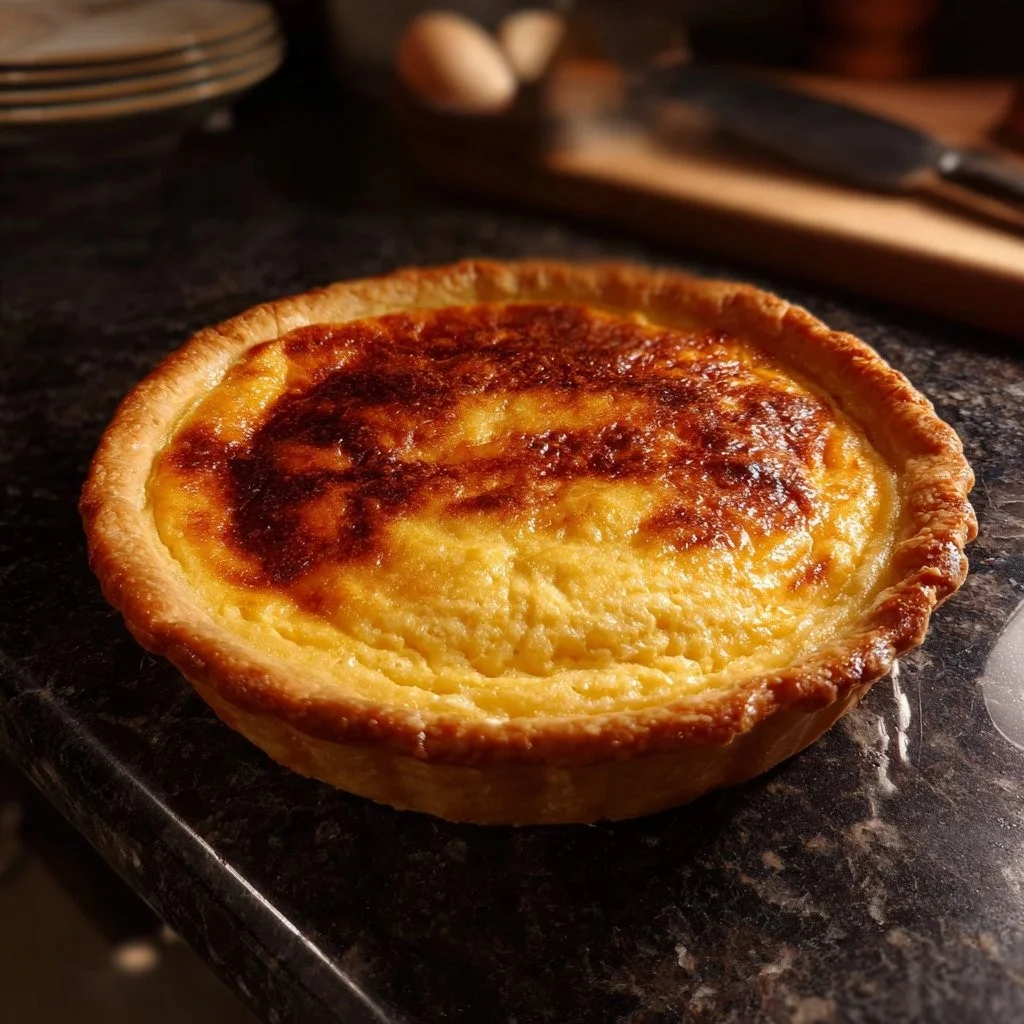
Forgiving texture: This pie “makes its own crust” as it bakes. The edges brown and set, while the center becomes a soft, custardy filling. Even if your oven runs a little hot or your bake time is slightly off, the pie usually recovers and tastes lovely.
Comfort food appeal: It’s smooth, sweet, and nostalgic. You can leave it plain or add textures and flavors—like coconut for a tropical twist or cocoa for a chocolate version—without complicating the method.
Economical and adaptable: This recipe uses simple, affordable ingredients and allows easy substitutions. It’s great for feeding a crowd, sending to a neighbor, or baking when the pantry is light.
If you’ve ever been intimidated by custard pies, this egg pie is a low-risk, high-reward place to start. And once you’re comfortable with it, you can explore small tweaks to make it your own.
Ingredients You’ll Need for Egg Pie
Here’s a clear breakdown of what you’ll need, why each ingredient matters, plus optional add-ons, substitutions, and helpful shortcuts.
Essentials (exact amounts)
- 4 large eggs — Eggs are the structure and body of the pie. They coagulate during baking and give the custard its creamy firmness. Use room temperature eggs for best results.
- 1 1/2 cups sugar — Sweetness and structure. Granulated white sugar dissolves into the milk and helps create a tender texture.
- 1/2 cup all-purpose flour — This thickens the custard slightly and helps the pie set. It’s also part of what forms the “self-crust” as the edges bake.
- 2 cups milk — Whole milk is best for richness; low-fat will work but the pie will be lighter and less tender. If using non-dairy milk, see substitutions below.
- 1 teaspoon vanilla extract — Adds warmth and aroma. Pure vanilla is lovely, but imitation works in a pinch.
- 1 stick margarine (1/2 cup) — Melted margarine adds fat and helps the pie develop that thin, crisp edge that becomes the crust.
- 1 cup shredded coconut (optional for Coconut Pie) — Stir into the batter for texture and coconut flavor.
- 1/4 cup unsweetened cocoa powder (optional for Chocolate Pie) — Add to make a chocolate version; fold it in with the flour or sift it with the sugar for even mixing.
Optional add-ons and flavor ideas
- Citrus zest (lemon or orange) — Brightens the custard if you want a fresher flavor.
- A pinch of salt — Elevates the sweetness and rounds flavors.
- Ground cinnamon or nutmeg — Adds warmth, especially in fall or winter.
- Toasted nuts (almonds, pecans, or walnuts) — Sprinkle on top before or after baking for crunch.
- 1 tablespoon melted butter instead of margarine — If you prefer butter’s flavor, you can use it; margarine keeps it dairy-free for those who want that option.
Substitutions and dietary notes
- Milk: For a lighter version, use 2% or skim, but expect less richness. For dairy-free, use full-fat canned coconut milk or a thicker plant-based milk (unsweetened almond or oat milk can work).
- Margarine: Swap for unsalted butter for better flavor. If using salted butter, omit any extra salt.
- Sugar: You can reduce the sugar slightly (to 1 1/4 cups) if you prefer less sweet. Brown sugar will add a caramel note but slightly darkens the color.
- Flour: If you need gluten-free, try 1:1 gluten-free flour blends. Expect slight texture differences.
- Eggs: No direct swap for eggs in this kind of custard—eggs are essential for structure. If you need an eggless dessert, consider a different recipe.
Shortcuts and time-savers
- Use pre-shredded coconut if you love the coconut version.
- Melt the margarine in a measuring cup in the microwave for easy measuring and pouring.
- Mix ingredients in a large bowl with a whisk—no mixer required.
- For quick cooling, set the pie plate on a wire rack and loosely tent with foil after it’s come out of the oven.
If you enjoy experimenting with impossible-style pies, check out this bright and tangy baby lemon impossible pies idea for inspiration—while this egg pie is simple, impossible pies use a similar “bake and separate” magic that’s fun to explore.
How to Make Egg Pie Step-by-Step
This is where we turn those simple ingredients into a cozy dessert. I’ll walk you through methodical steps and explain what to look for as the pie bakes.
Before you start
- Preheat your oven to 350°F (175°C). This is important—a well-heated oven ensures even baking and helps the pie form its crust.
- Choose a 9- or 10-inch pie plate. Glass or ceramic works well because it shows browning. If you use metal, watch the edges—they might brown a touch faster.
Step 1: Prepare the pie plate
- Lightly spray the pie plate with nonstick cooking spray or rub with a thin layer of butter or margarine. This helps the finished pie come out of the dish cleanly and encourages a tidy edge.
Step 2: Melt the margarine
- Measure the stick of margarine (1/2 cup) and melt it gently. You can do this in the microwave in 15–20 second bursts, stirring in between, or on the stovetop in a small saucepan. Let it cool slightly—warm is fine, but you don’t want it piping hot when it meets cooler eggs.
Step 3: Whisk the eggs and sugar
- Crack the 4 eggs into a large mixing bowl. Add the 1 1/2 cups sugar on top.
- Whisk vigorously until the mixture lightens in color and the sugar starts to dissolve—about 1–2 minutes. This incorporates air and helps a smooth texture.
Step 4: Add the dry ingredient(s)
- Sprinkle in the 1/2 cup flour. Whisk until there are no dry pockets. The batter will be slightly thick but pourable.
Step 5: Add milk, vanilla, and margarine
- Slowly pour in the 2 cups milk while whisking to keep the batter smooth. Add the 1 teaspoon vanilla. Then whisk in the melted margarine until fully incorporated. If making the chocolate version, whisk the 1/4 cup cocoa in with the flour or sugar before adding any liquid to prevent lumps.
Step 6: Add optional mix-ins
- If using coconut, stir the 1 cup shredded coconut into the batter. Coconut adds texture and a chewy contrast to the creamy custard.
- For any other add-ons (zest, spices), fold them in now.
Step 7: Pour into prepared pie plate
- Pour the batter into the sprayed 9- or 10-inch pie plate. The batter will fill the plate and settle. You don’t need to add a crust—the pie will form a thin crust along the edge as it bakes.
Step 8: Bake
- Place the pie plate in the preheated oven on the middle rack.
- Bake at 350°F for approximately 1 hour. Since ovens vary, start checking at about 50 minutes. The pie is done when:
- The edges are set and slightly puffed and browned.
- The center is mostly set but will have a slight jiggle—like a gentle wobble—not liquid.
- A toothpick inserted near the center might come out mostly clean or with a few moist crumbs (not wet batter).
Step 9: Cool and rest
- Remove the pie from the oven and place it on a wire rack.
- Let it cool at room temperature for at least 2 hours. During cooling the center finishes setting and the flavors meld. If you cut the pie too soon, the filling can be overly soft and messy.
Step 10: Chill (optional)
- For a firmer slice, refrigerate the pie for a few hours or overnight. Chilling makes slicing easier and gives a cleaner cut.
Step 11: Slice and serve
- Use a thin, sharp knife dipped in hot water and wiped dry between cuts for neat slices. Serve warm or chilled depending on your preference.
Common Mistakes to Avoid
Baking a custard-style egg pie is simple, but there are a few pitfalls beginners often run into. Here are three common mistakes and how to avoid them.
Overbaking until dry
One of the most common mistakes is leaving the pie in the oven too long. Because the edges can set and look done before the center finishes, it’s tempting to keep baking until everything is rock solid. The result? A dry, rubbery custard.
How to avoid it:
- Check for doneness around 50–55 minutes, not only when the edges look brown. The center should still have a slight jiggle.
- Use the toothpick or gentle jiggle test—if the center moves like soft gelatin, it’s done. It will continue to set as it cools.
- If the top browns too fast, tent with foil rather than increase the oven temperature or time.
Undermixing or leaving lumps
If flour or cocoa aren’t mixed well into the eggs and milk, you’ll end up with pockets of dry flour or cocoa lumps in the baked pie.
How to avoid it:
- Whisk the eggs and sugar until smooth before adding flour, then whisk again after adding flour until the batter is even.
- Sift cocoa or flour if you suspect clumps—or whisk them with the sugar first to distribute evenly.
- Scrape down the bowl once, and give a final whisk so everything is homogenous.
Using the wrong pan or temperature
Using a very shallow or very deep dish, or a pan that conducts heat too quickly without adjusting baking time, can cause uneven baking.
How to avoid it:
- Stick to a 9- or 10-inch pie plate for the proportions given. If you use a smaller plate, the filling will be deeper and may need longer baking; a larger plate will make it thinner and cook faster.
- Glass or ceramic pans are forgiving and show browning, while thin metal pans can brown edges quickly. If using metal, check earlier.
- Always preheat your oven; baking in a cold oven will affect how the custard sets.
Serving Suggestions for Egg Pie
This egg pie is a blank canvas. It can be everyday cozy or dressed up for a special occasion. Here are three serving ideas, each with tips for presentation and pairing.
Warm and simple
- How to serve: Let the pie cool for at least 30 minutes so it slices well, then serve slightly warm.
- What to pair with it: A scoop of vanilla ice cream or a dollop of whipped cream complements the custard’s sweetness and adds cool creaminess.
- Presentation tip: Dust with a little powdered sugar and a light sprinkle of cinnamon for warmth.
Fruity and bright
- How to serve: Serve chilled or at room temperature for a refreshing contrast to fruit.
- What to pair with it: Fresh berries, a berry compote, or sliced stone fruit (peaches, nectarines) add acidity that balances the sweet custard.
- Presentation tip: Arrange fruit around the cut slices on a serving plate and drizzle a little warm berry sauce for color.
Cozy and textured
- How to serve: Add textures for warmth—toast the coconut topping or scatter toasted nuts.
- What to pair with it: For coconut pie, pair with toasted coconut flakes and a light drizzle of sweetened condensed milk or a citrus curd on the side. For the chocolate version, serve with a dusting of cocoa and a few chocolate shavings.
- Presentation tip: Sprinkle toasted coconut or chopped nuts just before serving so they stay crisp.
Conclusion
You’ve learned how simple and forgiving this egg pie is: a handful of pantry staples, a few gentle steps, and about an hour in the oven creates a cozy custard with a self-formed crust. It’s easier than it looks, welcomes custom flavors, and is a great starting point for beginner bakers. I hope you’ll give this recipe a try, tweak it to your taste, and share how it turned out—photos and notes make my day and help other home cooks feel brave in the kitchen. For a historical and hearty take on pies that pair savory and eggy elements, see Raised Pork & Egg Pie from a respected baker’s collection for inspiration: Raised Pork & Egg Pie.
FAQs About Egg Pie
Q1: What is an Egg Pie?
A1: Egg Pie is a simple custard-style pie made from eggs, sugar, flour, milk, margarine, and vanilla that bakes into a creamy filling with a self-formed crust. It can be plain or flavored with coconut, cocoa, or spices.
Q2: Can I make an Egg Pie ahead of time?
A2: Yes. Egg Pie often tastes better the next day after it chills. Refrigerate for a few hours or overnight to let the filling fully set and flavors meld. Bring to room temperature or serve chilled, depending on preference.
Q3: How do I know when my Egg Pie is done?
A3: The edges should be set and slightly browned, while the center will have a slight jiggle—think soft gelatin. A toothpick inserted near the center should come out mostly clean or with moist crumbs, not wet batter. The pie continues to set as it cools.
Q4: Can I freeze Egg Pie?
A4: You can freeze Egg Pie, but texture may change slightly once thawed. Wrap tightly in plastic wrap and foil, and freeze up to 2 months. Thaw overnight in the refrigerator before serving, then warm slightly if you prefer.
Q5: Is Egg Pie suitable for dietary restrictions?
A5: The basic recipe contains eggs and dairy. You can make adjustments—use plant-based milk and margarine for a dairy-free version, but eggs are essential for structure; an eggless version would require a different custard base. For gluten-free, use a 1:1 gluten-free flour blend.

Easy Egg Pie
- Total Time: 75 minutes
- Yield: 6–8 servings 1x
- Diet: Vegetarian
Description
A comforting egg pie that is beginner-friendly and forgiving, with a creamy custard filling and a self-formed crust.
Ingredients
- 4 large eggs
- 1 1/2 cups sugar
- 1/2 cup all-purpose flour
- 2 cups milk
- 1 teaspoon vanilla extract
- 1 stick margarine (1/2 cup)
- 1 cup shredded coconut (optional for Coconut Pie)
- 1/4 cup unsweetened cocoa powder (optional for Chocolate Pie)
Instructions
- Preheat your oven to 350°F (175°C).
- Lightly spray a 9- or 10-inch pie plate with nonstick cooking spray.
- Melt the margarine and let it cool slightly.
- In a large mixing bowl, whisk together the eggs and sugar until lightened in color.
- Add the flour and whisk until there are no dry pockets.
- Slowly pour in the milk and vanilla, whisking to keep the batter smooth. Add the melted margarine and incorporate fully.
- If using, fold in shredded coconut or any other optional mix-ins.
- Pour the batter into the prepared pie plate.
- Bake for approximately 1 hour, checking for doneness around 50 minutes.
- Remove from the oven and cool at room temperature for at least 2 hours before serving.
Notes
This pie can be served warm or chilled. It benefits from chilling overnight to let the flavors meld and texture firm up.
- Prep Time: 15 minutes
- Cook Time: 60 minutes
- Category: Dessert
- Method: Baking
- Cuisine: American
Nutrition
- Serving Size: 1 slice
- Calories: 300
- Sugar: 30g
- Sodium: 150mg
- Fat: 15g
- Saturated Fat: 5g
- Unsaturated Fat: 8g
- Trans Fat: 0g
- Carbohydrates: 40g
- Fiber: 1g
- Protein: 6g
- Cholesterol: 150mg
Keywords: custard pie, egg pie, easy dessert, beginner baking